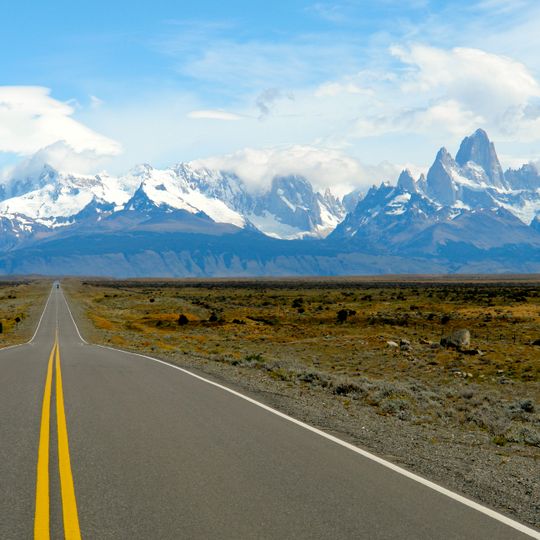
National Route 40, Major highway in Salta and Jujuy provinces, Argentina.
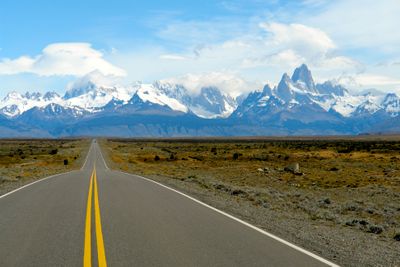
National Route 40 is a high-altitude highway running through the provinces of Salta and Jujuy, crossing several plateaus above 3,000 meters (9,800 feet). The route passes alongside ancient salt flats, barren valleys, and snow-capped peaks near the Chilean border.
Construction of this high-altitude route began in the 1940s to link remote mining communities with valley towns. Engineers blasted tunnel sections through rock walls and created one of the highest pass roads in South America.
The road connects remote villages in the Andean highlands where families still speak Quechua and Aymara. Along the route, vendors at rest stops sell local handicrafts, textiles, and dried llama meat.
Fuel stations are sparse between larger towns, so travel with a full tank and extra canisters. Altitude sickness can occur above 3,500 meters (11,500 feet), and weather conditions change rapidly, especially during winter months.
Some sections rise above 4,500 meters (14,800 feet) and rank among the highest drivable roads in the Western Hemisphere. Travelers often report sudden temperature drops of more than 20 degrees Celsius within a few hours, even during summer.
The community of curious travelers
AroundUs brings together thousands of curated places, local tips, and hidden gems, enriched daily by 90,795 contributors worldwide.