Huambo volcanic field, Volcanic field in southern Andes, Peru.
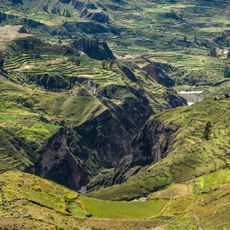
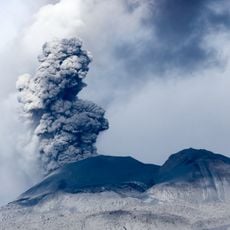
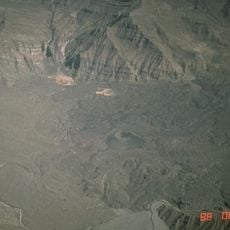
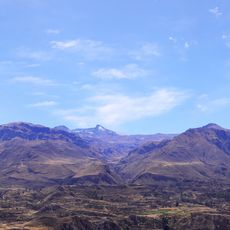
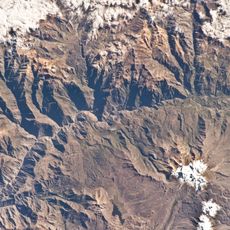
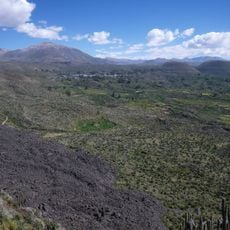
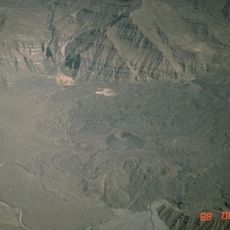
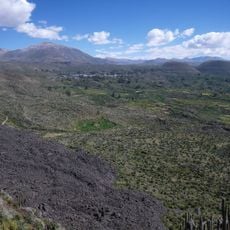
The Huambo volcanic field is a collection of cinder cones and extensive lava flows that spread across northern and southern sections at 4,000 meters (13,000 feet) elevation. The formation shows clear signs of volcanic activity with different deposit patterns visible in each area.
The northern section experienced major volcanic activity around 700 BCE, which formed Cerro Keyocc and left behind significant lava flow deposits. This eruption was part of a larger period of volcanism in the region that shaped the landscape we see today.
Local communities in the area cultivate potatoes and quinoa in soil enriched by volcanic minerals, taking advantage of its natural fertility. This farming practice is deeply tied to the rhythm of high-altitude life in the region.
The elevation of 4,000 meters (13,000 feet) requires physical preparation and proper gear to avoid altitude sickness. Plan travel from Arequipa, the nearest major city, which offers transportation options to reach the field.
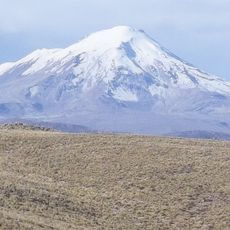
The southern section contains four separate volcanoes - Marbas Grande, Marbas, Marbas Chico I, and Marbas Chico II - clustered closely together in one area. This tight grouping is unusual and creates a distinctive geological feature that sets this part of the field apart.
The community of curious travelers
AroundUs brings together thousands of curated places, local tips, and hidden gems, enriched daily by 60,000 contributors worldwide.