Choquepuquio, Archaeological site in Lucre District, Peru
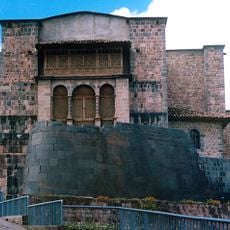
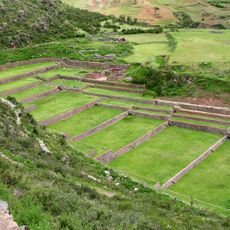
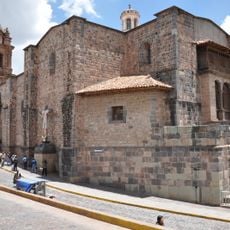
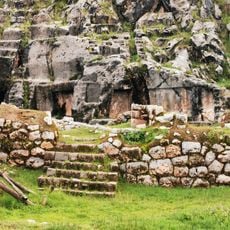
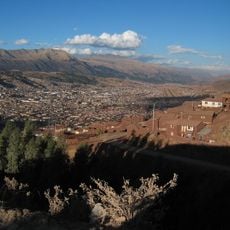
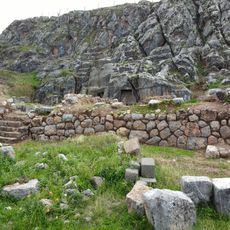
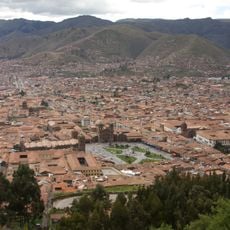
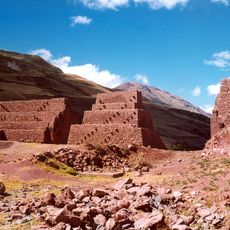
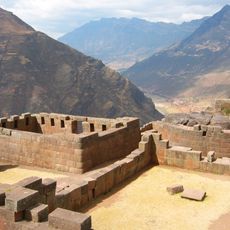
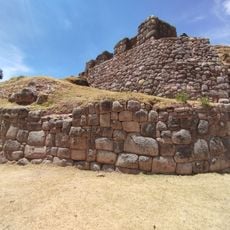
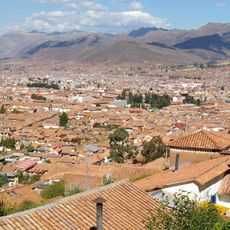
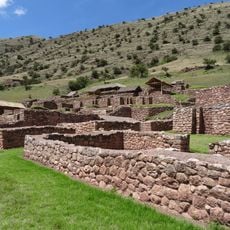
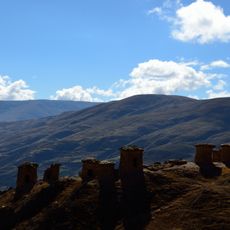
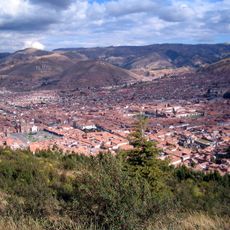
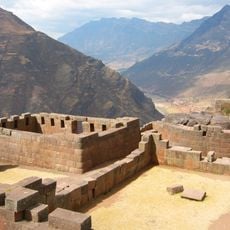
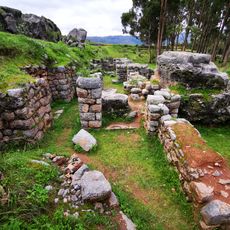
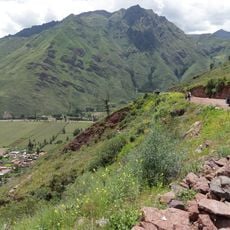
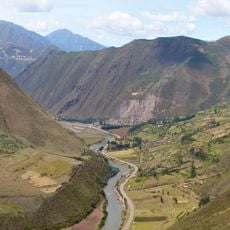
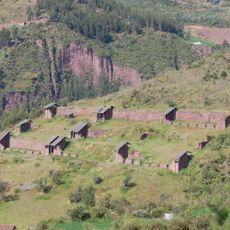
Choquepuquio is an archaeological site with extensive stone structures and terraces spread across the Cusco valley, showing the advanced building methods of ancient people. The ruins stretch across multiple levels and reveal layers of how the land was organized and used over time.
The settlement began around 400 CE as a center of the Wari people and was abandoned around 1530 CE during Spanish conquest. This marked the end of a culture that had lasted for more than 1000 years.
The name Choquepuquio comes from Quechua words related to metal and springs, showing how water sources shaped where people chose to live. You can still see this connection in how the ruins are positioned across the valley today.
The site is located near Huacarpay village and can be explored on foot, though sturdy shoes are recommended because of the uneven ground. The best time to visit is during the dry season when the paths are easier to walk.
The ruins show evidence of sophisticated water management and irrigation systems that reveal how the Wari people turned the mountain landscape into productive farmland. Some of these channels and structures are still partly visible today and demonstrate a deep understanding of local water flow.
The community of curious travelers
AroundUs brings together thousands of curated places, local tips, and hidden gems, enriched daily by 90,757 contributors worldwide.