Estadio Modelo Alberto Spencer Herrera, football stadium
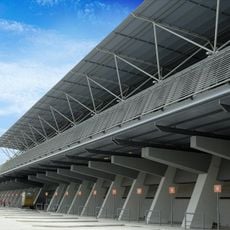
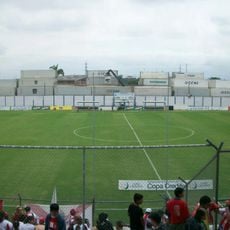
The Estadio Modelo Alberto Spencer Herrera is a multi-purpose stadium in northern Guayaquil, on Avenida de Las Américas, opened on 24 July 1959 with a capacity of 42,000. It has five seating sections: General Norte, General Sur, Preferencia, Tribuna and Palcos. A synthetic athletics track surrounds the football pitch, and the venue also hosts artistic shows.
Inaugurated on 24 July 1959 with a four-team friendly tournament featuring Barcelona and Emelec of Ecuador, Peñarol of Uruguay and Huracán of Argentina; Emelec won, beating Barcelona 6-1 in the first Clásico del Astillero at the ground. It hosted the 1959 South American Championship and the 1975 Copa América, and on 4 December 1960 staged its first World Cup qualifier, Ecuador losing 3-6 to Argentina. It remained the national team's home until February 1985, when the Federation moved fixtures to Quito's Estadio Olímpico Atahualpa. It was renamed for Alberto Spencer after his death in November 2006, on the proposal of Fedeguayas president José Luis Contreras.
The stadium is named after Alberto Spencer, one of South America's greatest goalscorers and a national hero of Ecuadorian soccer. On match days, fans from across the city gather to support their teams and share their passion for the sport together.
The stadium sits on Avenida de Las Américas in northern Guayaquil, nicknamed "El Coloso de la Avenida de Las Américas". It has five seating sections: General Norte, General Sur, Preferencia, Tribuna and Palcos, so check which one your ticket names before choosing an entrance. The running track separates the stands from the pitch.
The stadium's running track, installed in 2001, was made by the Italian firm Mondo; according to its technicians it was rated among the best tracks in Ecuador by the IAAF. In 1985 a Hungarian Electroimpex electronic scoreboard was also fitted.
The community of curious travelers
AroundUs brings together thousands of curated places, local tips, and hidden gems, enriched daily by 92,645 contributors worldwide.