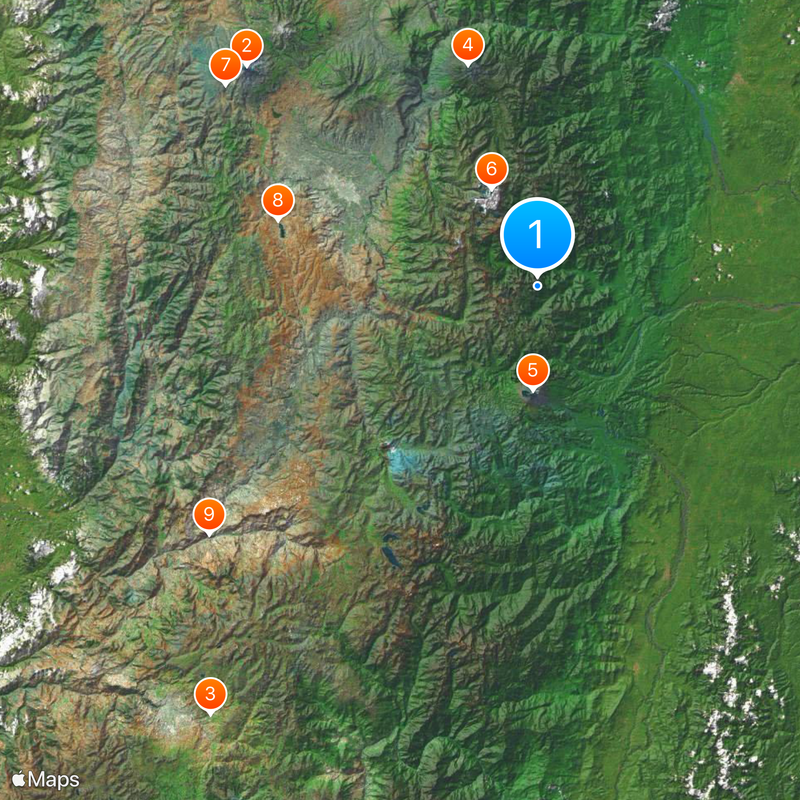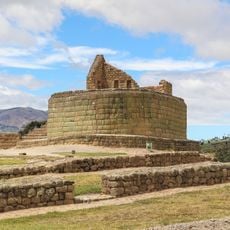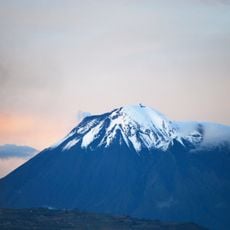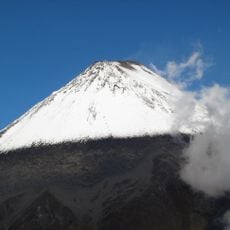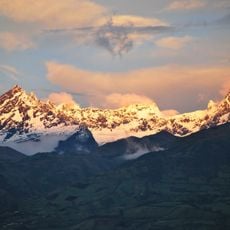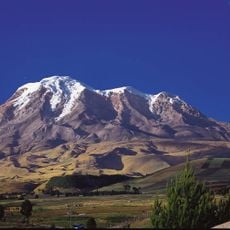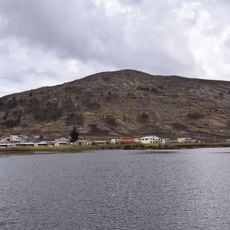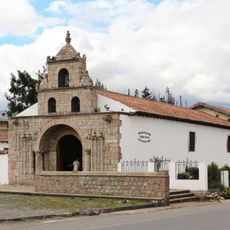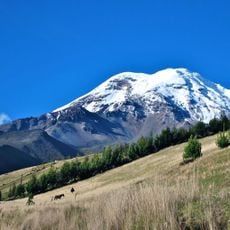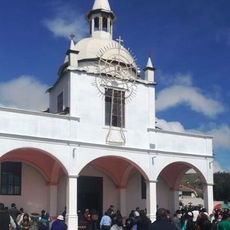
Sangay National Park, Nature reserve in Morona-Santiago Province, Ecuador.
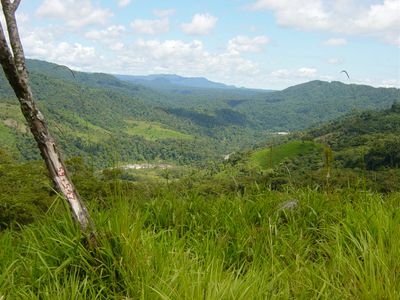
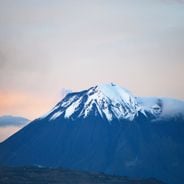
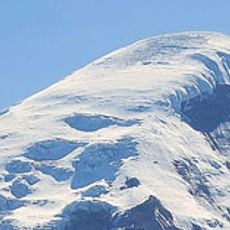
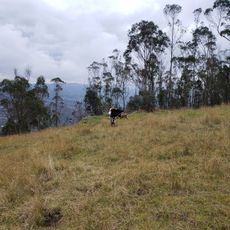
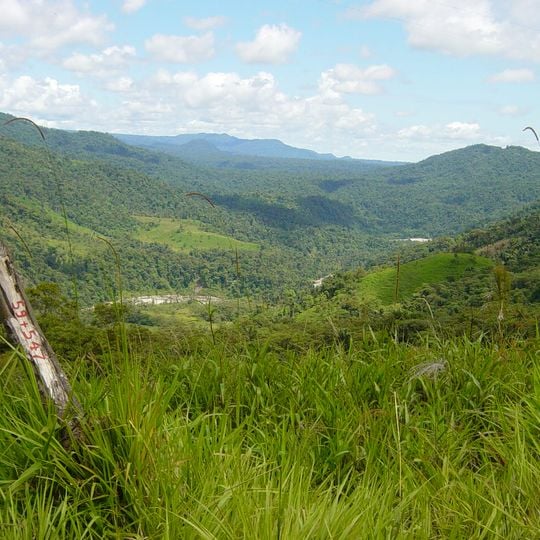
Sangay National Park spans three provinces and contains active volcanoes, tropical rainforests, cloud forests, and high-altitude grasslands ranging from 900 to 5,319 meters (3,000 to 17,450 feet) in elevation. The park encompasses distinct vegetation zones that change dramatically with altitude, creating a range of different landscapes within its boundaries.
The park was designated a UNESCO World Heritage Site in 1983 and was temporarily listed as endangered due to various pressures on the landscape. Conservation efforts improved conditions enough that it was removed from the endangered list by 2005.
The name Sangay comes from the Shuar word 'samkay', showing how indigenous communities have long recognized this volcanic land as their own.
Visitors should explore the many trails with experienced local guides, as the terrain is challenging and conditions vary across different elevations and ecosystems. Careful planning and appropriate gear help ensure a safe and rewarding experience in the park.
Scientists discovered a new species of shrew opossum named Caenolestes sangay in 2013, underscoring the park's importance for biological research. Such discoveries highlight how much remains unknown about the wildlife inhabiting this region.
The community of curious travelers
AroundUs brings together thousands of curated places, local tips, and hidden gems, enriched daily by 60,000 contributors worldwide.