Falkland Islands, South Atlantic archipelago, Argentina
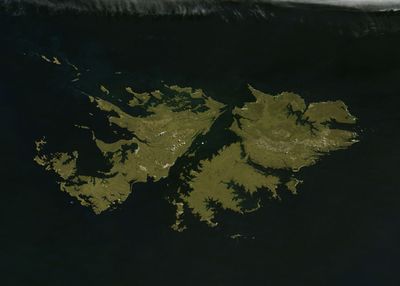
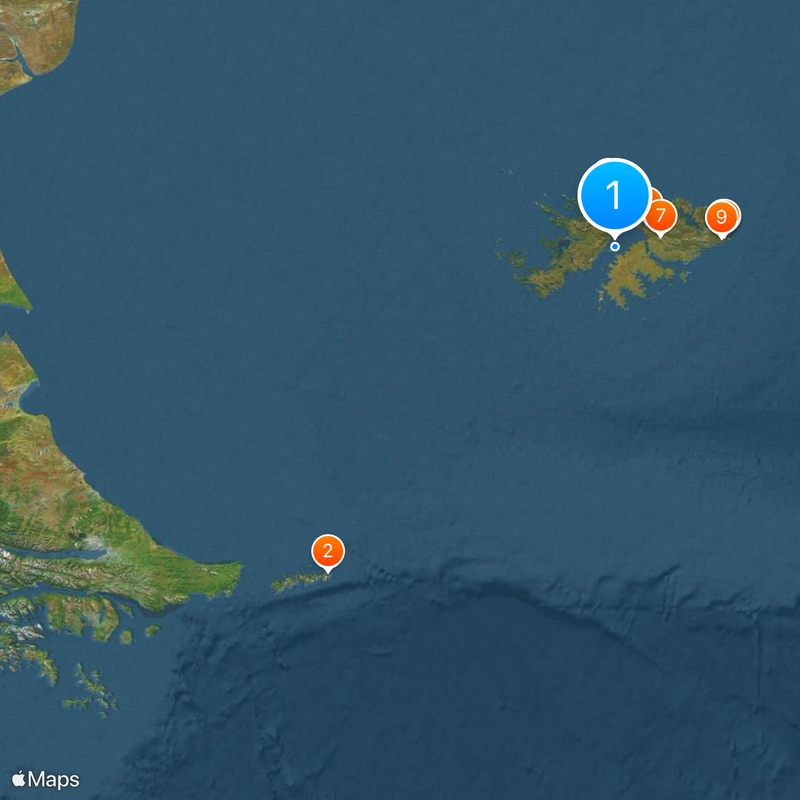
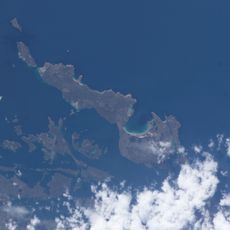
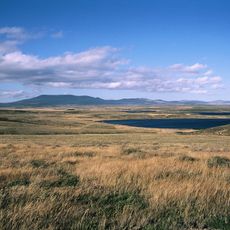
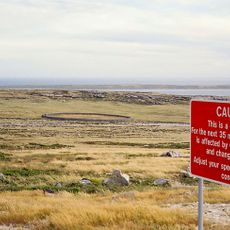
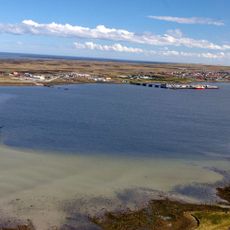
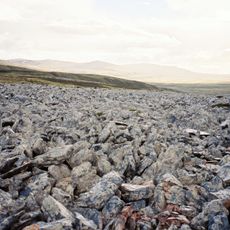
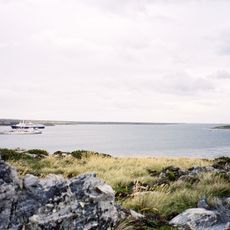
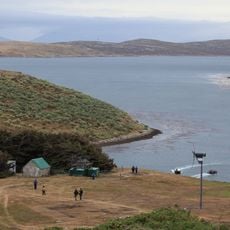
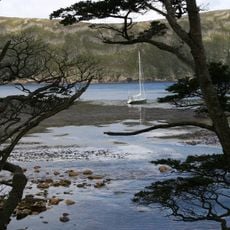
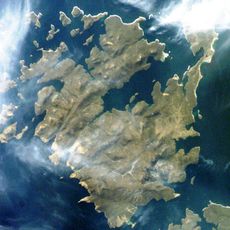
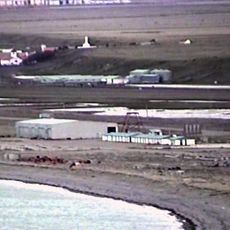
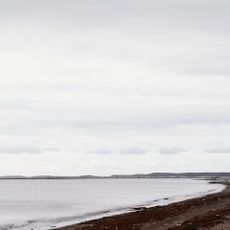
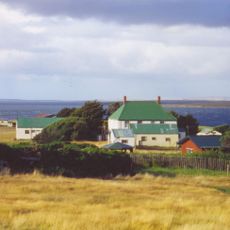
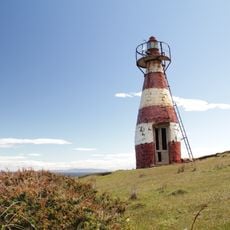
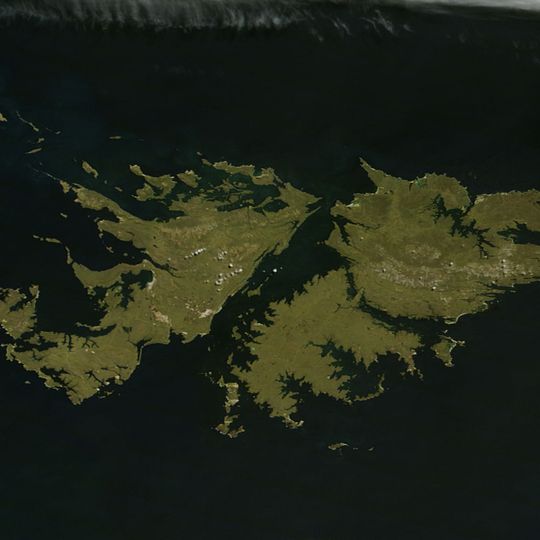
The Falkland Islands consist of two main islands, East Falkland and West Falkland, together with around 200 smaller islands spread across rocky terrain. The territory is marked by rough grassland and low hills, while the coastline is cut by many bays and narrow passages.
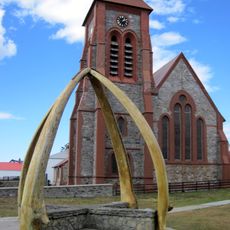
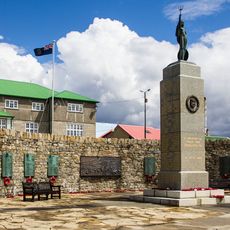
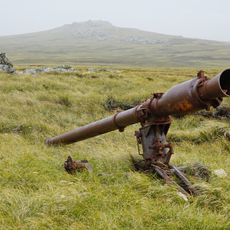
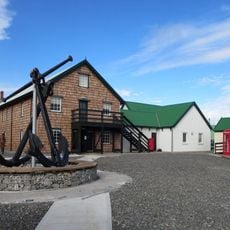
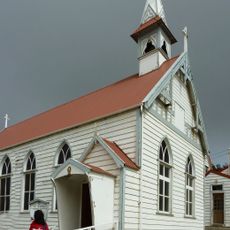
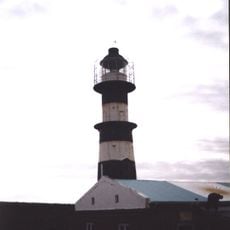
The territory experienced several occupations by France, Spain, Argentina, and Britain, until British forces took permanent control in 1833. This past has left marks in the architecture and in the place names that remain visible today.
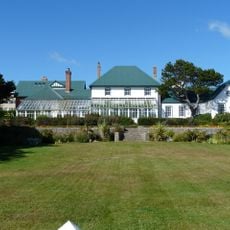
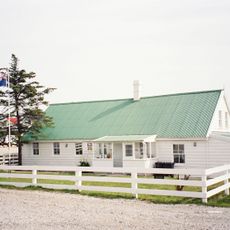
The residents maintain British traditions in their homes and public events, while some families also keep ties to the Spanish-speaking community. A visitor notices the English way of life in pubs, schools, and in the daily interactions among people.
The main economic activities include sheep farming on the rocky terrain and commercial fishing in the surrounding waters. Travelers should prepare for windy conditions and bring warm clothing, as the weather changes quickly.
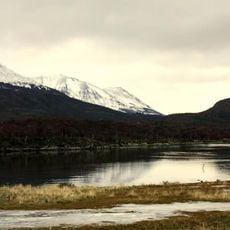
The territory experiences a cold marine climate with constant westerly winds, frequent rain, and occasional snow throughout the year. These conditions shape the landscape and the daily life of the residents, who have adapted to harsh and unpredictable weather changes.
The community of curious travelers
AroundUs brings together thousands of curated places, local tips, and hidden gems, enriched daily by 90,798 contributors worldwide.