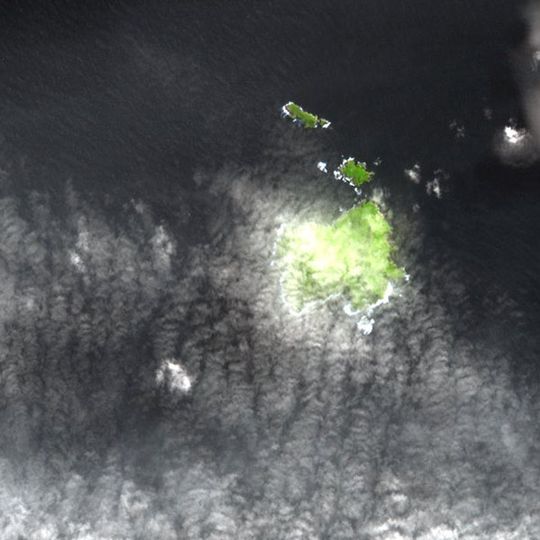
Nightingale Islands, Volcanic island group in South Atlantic Ocean, Saint Helena
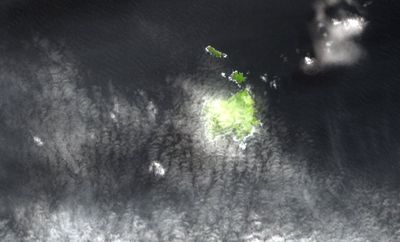
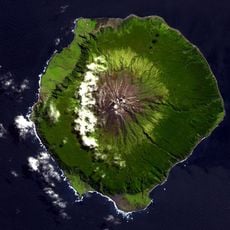
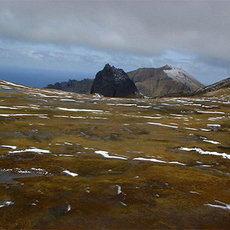
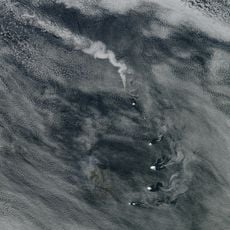
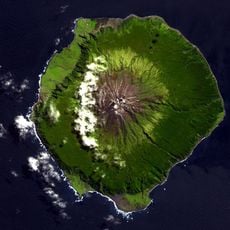
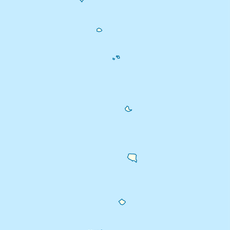
The Nightingale Islands are a trio of volcanic landforms in the South Atlantic, located near Tristan da Cunha, consisting of Nightingale Island, Middle Island, and Stoltenhoff Island. These rocky, treeless outcrops support enormous numbers of nesting seabirds and remain largely untouched by human settlement.
Dutch navigator Jan Jacobszoon first reached these islands in 1656, naming them Gebroeken Island. British Captain Gamaliel Nightingale sailed past over a century later and gave the archipelago its present name in 1760.
The islands hold importance for residents of nearby Tristan da Cunha, who visit during specific seasons to collect seabird eggs and fish using methods passed down through generations. These activities remain woven into the local way of life.
Reaching the islands is only possible by joining guided boat trips from Tristan da Cunha settlement using modern fiberglass vessels. Access depends heavily on ocean conditions and is only practical during calmer months.
Enormous colonies of northern rockhopper penguins and yellow-nosed albatrosses nest here in such massive numbers that observers describe the birds as appearing to cover nearly every available rock surface. Their constant activity creates a dynamic, ever-shifting seabird spectacle.
The community of curious travelers
AroundUs brings together thousands of curated places, local tips, and hidden gems, enriched daily by 92,505 contributors worldwide.