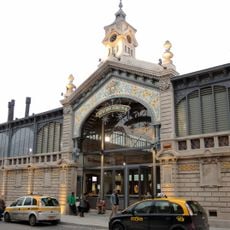
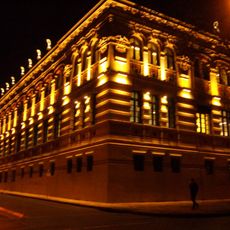
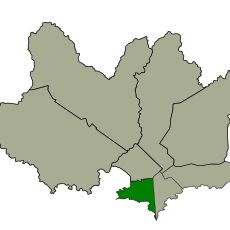
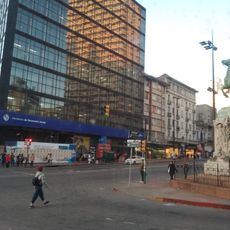
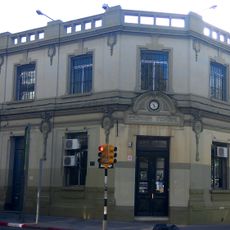
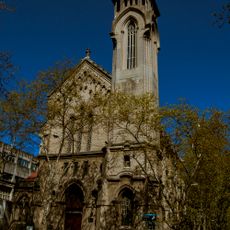
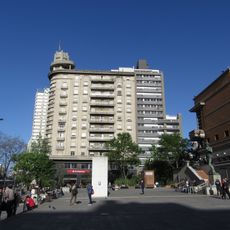
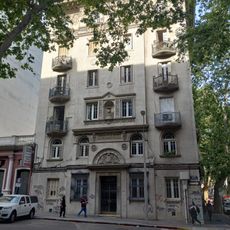
Museo Nacional de Historia Natural de Uruguay, Natural history museum in Ciudad Vieja district, Montevideo, Uruguay.
The Museo Nacional de Historia Natural de Uruguay is a natural history museum in Montevideo that houses animal specimens, fossils, minerals, and objects from the region. The collections span different scientific fields including zoology, geology, and paleontology.
The museum was founded in 1837 and opened its doors on July 18, 1838, as one of the oldest natural history institutions in South America. It became an important center for scientific research into the continent's natural world.
The museum holds collections that reflect the natural life of Uruguay, from animal specimens to rocks from different regions of the country. Visitors can see which species are native here and how the landscape has been shaped over time.
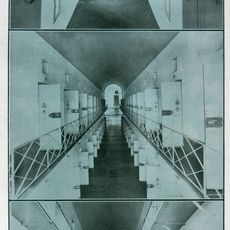
The exhibition space is at Miguelete 1825, in Villa Muñoz, within the former Miguelete Prison it shares with the Espacio de Arte Contemporáneo; the scientific collections and library remain at Calle 25 de Mayo 582 in the Old City. The first two displays cover prehistoric life in what is now Uruguay and the country's present-day ecology.
A skull kept at the museum since the 1980s became the holotype of Josephoartigasia monesi in 2008, named for former director Álvaro Mones; the genus honours José Gervasio Artigas. It is the largest known rodent, estimated at up to 1,000 kg, living 2 to 4 million years ago.
The community of curious travelers
AroundUs brings together thousands of curated places, local tips, and hidden gems, enriched daily by 94,703 contributors worldwide.