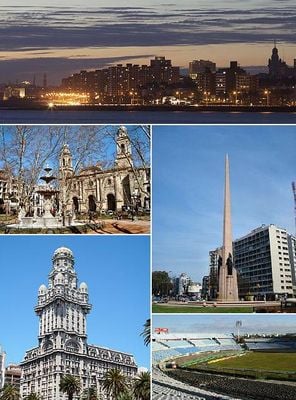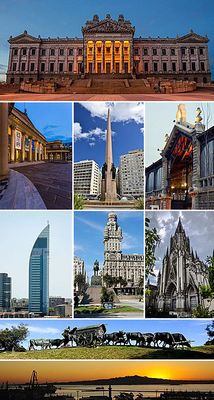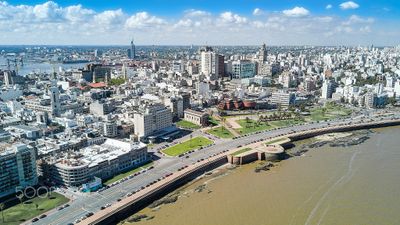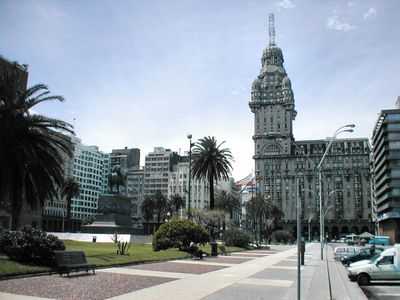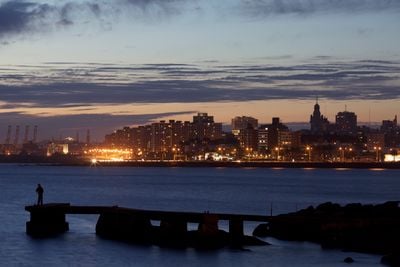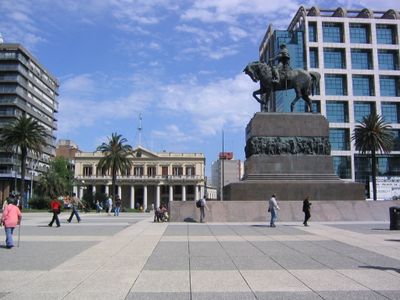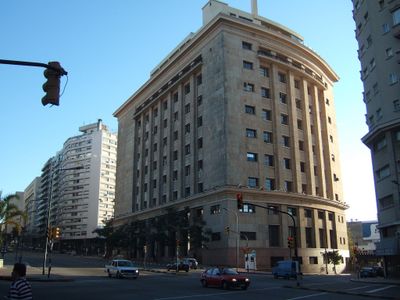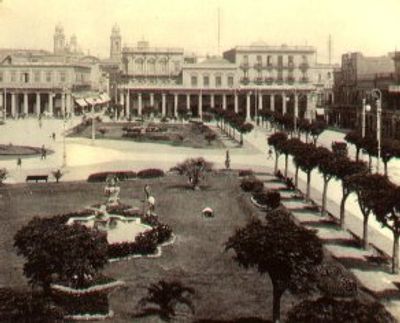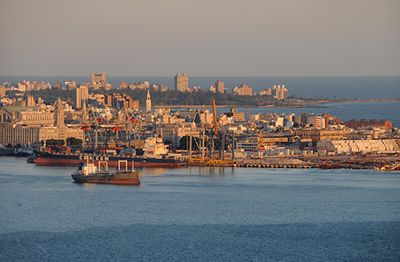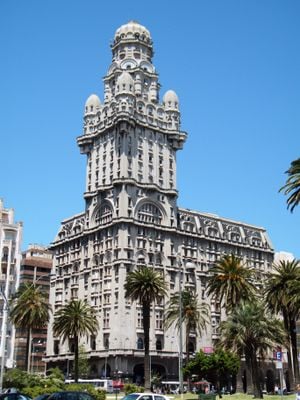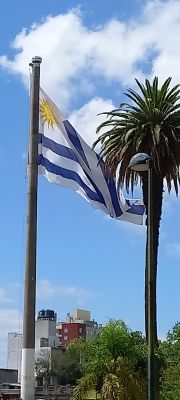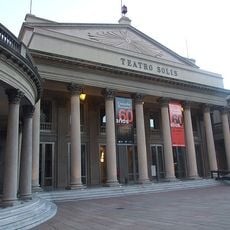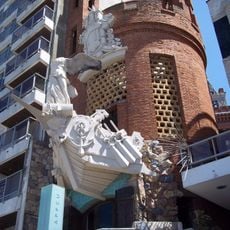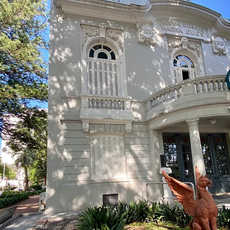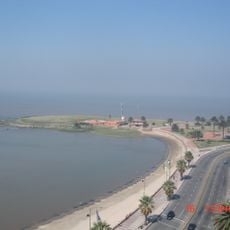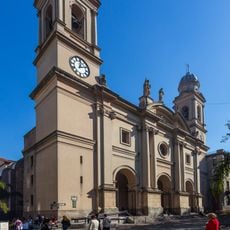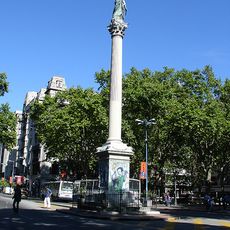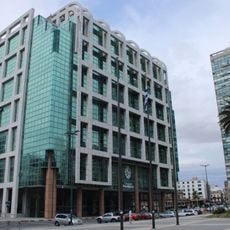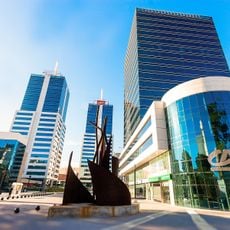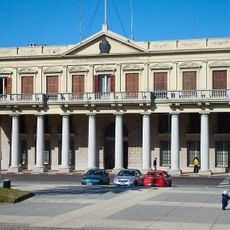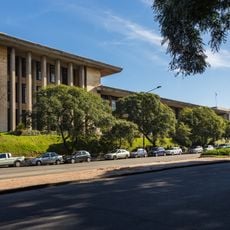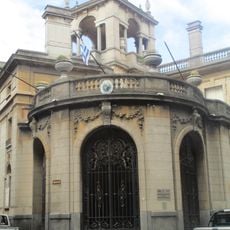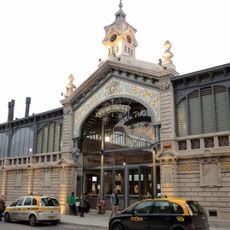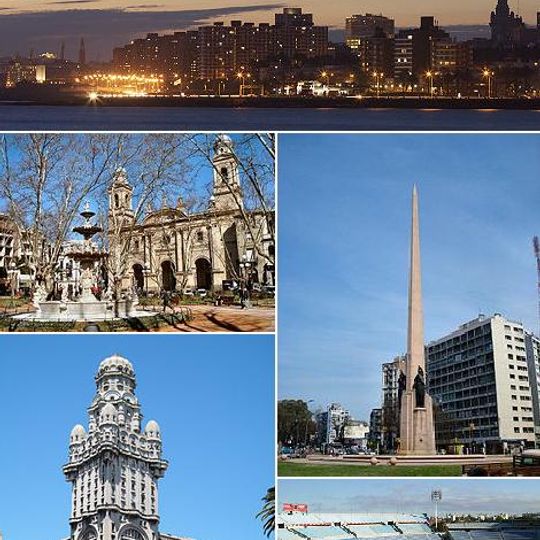
Montevideo, Administrative capital in Montevideo, Uruguay.
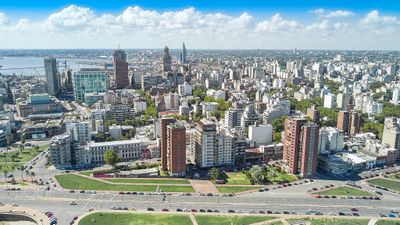
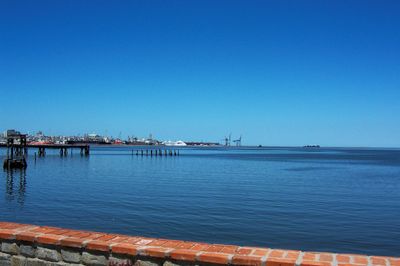
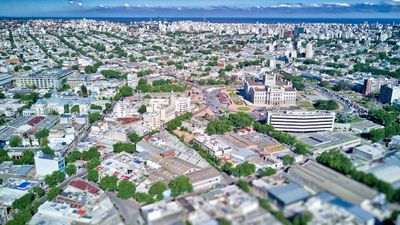
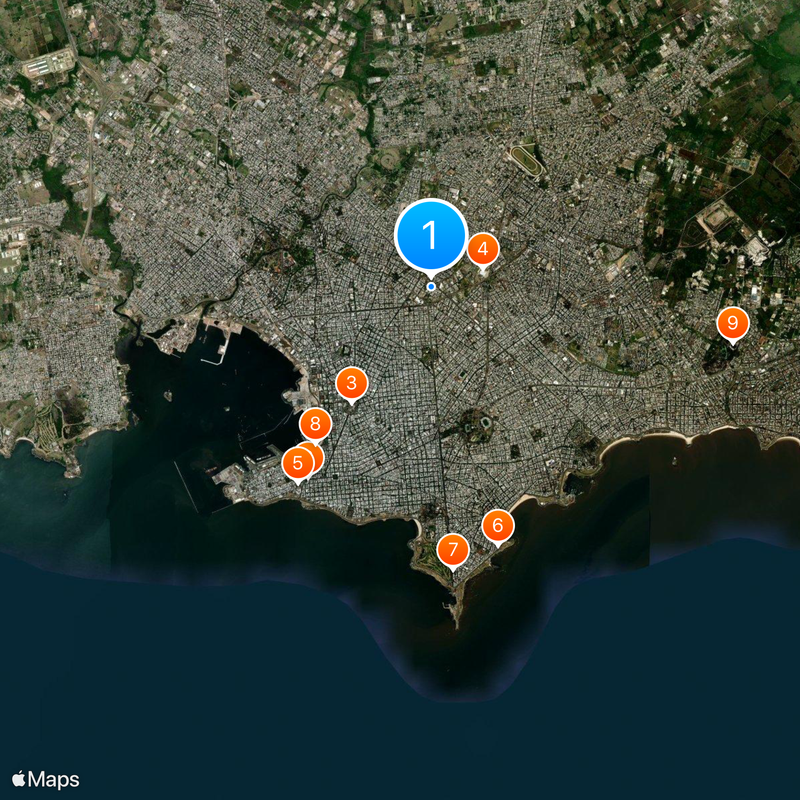
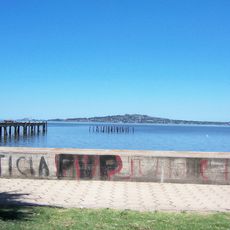
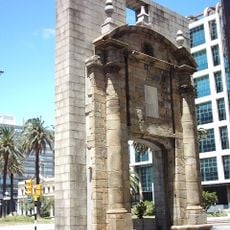
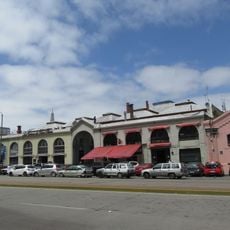
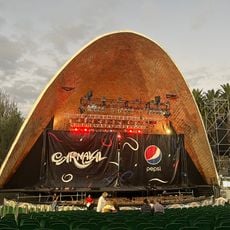
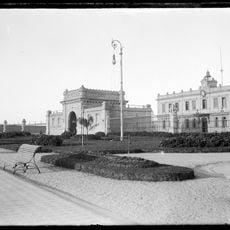
Montevideo sits on the northeastern shore of the Rio de la Plata estuary and is home to roughly a third of Uruguay's people. The urban layout spreads from the colonial core through residential districts toward the beaches in the east, mixing different rhythms and atmospheres along the way.
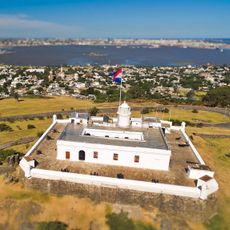
Field Marshal Manuel de Freitas da Fonseca founded the Montevieu fortress in 1723 before Spanish forces took control the following year. This shifting rule shaped the early decades and laid the groundwork for its later role as an independent capital.
Tango music drifts from milongas and cafés across many neighborhoods, especially near the old port. Locals gather in plazas and along the waterfront to share mate and talk about football, politics, or daily life with equal passion.
The city is easiest to explore on foot or by bus, with many neighborhoods close together and connected by wide avenues. Wind from the river can feel cool, especially in winter, so bringing an extra layer is a good idea.
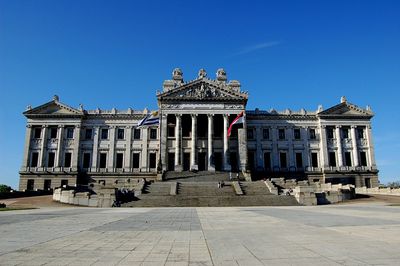
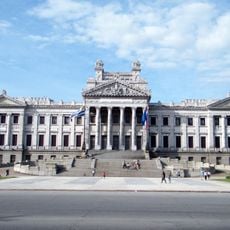
Locals call the city the Switzerland of South America, a nickname that reflects both political stability and a relatively high standard of living. Representatives from both parliamentary chambers meet here in the legislative palace to shape national decisions.
The community of curious travelers
AroundUs brings together thousands of curated places, local tips, and hidden gems, enriched daily by 91,335 contributors worldwide.