Parque Prado, Urban park in northern Montevideo, Uruguay.
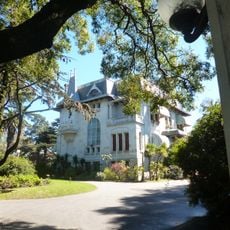
Parque Prado is an urban park in northern Montevideo featuring extensive tree-lined avenues, multiple garden spaces, and the Miguelete Creek running through its grounds. The park offers a network of pathways connecting different recreational areas, ponds, and cultivated sections throughout its large expanse.
The park was established in 1873 as Montevideo's first major public recreational space, marking a turning point in the city's urban development. Its creation reflected the city's growing interest in providing green spaces for residents.
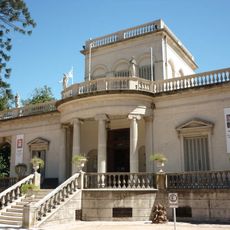
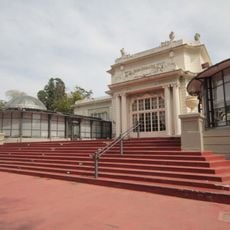
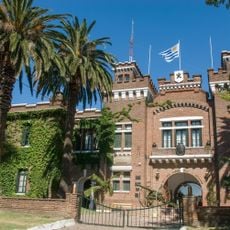
The Juan Manuel Blanes Museum, in a Palladian villa, has been a National Historic Landmark since 1975 and includes a Japanese garden. The Professor Atilio Lombardo Museum and Botanical Gardens were established in 1902. The National Institute of Physical Climatology and its observatory also stand in the Prado.
The park can be accessed from multiple entrances along Agraciada Avenue, Lucas Obes Avenue, and Joaquín Suárez Avenue. Parking areas are available near the main gates, making it convenient for those arriving by car.
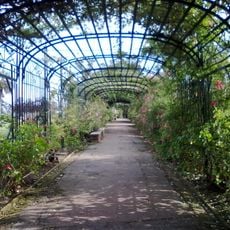
The Rosedal was laid out with 12,000 roses imported from France in 1910, set among four pergolas, eight domes and a fountain. Its planting was tied to the Prado's role as Montevideo's first open public park, created after the 1872 auction of José Buschental's Quinta del Buen Retiro.
The community of curious travelers
AroundUs brings together thousands of curated places, local tips, and hidden gems, enriched daily by 94,675 contributors worldwide.