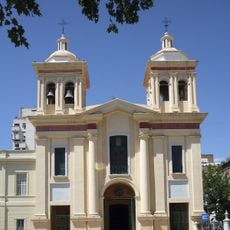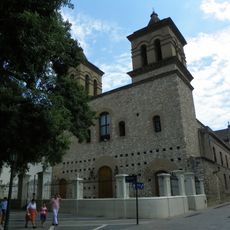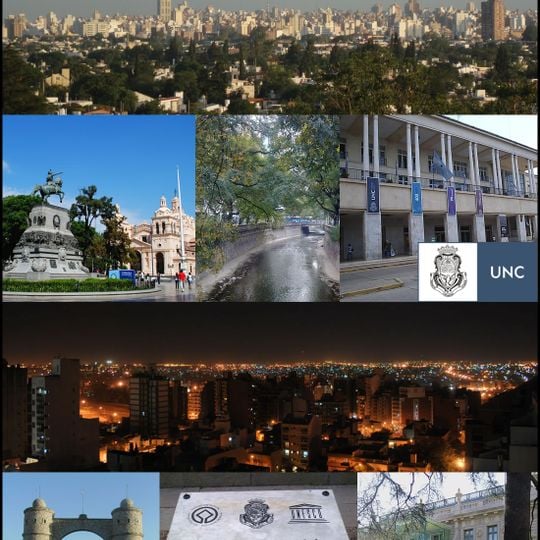
Córdoba, Educational hub in central Argentina
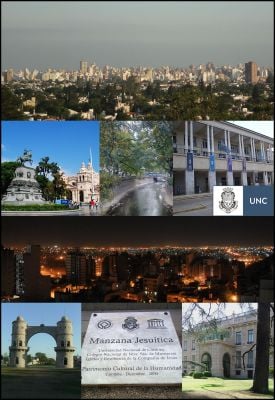
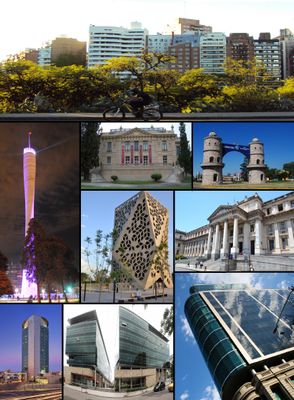
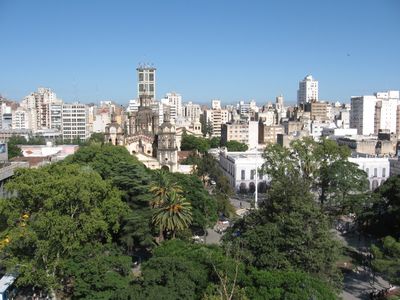
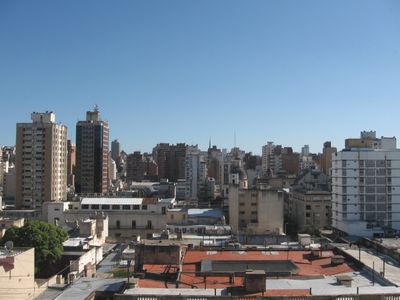
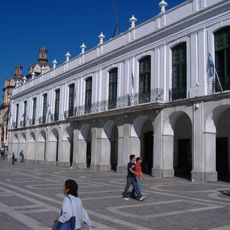
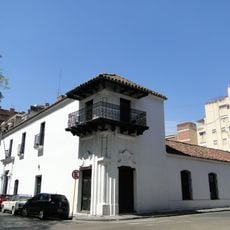
Córdoba is a city in central Argentina that spreads along the Suquía River at the base of the Sierras Chicas mountains. The layout ranges from colonial neighborhoods with low buildings to modern high-rises, forming the second largest urban center in the country.
Jerónimo Luis de Cabrera founded the settlement in 1573 as a strategic point between the Atlantic coast and the interior territories. The city quickly grew into a religious and scholarly center when the Jesuits opened the first university in Argentina in 1613.
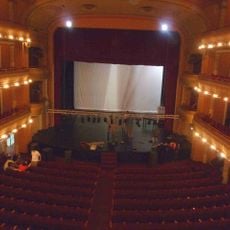
Students fill the streets around the university, keeping cafés and bookshops open late into the evening. The city celebrates its academic roots with public readings, theater performances, and debates that anyone can attend and that shape daily life.
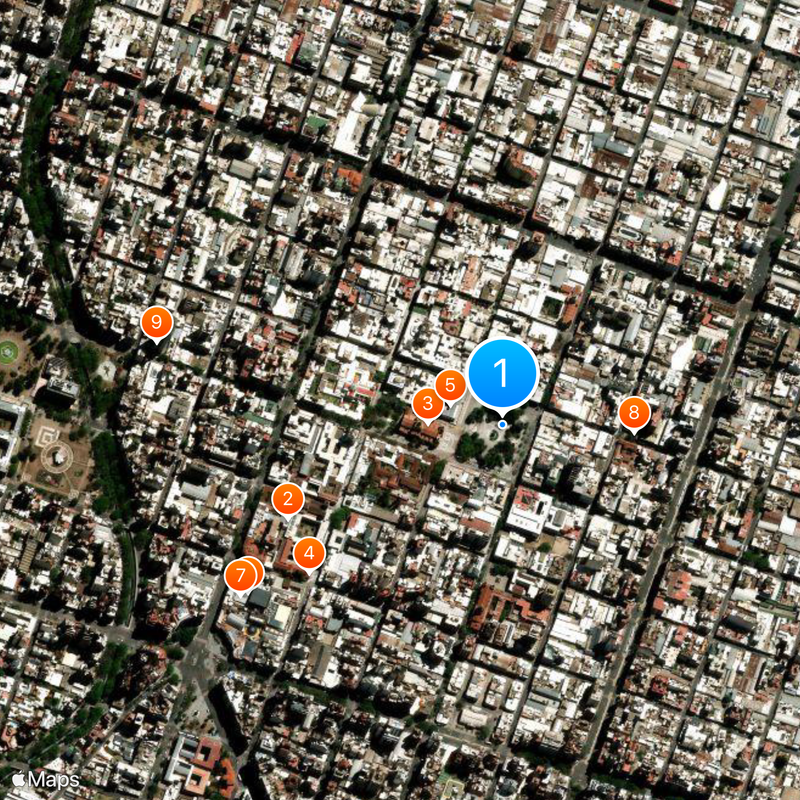
The central location makes the city a transport hub connecting the Pampas region and northwestern Argentina by rail and highway. Visitors will find most sights within walking distance in the historic center, while buses reach the outer neighborhoods easily.
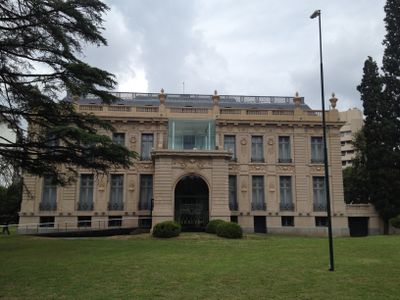
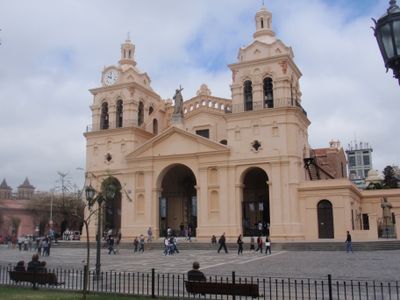
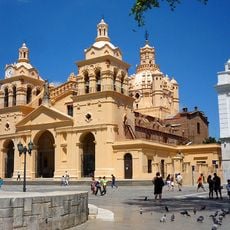
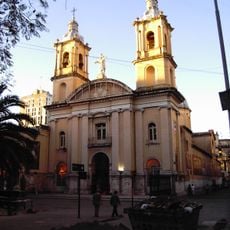
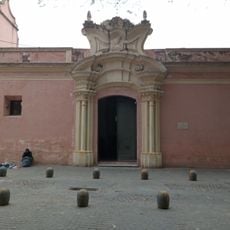
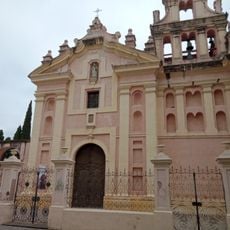
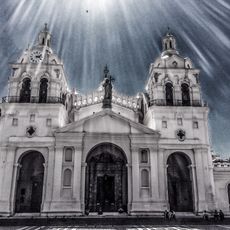
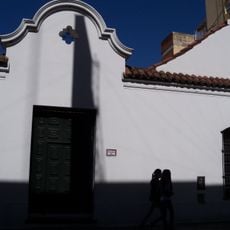
The Jesuit Block, recognized by UNESCO as a World Heritage site, contains religious buildings and educational structures from the colonial period. Beneath the cathedral, visitors can explore underground passages with crypts and foundations that are often missed and reveal early construction techniques.
The community of curious travelers
AroundUs brings together thousands of curated places, local tips, and hidden gems, enriched daily by 91,214 contributors worldwide.