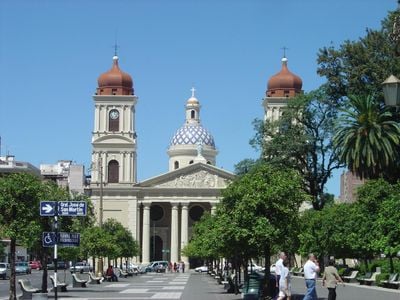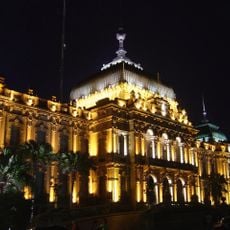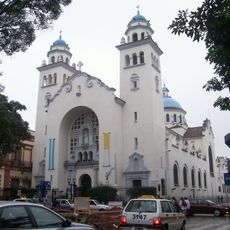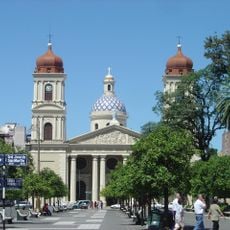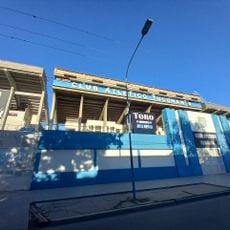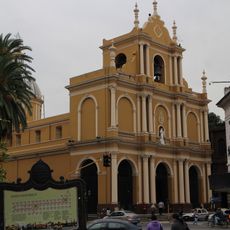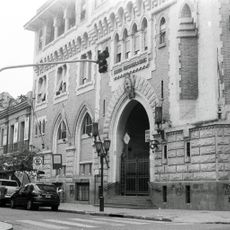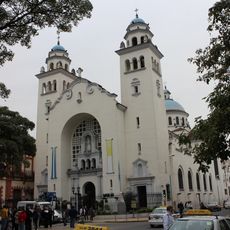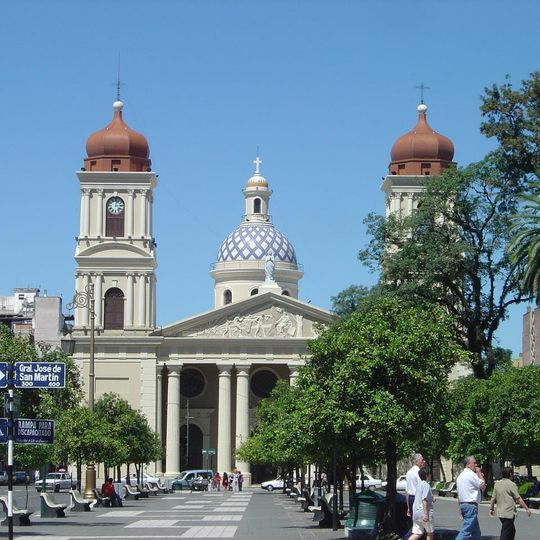
San Miguel de Tucumán, Provincial capital in northern Argentina.
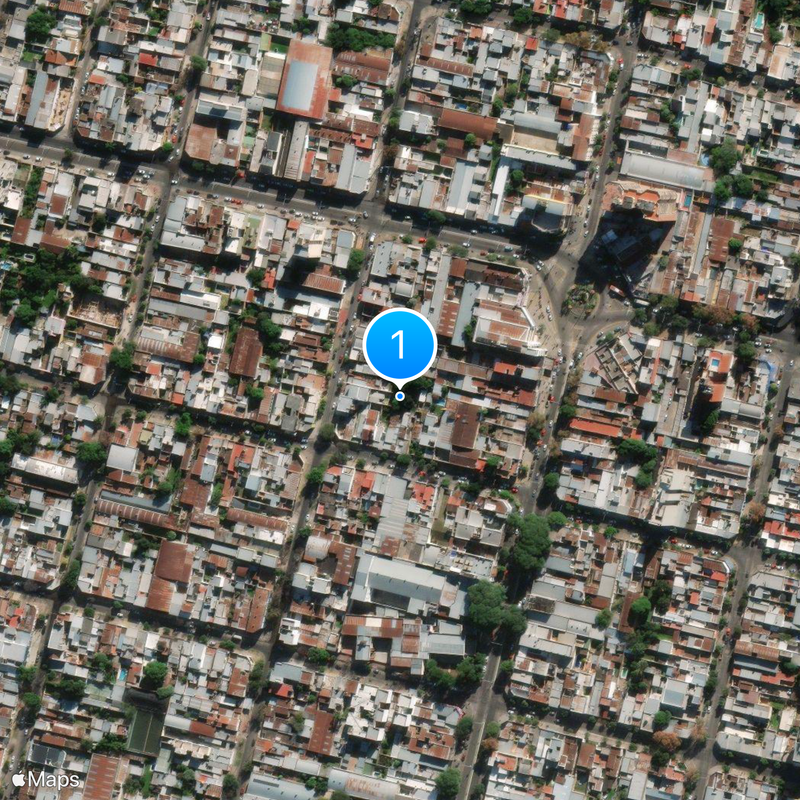
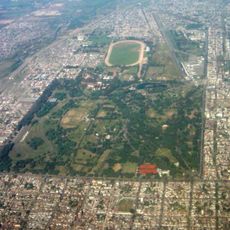
San Miguel de Tucumán sits in the Salí River valley at the foot of the Aconquija range and forms a metropolitan area home to nearly one million people. The city appears densely built in the central neighborhoods, while outlying districts stretch toward the fields and plantations in the surrounding countryside.
The Congress of Tucumán met on July 9, 1816, and delegates signed the declaration of independence from Spanish rule at a gathering held in the city. The province then developed into a center of sugar production, shaping the economy and growth of the metropolitan area.
The name derives from a Quechua word referring to a cotton-growing region, and the addition of San Miguel honors the patron saint of the city. Locals often call it simply Tucumán and gather in the late afternoon at sidewalk cafés near Plaza Independencia, while families enjoy the mild climate in the tree-lined parks.
Teniente General Benjamín Matienzo International Airport links the city to Buenos Aires with several daily flights and serves destinations across neighboring provinces. The center is walkable and buses connect outlying neighborhoods and towns in the surrounding area.
The city keeps extensive citrus orchards and sugar cane fields in the surrounding countryside, contributing to its nickname as the Garden of Argentina. In some areas the plantations reach right up to the city edge and fill the air with the scent of orange blossoms during the flowering season.
The community of curious travelers
AroundUs brings together thousands of curated places, local tips, and hidden gems, enriched daily by 90,794 contributors worldwide.