Santa Maria Formation, Geological formation in Santa Maria, Brazil.
Santa Maria Formation is a geological layer of sedimentary rock from the Late Triassic period and contains fossils from several extinct species. The deposits consist of different sequences that represent distinct time periods from that distant past.
The layers formed approximately 237 to 228 million years ago during a time when smaller dinosaurs roamed the landscapes of this region. These sedimentary deposits document an important phase in the early development of these animals.
The formation holds importance for paleontologists because it contains remains of small dinosaurs that once inhabited this region. Visitors can observe in research centers how these discoveries have shaped understanding of early dinosaur life.
The formation extends across several layers and can be observed at different sites in and around Santa Maria. For the best understanding, visitors should consult a museum center that displays the fossils and explanations of the layers.
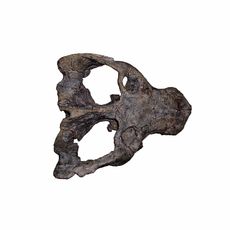
Researchers discovered remains of different dinosaur species here, including one named Nhandumirim waldsangae that was described in recent decades. These findings show that early dinosaurs were more diverse than previously thought.
The community of curious travelers
AroundUs brings together thousands of curated places, local tips, and hidden gems, enriched daily by 90,740 contributors worldwide.