Guaíra Falls, Former waterfall system in Paraná, Brazil and Paraguay
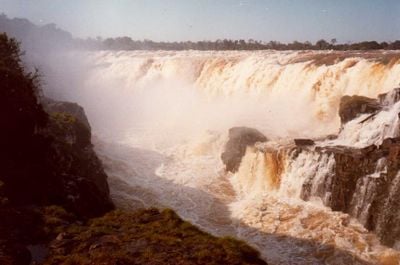
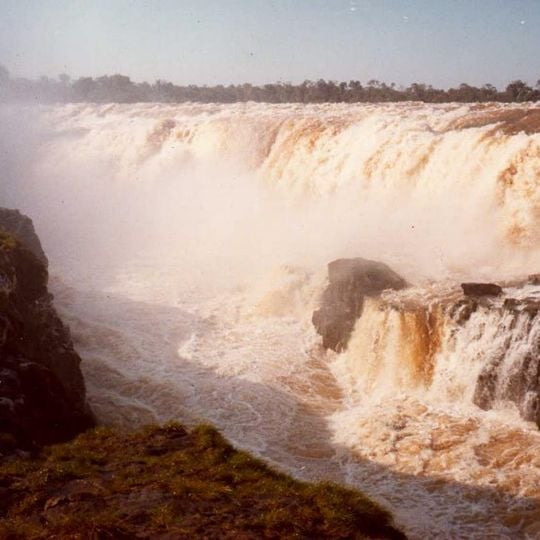
This system consisted of eighteen waterfalls distributed across seven distinct groups along the Paraná River, spanning a width of 4,828 meters (15,840 feet). The formation created a series of cataracts where water plunged through narrow rock channels and over steep granite formations. The arrangement created multiple separate cascades with varying heights and widths along the river course.
European explorers first documented the falls in the sixteenth century during early expeditions into the South American interior. The Brazilian and Paraguayan governments signed the Itaipu Treaty in 1973 to construct a hydroelectric dam downstream. Reservoir filling began in 1982, and within fourteen days the entire waterfall system disappeared beneath the artificial lake created for power generation.
Indigenous groups called the waterfalls Guaíra in Tupi-Guaraní language, referring to an impassable barrier that no one could traverse. For centuries the cascades formed a natural obstacle to river navigation and shaped the lives of communities along the Paraná. For native peoples they represented both a spiritual symbol and a practical impediment to trade routes through the interior.
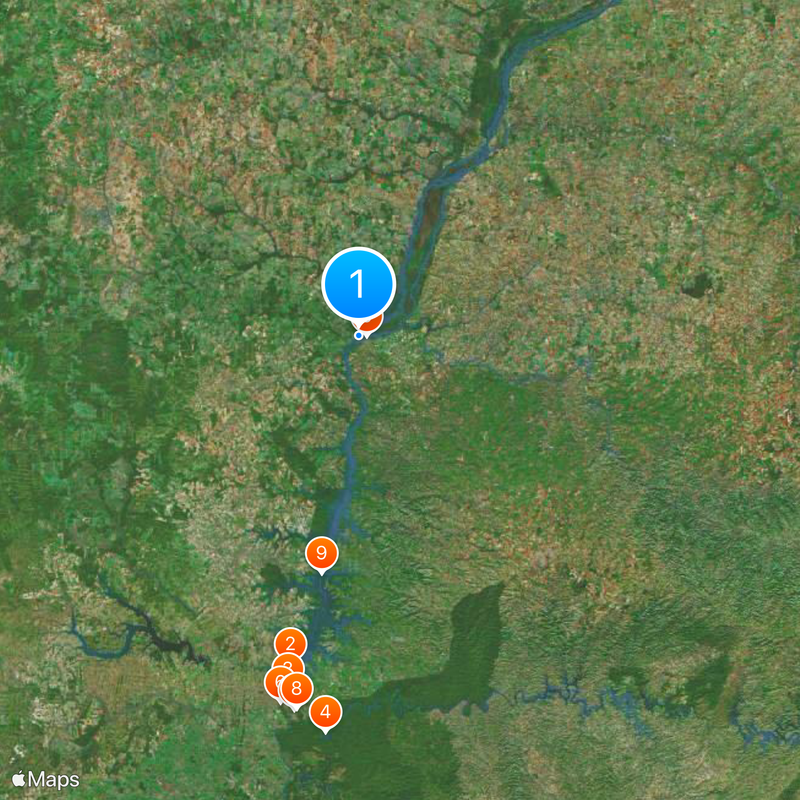
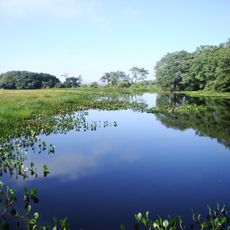
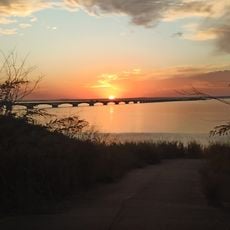
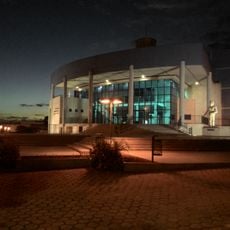
The location now lies beneath approximately 30 meters (98 feet) of water in the Itaipu reservoir along the Brazil-Paraguay border. Visitors can reach the nearby town of Guaíra, where local museums display photographs and artifacts from before the flooding. The region offers information panels documenting the geological formation and the vanished natural wonder.
Water plunging through the narrow gorge of 61 meters (200 feet) in depth produced a roar audible from 30 kilometers (19 miles) away. Before submersion the flow reached 49,000 cubic meters (1.7 million cubic feet) per second during high water season. This volume surpassed any other cascade in the Western Hemisphere and made the vanished system the most voluminous in the world.
The community of curious travelers
AroundUs brings together thousands of curated places, local tips, and hidden gems, enriched daily by 91,370 contributors worldwide.