Itapuã State Park, State park in Viamão, Brazil
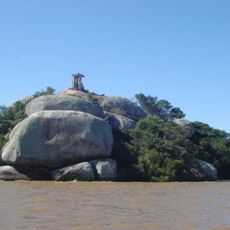
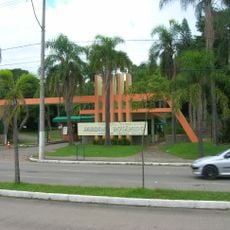
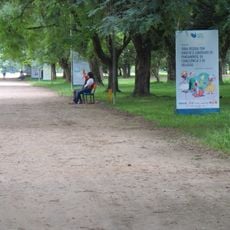
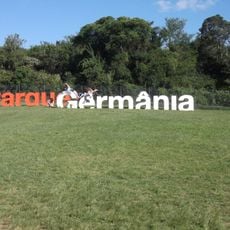
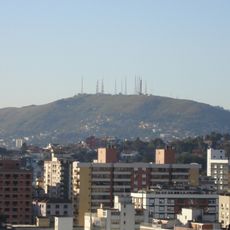
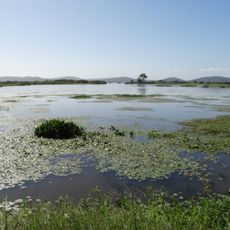
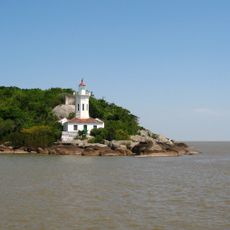
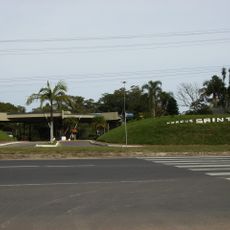
Itapuã State Park covers 5,566 hectares on a promontory between Lake Guaíba and Patos Lagoon, 57 km from Porto Alegre. It holds hills, beaches, dunes, marshes and the Lagoa Negra, plus the Itapuã Lighthouse, completed in 1860, where the lake meets the lagoon.
The area was settled from 1733, and about 60 Azorean families later farmed the poor land. In the 1835–45 Ragamuffin War the Itapoã fort on the hill above the Guaíba controlled river access to Porto Alegre until imperial forces took it in August 1836. Quarrying for pink granite from the 1970s ended in 1985 after protests led by José Lutzenberger and AGAPAN, and the state park was created by decree in 1991.
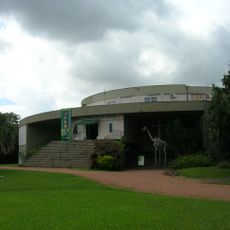
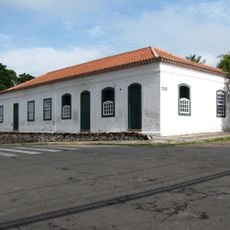
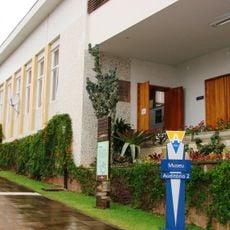
The name Itapuã comes from Guarani and means "rocky point", referring to the promontory between Lake Guaíba and Patos Lagoon. The park also holds indigenous archaeological sites, and the Visitor Center displays weapons and boat parts from the Ragamuffin War (1835–45).
The park normally opens Wednesday to Sunday, 9am to 6pm, with a midday closure from 12am to 1:30pm on weekdays. Only 350 people are admitted per day, and Sundays often fill up, so arrive early. Bring your own food and charcoal for the grills; collecting firewood is prohibited. Of the three beaches, only one was open as of 2015, and ball sports, bicycles and pets are not allowed.
This is one of the last remaining natural environments in the Porto Alegre metropolitan area, with hills, beaches, dunes, and lagoons still largely untouched. Brown howler monkeys live here and can be heard and occasionally spotted, making it a special place for wildlife encounters.
The community of curious travelers
AroundUs brings together thousands of curated places, local tips, and hidden gems, enriched daily by 92,813 contributors worldwide.