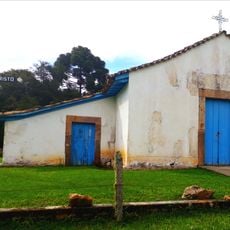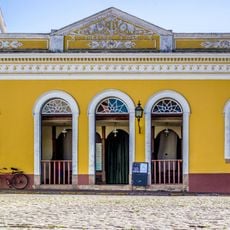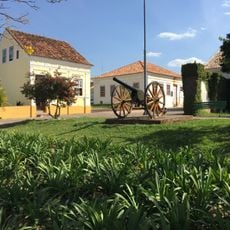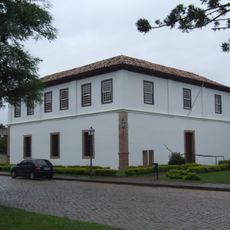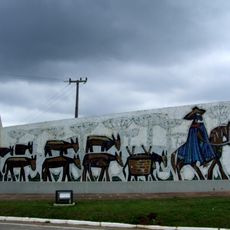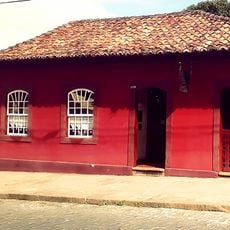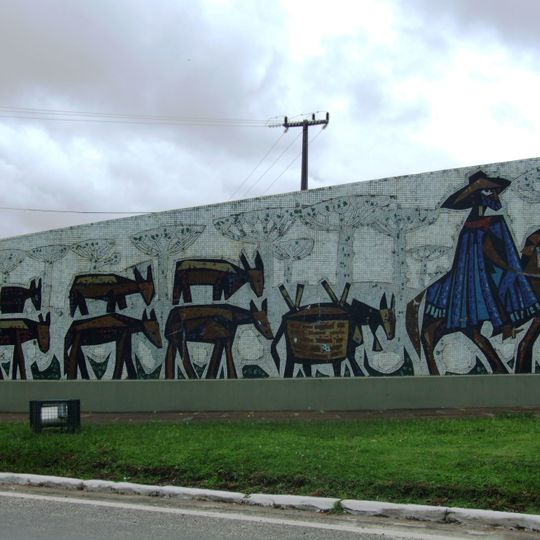
Caminho das Tropas, Historic transport route in Lapa, Paraná, Brazil
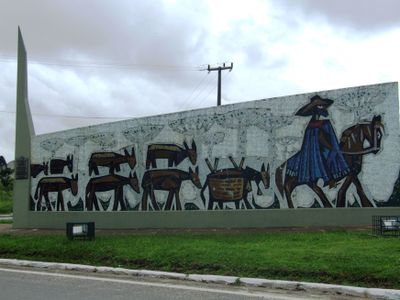
The Caminho das Tropas crossed mountainous regions and plateaus in the Brazilian interior, connecting the southern provinces with the southeast through extensive land trails traveled by muleteers and their pack animals during the eighteenth and nineteenth centuries over distances exceeding 930 miles (1,500 kilometers).
Initiated around 1731 by Portuguese explorer Cristóvão Pereira de Abreu, the route was developed to transport cattle and mules from Rio Grande do Sul to São Paulo, replacing dangerous maritime routes and providing essential animals for the mining economy of Minas Gerais during the gold rush.
The muleteers who traveled the route for months established culinary traditions such as feijão tropeiro and influenced the cultural formation of the southern and southeastern regions, leaving marks on local festivals, music, and customs in cities along the path that connected colonial Brazil.
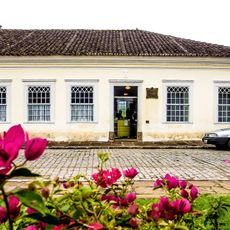
The route passed through important trade centers such as Sorocaba, Curitiba, and Lapa, where animal fairs were held and muleteers rested at stopping points that later evolved into cities, establishing a network of territorial integration in colonial Brazil with inspection posts collecting taxes.
Otávio Reis, born in Porto Amazonas, was considered the last muleteer to travel the historic route, completing his journeys at 100 years of age in 2014 and preserving living memories of a concluded era of land transport with mules and horses through the Brazilian interior.
The community of curious travelers
AroundUs brings together thousands of curated places, local tips, and hidden gems, enriched daily by 91,282 contributors worldwide.