Colônia Witmarsum, Mennonite agricultural settlement in Palmeira, Brazil
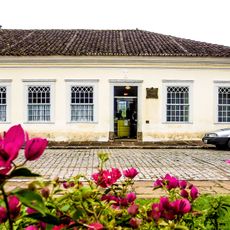
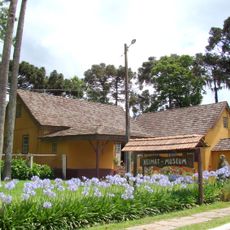
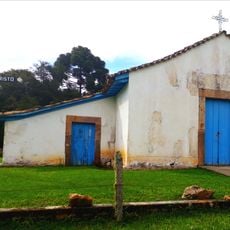
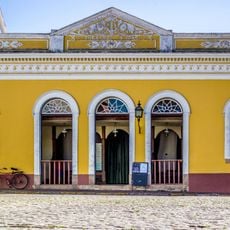
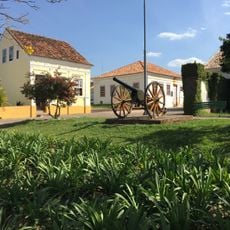
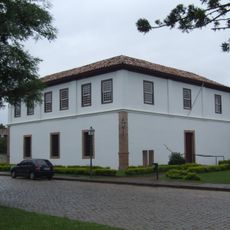
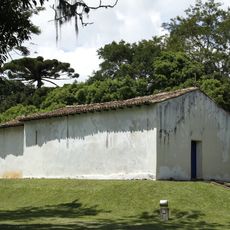
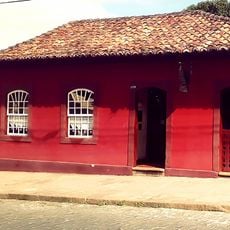
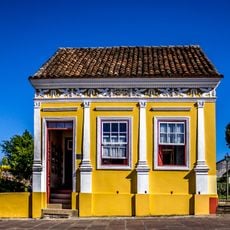
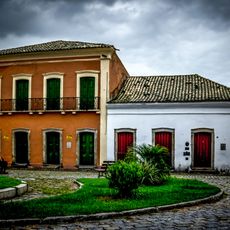
Colônia Witmarsum is a Mennonite settlement of about 1,500 inhabitants on roughly 7,800 hectares in Palmeira, Paraná. Five numbered villages (1 to 5) are arranged around a commercial and social centre built on the site of the former Fazenda Cancela, whose headquarters now houses the Casa Fazenda Cancela museum. Dairy farming and grain crops dominate the surrounding land, and the Witmarsum Cooperative processes milk and makes cheese.
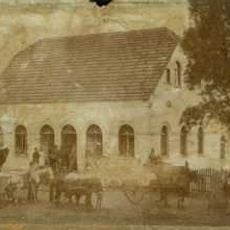
German-Russian Mennonites from Frisia settled in Russia in the 18th century and fled in 1929; they reached Brazil in 1930 and stayed in Santa Catarina. In July 1951 they founded Colônia Witmarsum after buying the 7,800-hectare Fazenda Cancela on 7 June 1951 with loans from North American Mennonites.
The name Witmarsum comes from the Frisian town of the same name, the Mennonites' original homeland. The five villages are numbered 1 to 5 and arranged around the former Fazenda Cancela headquarters, now the Casa Fazenda Cancela museum. The cooperative, founded in 1952, sells milk under the Cancela brand and cheeses under the Witmarsum brand, the first in Brazil to receive a geographical indication seal.
The colony lies in Palmeira, Paraná, with five numbered villages arranged around the central hub at the old Fazenda Cancela. A car is useful for moving between the villages and the center. The tourism center opened in early 2016 and provides information on inns, cafés, restaurants, horseback and pony rides, abseiling, walking trails, organic and homemade products, and handicrafts.
The Witmarsum brand's cheeses were the first in Brazil to receive a geographical indication seal. The cooperative processes about 25,000 litres of milk daily and produces at least 20 tonnes of cheese per month, sold under the Witmarsum name while milk carries the Cancela brand.
The community of curious travelers
AroundUs brings together thousands of curated places, local tips, and hidden gems, enriched daily by 93,861 contributors worldwide.