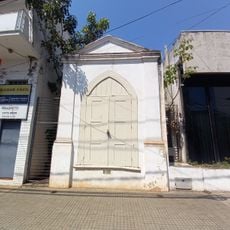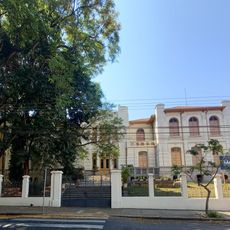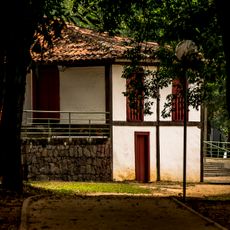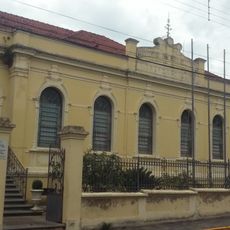
Piracicaba, Municipality in São Paulo state, Brazil
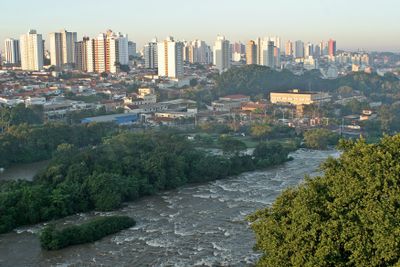
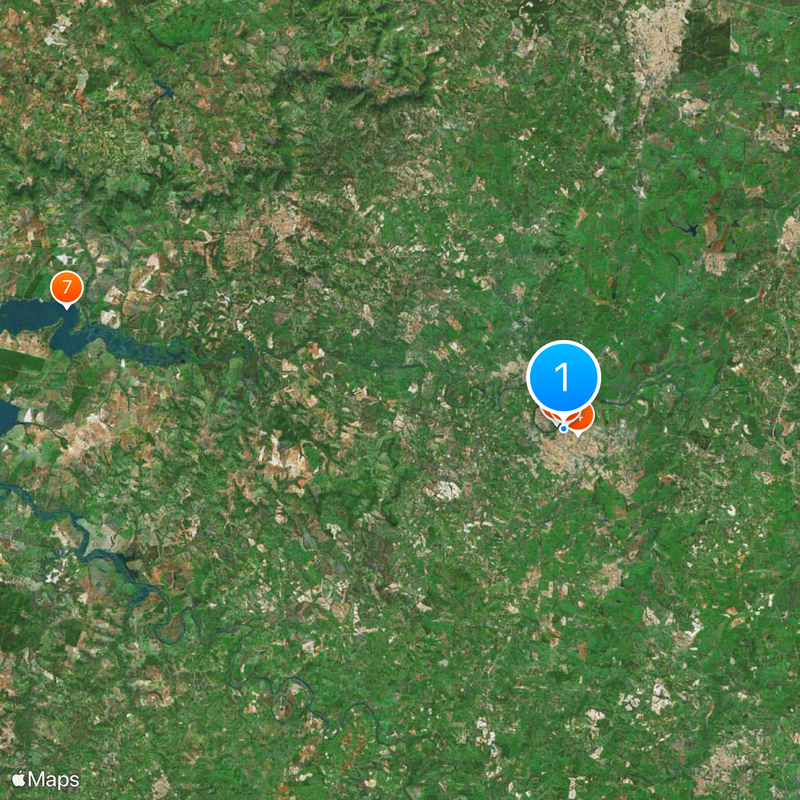
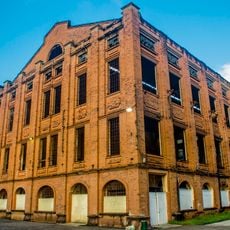
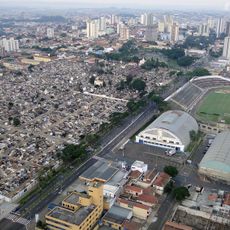
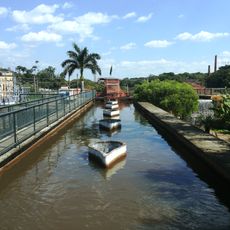
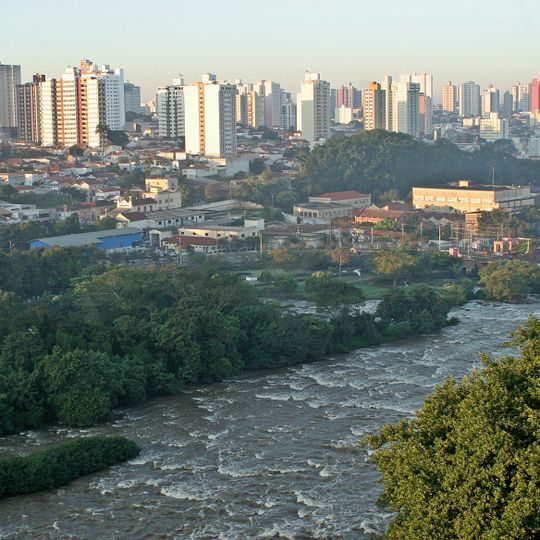
Piracicaba is a large city in the east-central highlands of São Paulo state, sitting at around 472 meters above sea level. It covers 1,378 square kilometers and blends industrial districts with residential neighborhoods along the river.
The settlement began in 1767 as a small village under Itu jurisdiction and gained city status in 1856 after becoming independent. The founding of an agricultural school in 1901 transformed the local economy and drew students from across Brazil.
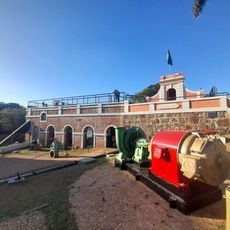
The name comes from the Tupi language and means "place where the fish stops," referencing waterfalls that once blocked fish from swimming upstream. This indigenous origin reflects the river's central role in shaping local identity and everyday life.
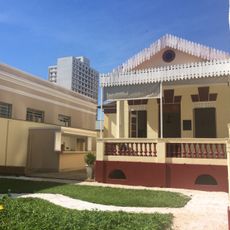
Major industries including Caterpillar, ArcelorMittal, and Hyundai operate manufacturing facilities here, providing jobs for the roughly 423,000 residents. Visitors will find hotels, restaurants, and shops scattered across different neighborhoods along the river.
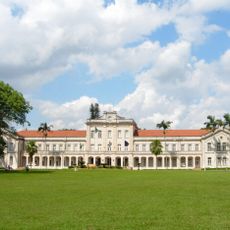
The Luiz de Queiroz School of Agriculture, founded in 1901, was Brazil's first agricultural university and still shapes the city's academic atmosphere today. Students from all over the country come here to specialize in agronomy and related fields.
The community of curious travelers
AroundUs brings together thousands of curated places, local tips, and hidden gems, enriched daily by 92,529 contributors worldwide.