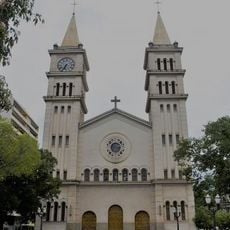
Engenho Central de Piracicaba, Sugar mill complex in Piracicaba, Brazil
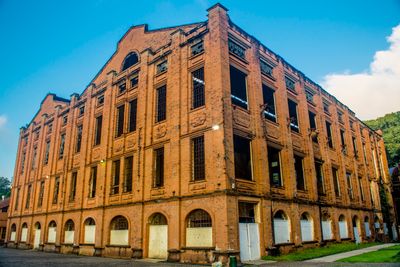
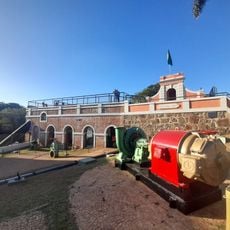
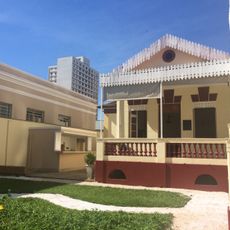
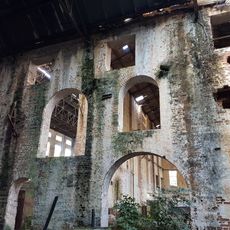
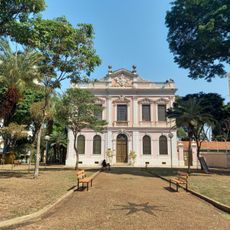
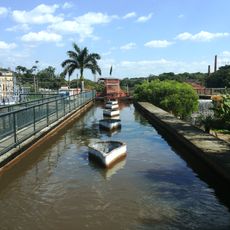
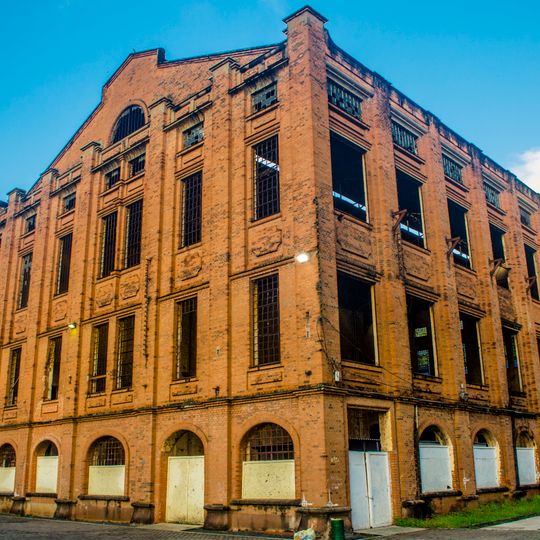
Engenho Central de Piracicaba is a sugar mill complex along the Rio Piracicaba featuring preserved industrial structures and a suspended footbridge. The grounds contain historic production buildings and spaces now open to visitors for exploration and events.
Built in 1881 by Estêvão Ribeiro de Sousa Resende, the Baron of Rezende, the mill replaced slave labor with paid workers and mechanization. Sold in 1899 to the Société de Sucreries Brésiliennes, it became Brazil's leading sugar mill, producing 100,000 bags of sugar and three million liters of alcohol a year. It was expanded in the 1930s–50s, sold to Grupo Silva Gordo in 1970 and shut down in 1974.
The complex hosts the Salão Internacional do Humor, a cartoon and caricature exhibition held in the old mill buildings, and open-air performances of the Paixão de Cristo during Holy Week. The name engenho refers to the sugar mill that once defined the Vila Rezende district.
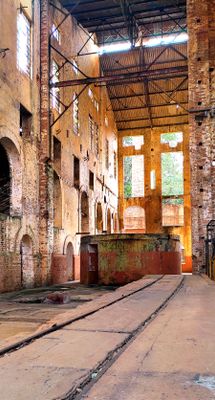
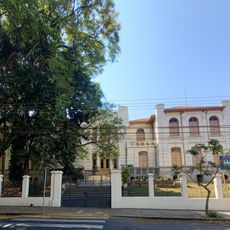
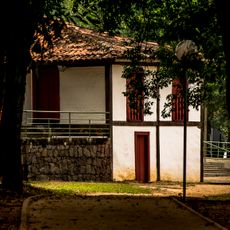
The site covers 80,000 square metres of green area and 12,000 square metres of built structures, so allow time to walk between the brick halls and the riverside. The grounds are flat but include uneven paving and former rail tracks; wear sturdy shoes. Some window openings are unglazed, so the interiors are exposed to weather.
The mill's 1899 sale to the Société de Sucreries Brésiliennes turned it into the country's leading sugar plant, producing 100,000 bags of sugar and three million litres of alcohol a year. It absorbed six other mills of the same group in São Paulo state.
The community of curious travelers
AroundUs brings together thousands of curated places, local tips, and hidden gems, enriched daily by 92,952 contributors worldwide.