Paraisópolis, Favela neighborhood in São Paulo, Brazil
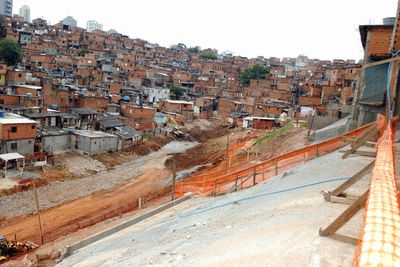
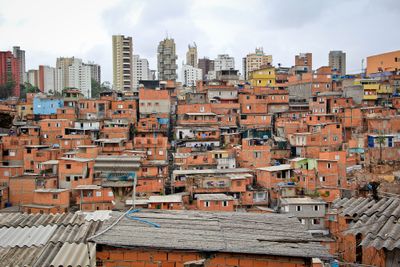
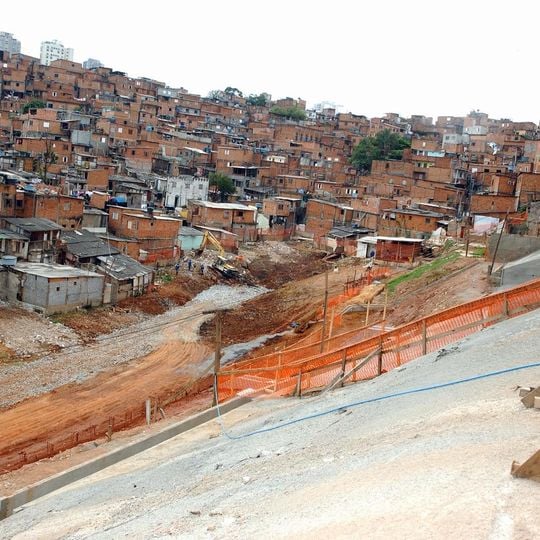
Paraisópolis spreads across steep slopes beside the wealthy Morumbi district and is home to roughly one hundred thousand residents in tightly built structures. Narrow alleys wind between brick and concrete houses, while power lines stretch over rooftops and small shops open directly onto the street.
The settlement began in the 1950s when workers from northern Brazil moved south and built homes on vacant land near the growing center of São Paulo. Over the following decades, the area grew steadily as new migrants arrived and the community organized itself despite lacking formal recognition.
The name translates to Paradise City, a term that contrasts with the economic conditions many residents face. Local radio stations and community centers organize activities for children and adults, while residents have built social systems to help neighbors and solve shared problems.
The steep streets can become slippery during rain, so visitors should wear sturdy shoes and walk carefully. Most facilities, including schools, grocery stores, and an artificial turf field, are within walking distance from central areas of the neighborhood.
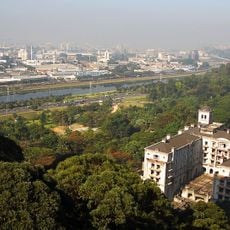
A photo from 2004 drew worldwide attention by showing the favela houses directly beside a Morumbi luxury building with swimming pools on every floor. This visual representation of inequality became an iconic image of Brazilian urban development and is often used in discussions about social contrasts.
The community of curious travelers
AroundUs brings together thousands of curated places, local tips, and hidden gems, enriched daily by 92,342 contributors worldwide.