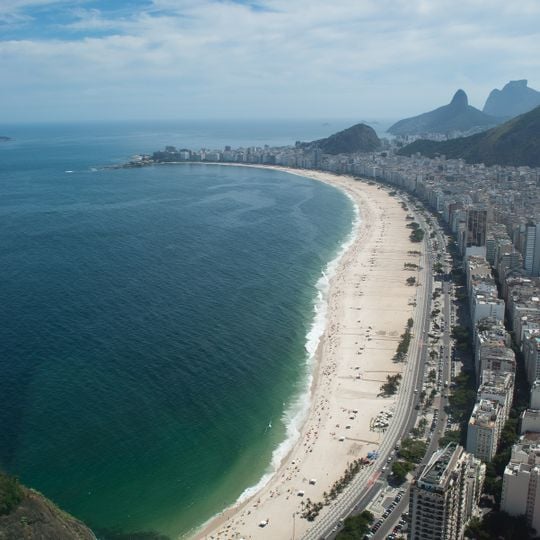
Copacabana, Beach neighborhood in Rio de Janeiro, Brazil.
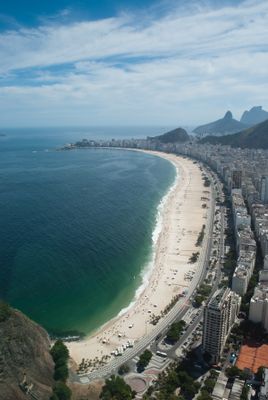
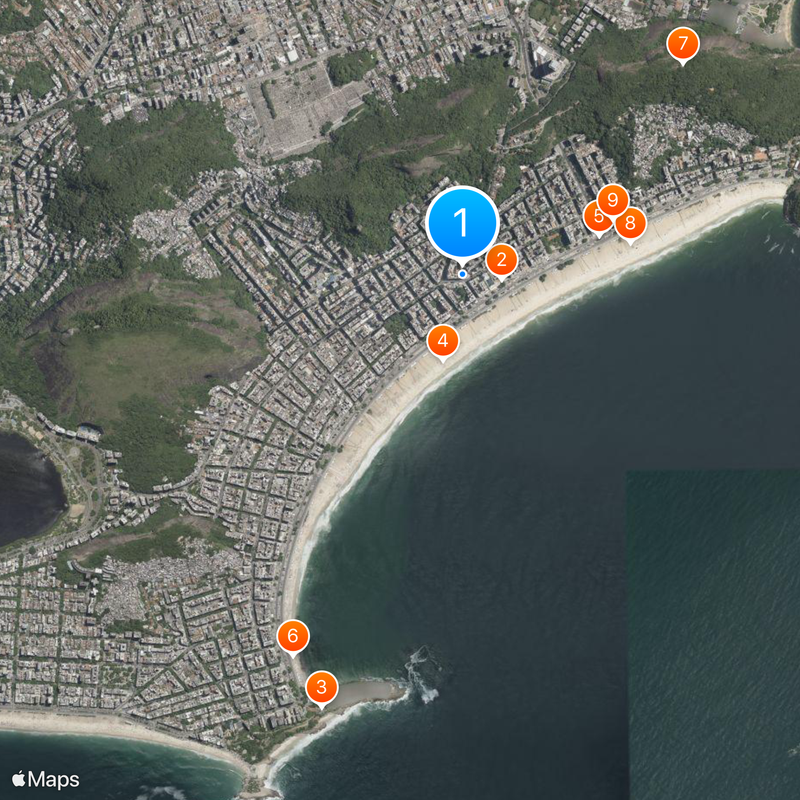
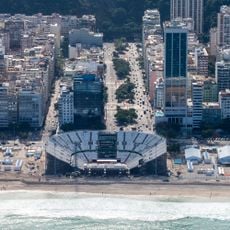
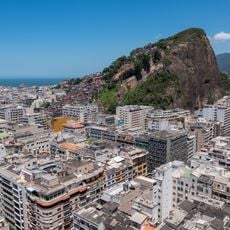
Copacabana is a beach neighborhood on the Atlantic coast of Rio de Janeiro in Brazil. The roughly 4-kilometer shoreline offers light sand, high-rise buildings behind it, and Avenida Atlântica runs alongside the water with a black-and-white wave mosaic pavement.
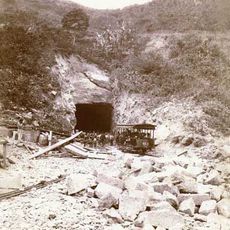
In the 18th century, the area took its current name after a chapel was built holding a replica of the Virgin of Copacabana, replacing the earlier name Sacopenapã. Over the following centuries, the former fishing settlement grew into one of Rio's most recognized neighborhoods, especially after hotels opened and tram lines connected it to the city center.
On New Year's Eve, locals and visitors dress in white and throw flowers into the sea, honoring Yemanjá, the Afro-Brazilian goddess of the ocean. The fireworks over the water draw millions to the sand each year, where music and religious ceremonies fill the night.
Access is easy through three subway stations and around forty bus routes running along the coast and into the center. Hotels and lodging concentrate near the beachfront promenade, and visits are possible year-round, with weekends and holidays being the busiest times.
The Copacabana Palace Hotel, opened in 1923, drew international stars and served as a filming location for scenes in the movie Flying Down to Rio with Fred Astaire and Ginger Rogers. The building remains a symbol of Rio's golden age of tourism and still welcomes guests along the beachfront.
The community of curious travelers
AroundUs brings together thousands of curated places, local tips, and hidden gems, enriched daily by 90,748 contributors worldwide.