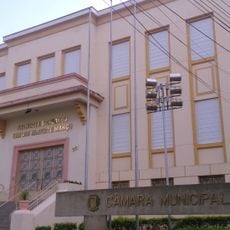
Museu Histórico de Jaboticabal, Historical museum in Jaboticabal, Brazil.
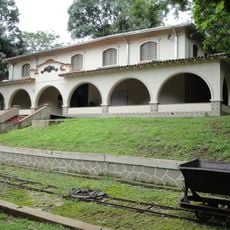
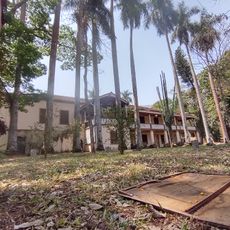
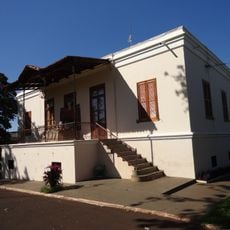
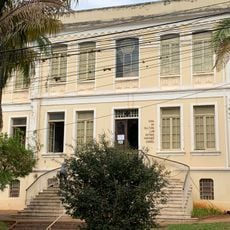
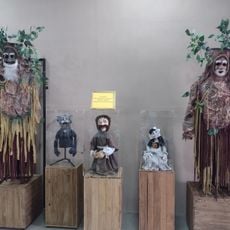
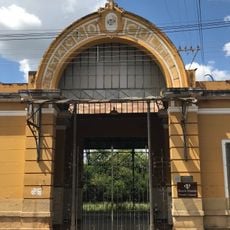
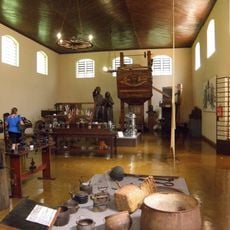
The Museu Histórico de Jaboticabal occupies a grand mansion from the 1920s, originally constructed by a Syrian immigrant. Multiple exhibition rooms house collections of local artifacts, photographs, and archaeological discoveries from the region.
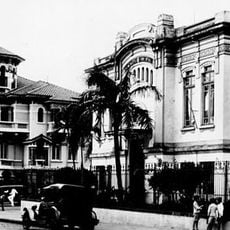
Created by Municipal Law No. 664 of 17 November 1965 under mayor Alberto Bottino, the museum was first called Museu de Arte e Histórico de Jaboticabal. It opened on 16 July 1979, during the city's 71st anniversary, in the Palacete da Turca, a 757 m² house built in the 1920s by Syrian immigrant Azize Abicalil. Lawyer Dorival Martins de Andrade drove its creation, and a 2005 reorganisation introduced thematic rooms.
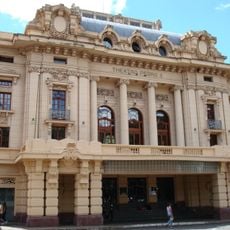
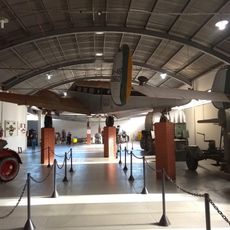
The building is known as Palacete da Turca, after Azize Abicalil, the Syrian immigrant who commissioned it in the 1920s in a Greco-Roman style. The museum keeps a collection of uniforms, trophies and medals from the Jaboticabal Atlético football club, alongside objects tied to the 1932 Constitutionalist Revolution and the Second World War.
The Palacete da Turca has a ground floor and two upper floors, with exhibition rooms on each level. The building shows wall and roof infiltration, and the museum's object register has not been updated for over two decades, so labels and records may be incomplete. A small library on local history is kept on site.
A special collection focuses on Brazilian railroad history and features rare items related to the region's railway heritage. This section originated from a significant donation by a local enthusiast and attracts visitors interested in transportation history.
The community of curious travelers
AroundUs brings together thousands of curated places, local tips, and hidden gems, enriched daily by 92,891 contributors worldwide.