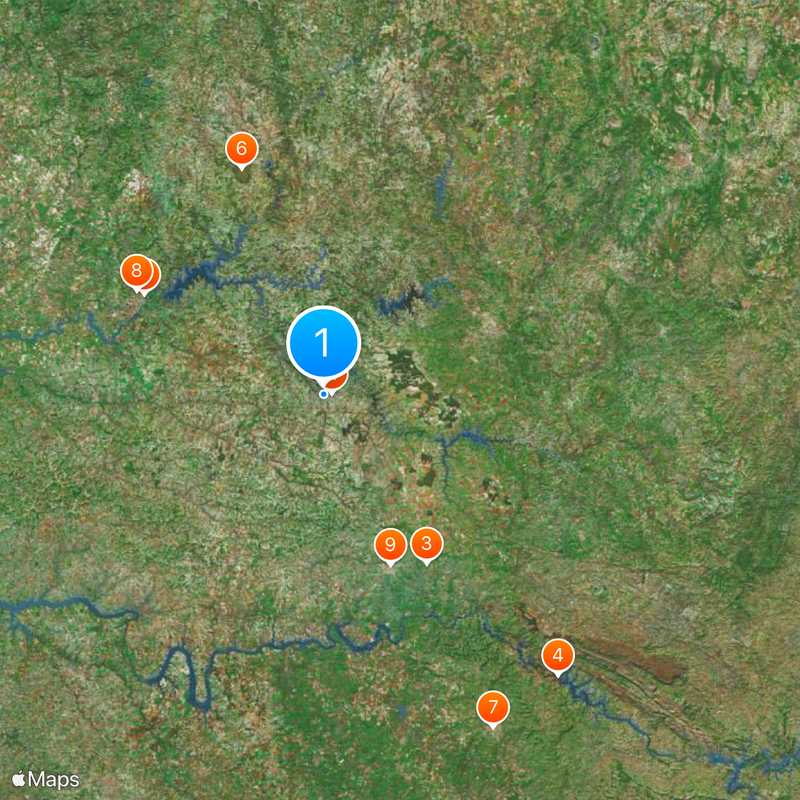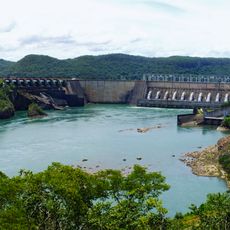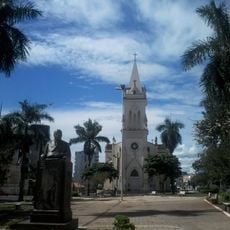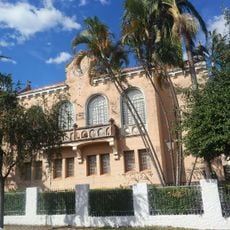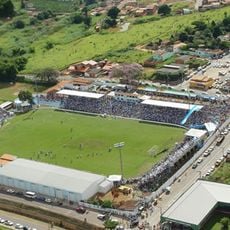
Mineiro Triangle and Upper Paranaíba, Agricultural mesoregion in Minas Gerais, Brazil.
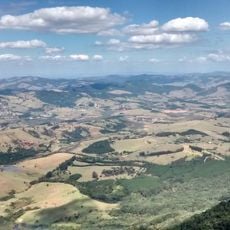
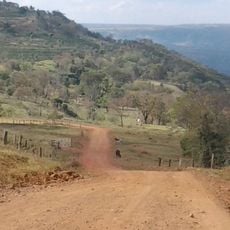
The Mineiro Triangle and Upper Paranaíba encompasses 66 municipalities spread across seven microregions and forms one of the country's major agricultural landscapes in southeastern Brazil. The area is shaped by coffee, corn, and soybean cultivation alongside large-scale dairy farming operations.
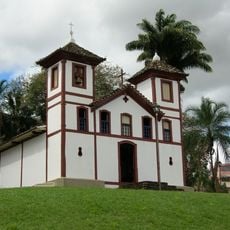
The region developed during Brazil's colonial period through gold mining, which attracted early settlements and drove economic expansion. Over time, the focus shifted to livestock and agriculture, which continue to define the economy today.
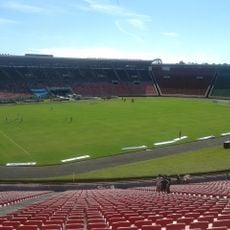
Local agricultural trade shows like Expozebu and Fenamilho reflect how farming traditions shape community identity in this region. These gatherings bring together farmers, livestock breeders, and families, defining how people here see themselves and their work.
The region is well suited for agricultural visits, as farms and rural areas are easily accessible with established infrastructure. Visitors should expect warm and humid weather, with the best time to explore falling between harvest seasons.
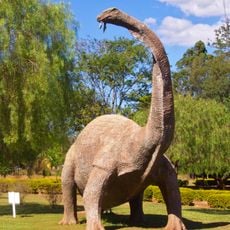
Near Prata in 1998, workers uncovered the fossil of Maxakalisaurus topai, an 80-million-year-old titanosaur from the Mesozoic era. This discovery placed the region on the paleontological map of South America.
The community of curious travelers
AroundUs brings together thousands of curated places, local tips, and hidden gems, enriched daily by 60,000 contributors worldwide.