Sudeste, Administrative region in Brazil
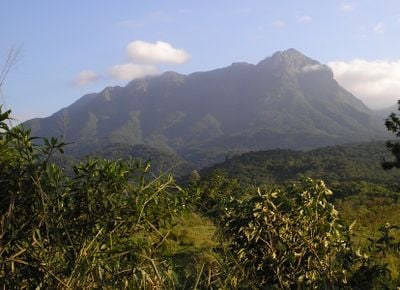
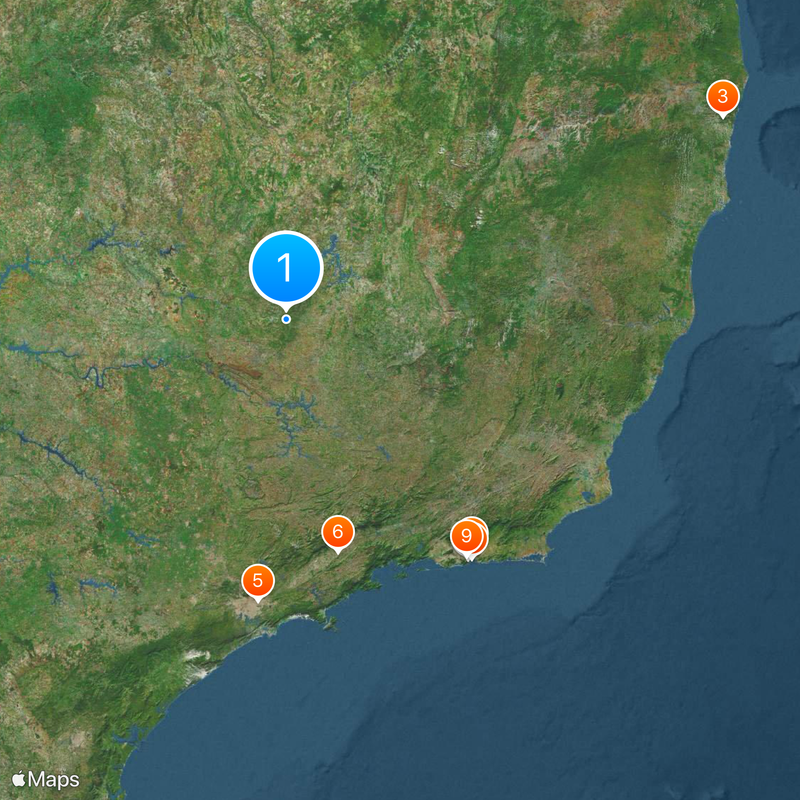
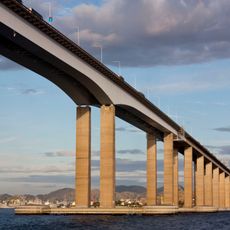
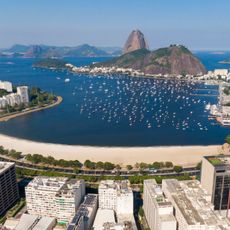
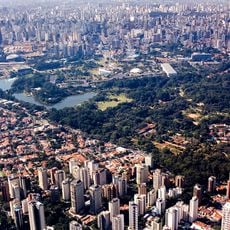
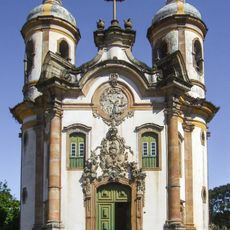
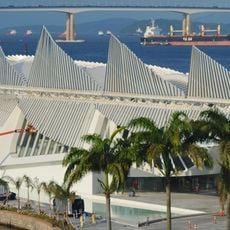
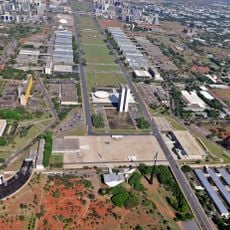
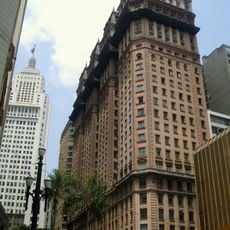
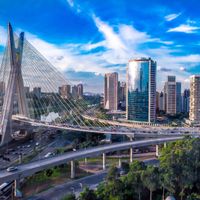
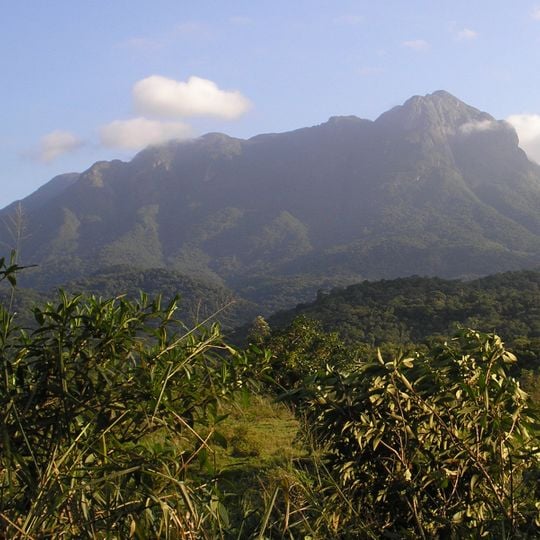
This administrative division comprises four states: Espírito Santo, Minas Gerais, Rio de Janeiro, and São Paulo, together forming a large portion of Brazilian territory. The area stretches from the Atlantic coast inland, encompassing coastal cities, mountain ranges, and wide agricultural zones.
The area grew in importance during the 18th century when Rio became the capital, a shift connected to the gold rush in Minas Gerais. This development moved the country's economic and political center southward and shaped the role of the area ever since.
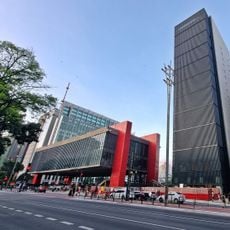
The area shapes Brazilian daily life through its cuisine, music styles, and ways of celebrating that vary from state to state. Visitors experience samba in Rio, bar culture in São Paulo, and inland traditions in Minas Gerais that show up in how people spend their time.
The infrastructure includes several international airports and a dense network of highways and bus routes that link major cities and smaller towns. Travelers find good connections here to move between coastal areas, mountains, and inland zones.
Much of Brazilian coffee, sugarcane, and tropical fruit grows here, shaping the countryside in many areas. Driving through rural zones, you often see endless plantations that reveal the economic weight of the territory.
The community of curious travelers
AroundUs brings together thousands of curated places, local tips, and hidden gems, enriched daily by 91,398 contributors worldwide.