Pilot Plan of Brasília, Modernist urban ensemble in Brasília, Brazil.
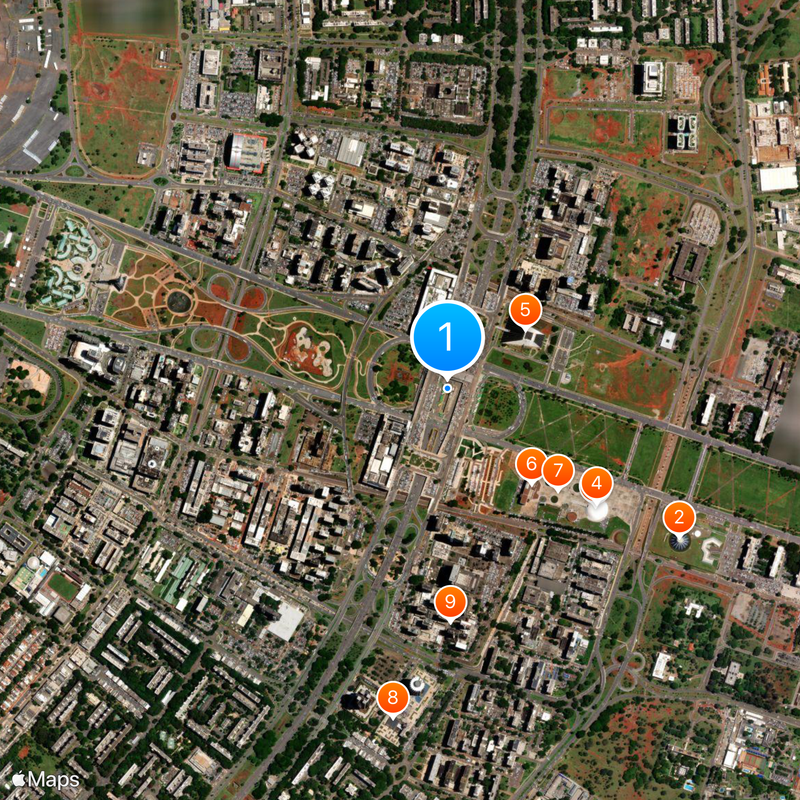
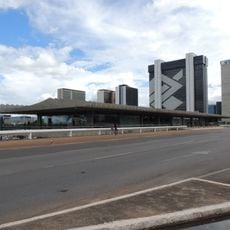
The Pilot Plan of Brasília is the urban design blueprint for a capital city built around two intersecting axes that separate different functions. The monumental east-west axis carries government buildings and cultural institutions, while curved residential towers line the north-south wings.
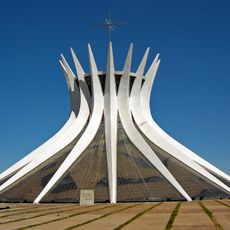
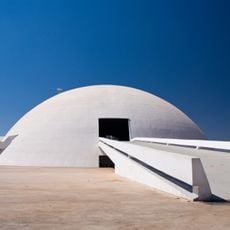
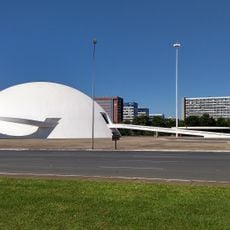
President Juscelino Kubitschek commissioned Lucio Costa in 1957 to design the new capital city meant to populate the interior. Oscar Niemeyer took charge of designing the major buildings, and the city was completed in fewer than four years.
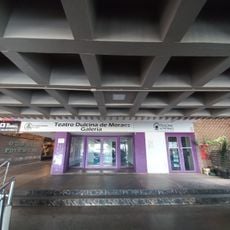
Residents organize daily life along the clearly separated functional zones, with each superquadra block working as a self-contained neighborhood with shops and services on ground level. The free-standing pillars beneath residential buildings create covered public spaces that locals use for gatherings and events.
The best views of the overall layout appear from elevated points like the television tower, where the wing shape becomes clear. Visiting in early morning or late afternoon shows the concrete structures in softer light and makes the distances between sectors more manageable.
The residential blocks stand on stilts, leaving the ground beneath permeable for pedestrians and creating continuous green areas. Each housing sector was planned without fences or walls to encourage equal social mixing.
The community of curious travelers
AroundUs brings together thousands of curated places, local tips, and hidden gems, enriched daily by 91,488 contributors worldwide.