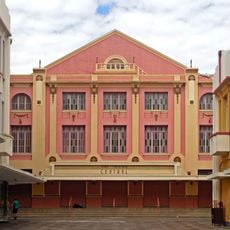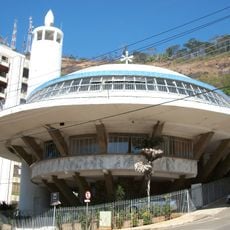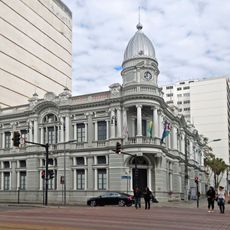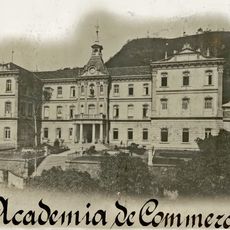
Juiz de Fora, Educational and industrial center in Minas Gerais, Brazil
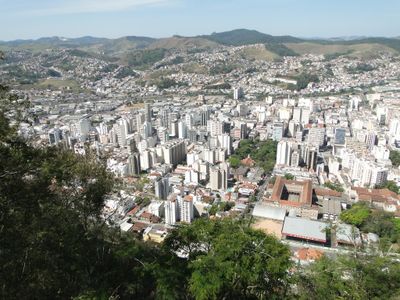
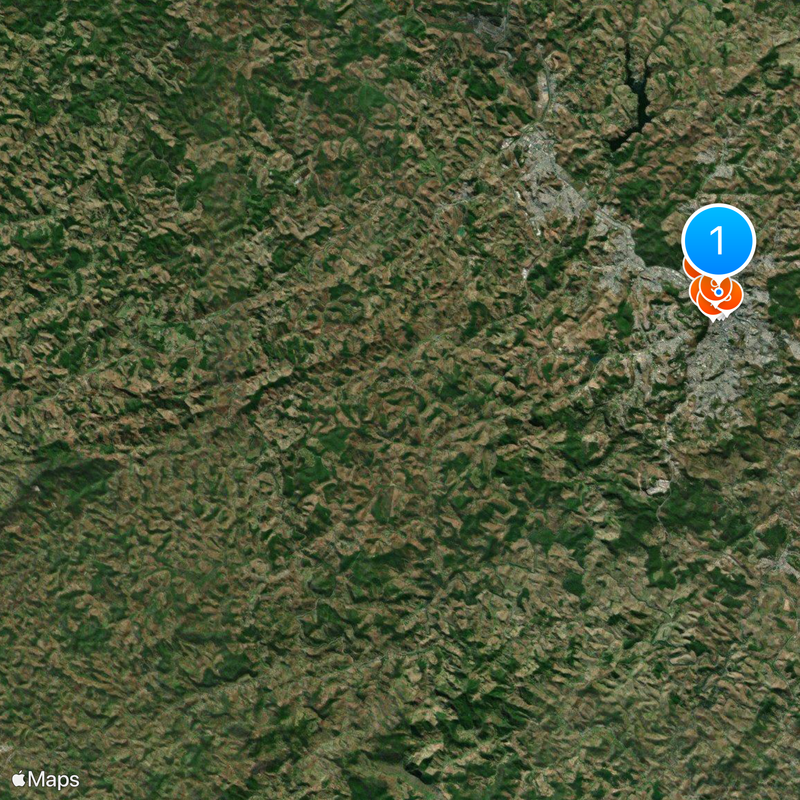
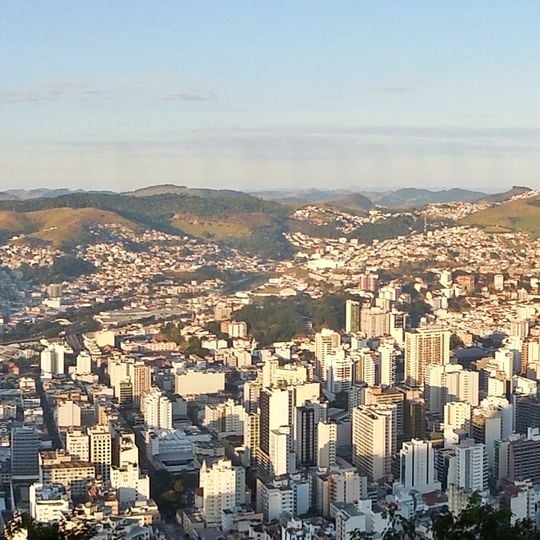
Juiz de Fora is a major city in southeastern Brazil, located in the Zona da Mata region of Minas Gerais, about 678 meters (2,224 feet) above sea level between mountain ranges. The city spreads across a hilly area, crossed by the Paraibuna River and its tributaries, with several neighborhoods arranged along the valleys and hillsides.
The settlement began in the 18th century as a resting point along the Caminho Novo, a connecting road between Rio de Janeiro and the gold mines inland. The city developed into an important industrial center in the 19th century after the Dom Pedro II railway line was built and German immigrants established textile factories.
The name means "Justice of the Peace" and recalls the early administrative structure of the region, when magistrates governed rural areas. The city serves as an important center for education and the arts in the Zona da Mata region of Minas Gerais, with an active theater scene and numerous concerts throughout the year.
The BR-040 federal highway connects the city to Rio de Janeiro, Belo Horizonte, and São Paulo, allowing travel to the largest metropolitan areas in the southeast. Several bus terminals in the city center offer regional and long-distance connections, while local buses serve the different neighborhoods.
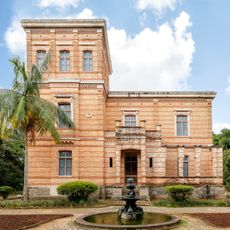
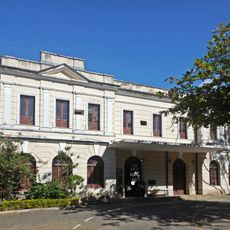
The Mariano Procópio Museum holds an important collection of objects from the Brazilian imperial period, including paintings, furniture, and personal items from the royal family. The city was one of the first in Brazil to receive electric street lighting, back in the late 19th century.
The community of curious travelers
AroundUs brings together thousands of curated places, local tips, and hidden gems, enriched daily by 91,391 contributors worldwide.