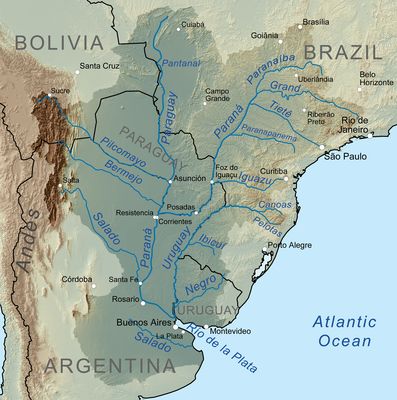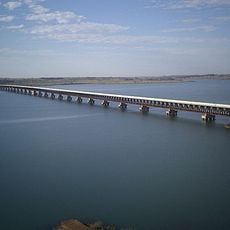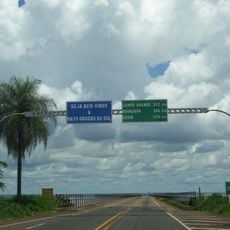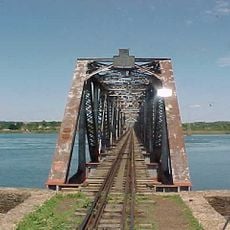
Parana River Basin, Major drainage basin in South America.
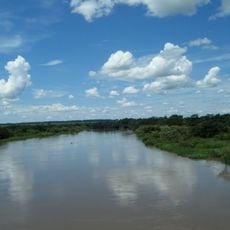
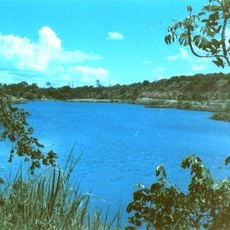
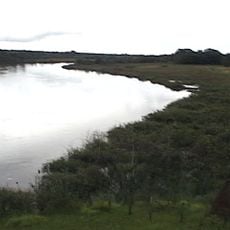
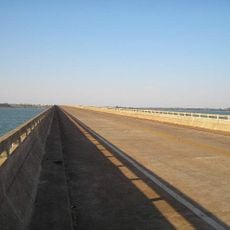
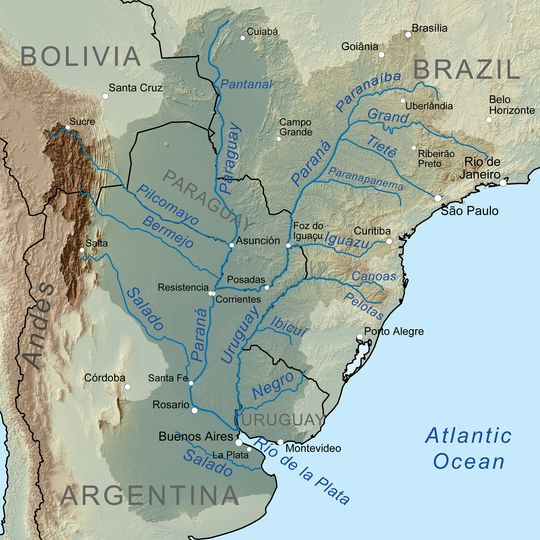
The Paraná River Basin is a major drainage system spanning multiple South American countries and connecting four nations through its waterways. The system includes numerous rivers and streams on the surface, as well as a vast underground aquifer beneath it that supplies water to millions of people.
The drainage system formed through geological processes spanning millions of years, with layers from different prehistoric eras stacking upon each other over time. Scientific study of the region began less than two centuries ago when governments first systematically investigated its resources and structure.
The river system has drawn people to settle and work, shaping the towns and villages that developed along its banks over generations. Today it remains a place where fishing communities, farmers, and workers at hydroelectric facilities depend on the waters and connect across borders.
The best time for exploring is during the dry season, when water levels are lower and riverbanks become more accessible for walking and viewing. Access points are scattered across local communities, and it helps to ask locals for directions to the nearest launching points or observation areas.
Beneath the surface lie rock layers older than 300 million years that originated from ancient seas covering the world in prehistoric times. These ancient sediments tell the story of how this part of the earth transformed over incredibly long periods, revealing evidence of vanished oceans and shifting continents.
The community of curious travelers
AroundUs brings together thousands of curated places, local tips, and hidden gems, enriched daily by 60,000 contributors worldwide.