Itatiaia National Park, National park in Rio de Janeiro and Minas Gerais, Brazil
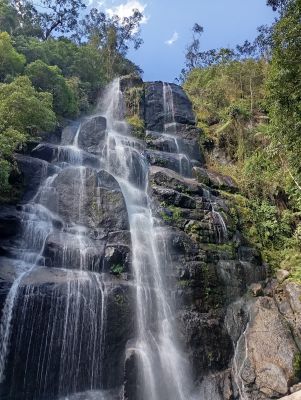
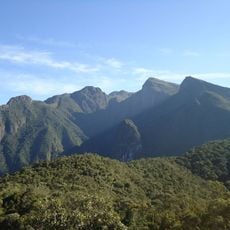
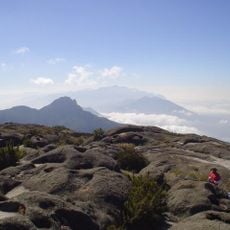
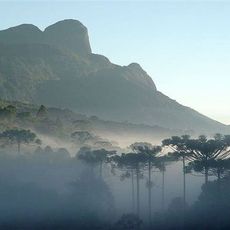
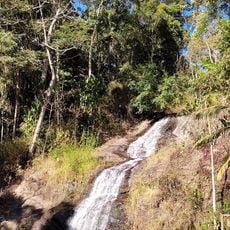
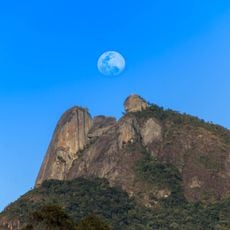
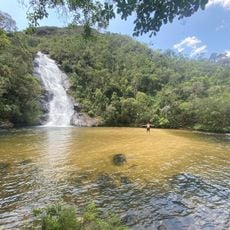
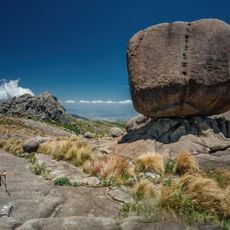
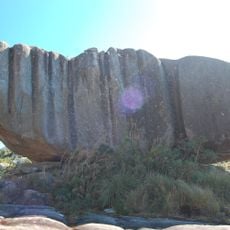
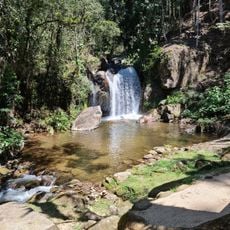
Itatiaia National Park covers the Itatiaia massif in the Mantiqueira range, from 540 to 2,791 metres, and is split into a lower section of Atlantic Forest with rivers, waterfalls and natural pools, and an upper plateau of rocky peaks. The lower part holds the visitor centre and museum; the high part is reached by a separate entrance about 35 km away. Its rocks are rare alkaline types such as nepheline syenite.
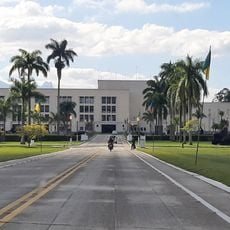
President Getúlio Vargas founded this protected area in 1937 and made it the first national park of Brazil on land that previously belonged to Visconde de Mauá. The establishment marked a turning point in Brazilian conservation and served as a model for later protected areas across the country.
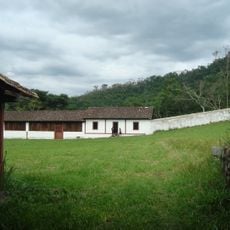
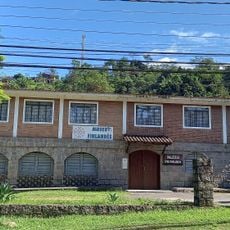
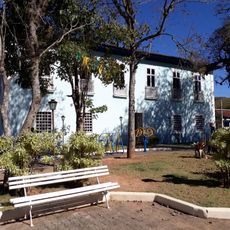
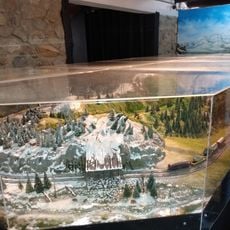
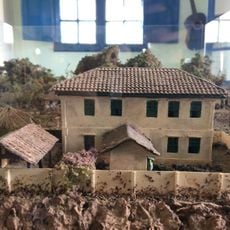
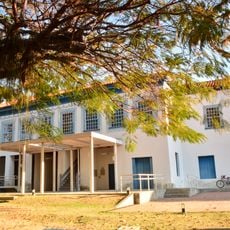
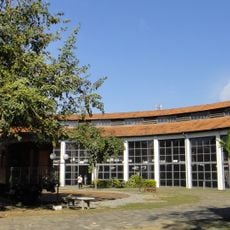
The name comes from the Tupi language and refers to the indigenous heritage of this region through its meaning as many-pointed rock or stone peaks. Visitors can find today in the lower section of the park a museum that presents the natural and human story of the area.
The area divides into a lower section with a visitor center and an upper highland part that can be reached via a separate 35-kilometer drive. Hikers should prepare for changing weather, as the higher elevations are often cooler and windier than the lower forested zones.
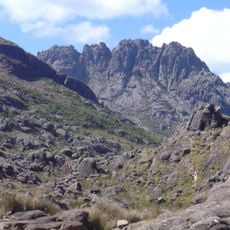
The park's name comes from Tupi and means "many-pointed rock", a reference to the jagged peaks of the Itatiaia massif. The highest of these is Pico das Agulhas Negras, the park's summit at 2,791 metres, which draws rock climbers as well as hikers.
The community of curious travelers
AroundUs brings together thousands of curated places, local tips, and hidden gems, enriched daily by 92,816 contributors worldwide.