Church of Our Lady of Ó, Colonial church in Sabará, Brazil
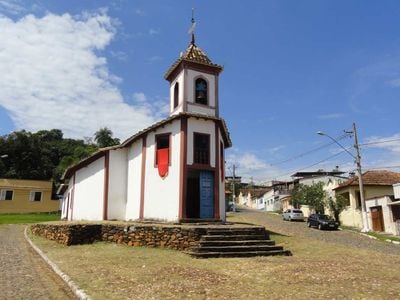
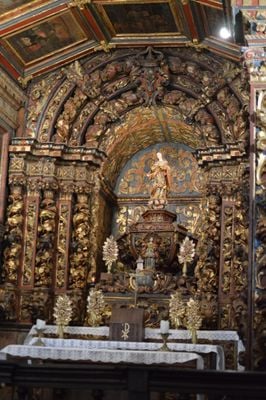
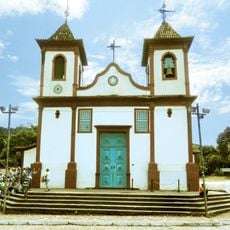
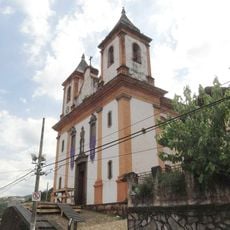
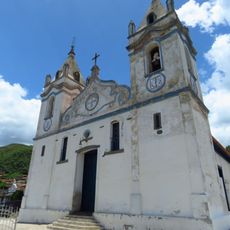
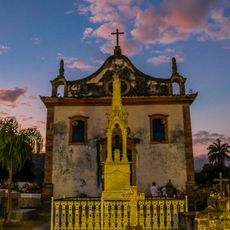
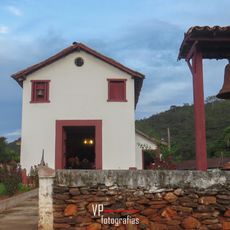
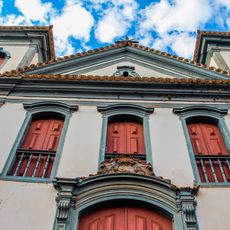
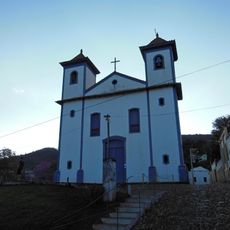
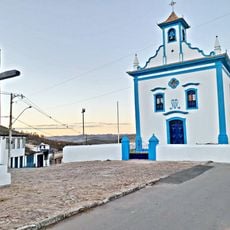
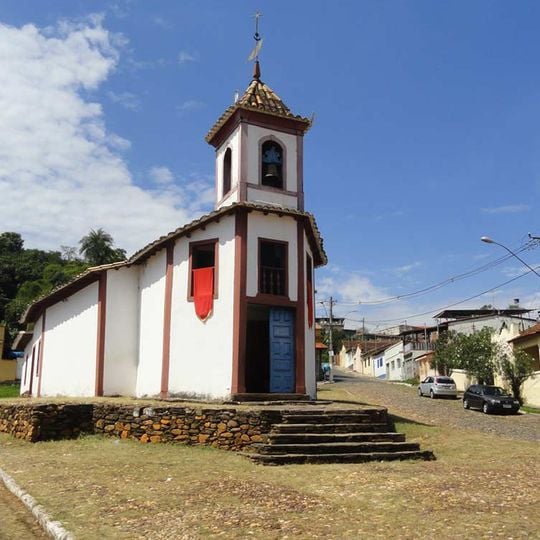
The Church of Our Lady of Ó is a small Catholic chapel in Sabará with a chamfered three-plane facade, a bell tower over the entrance, and a single nave leading to a smaller chancel. Its walls are made of wood and adobe, and the interior is lined with wooden panels, paintings, and gilded carving. The floor is made of tomb slabs, and the high altar is the only one in the church.
Construction began in 1717, before the Sabará town council granted formal permission on 1 January 1718. In 1719 captain-major Lucas Ribeiro de Almeida hired Manuel da Mota Torres to finish the structure that same year, and decoration followed; an ex-voto of 1720 records the consecration feast. The bell tower was added at the end of the 18th century, and its bell dates from 1782.
The name "do Ó" comes from the exclamation "Oh!" that opened antiphons sung on the eve of the feast of Our Lady of Expectation. The devotion reached Brazil from Toledo, Spain, via Duarte Coelho, and likely arrived in Sabará with the Paulista bandeirantes. Inside, the nave ceiling holds fifteen painted panels, among the oldest in Minas Gerais.
The church is located in the old town and is easily reached on foot; the best time to visit is early morning or late afternoon when fewer people are around. It helps to wear comfortable shoes since the surrounding streets are narrow and paved with stones.
Six octagonal panels around the chancel arch and one rectangular crowning panel show pagodas and birds in an Orientalising style known as chinesices, painted alongside the biblical scenes. They are among the nave's oldest paintings in Minas Gerais.
The community of curious travelers
AroundUs brings together thousands of curated places, local tips, and hidden gems, enriched daily by 92,805 contributors worldwide.