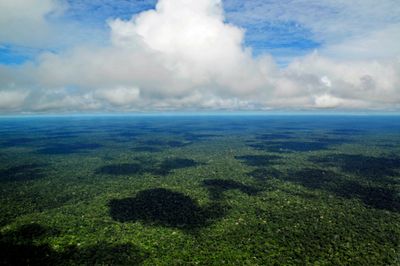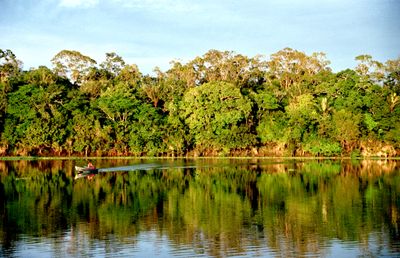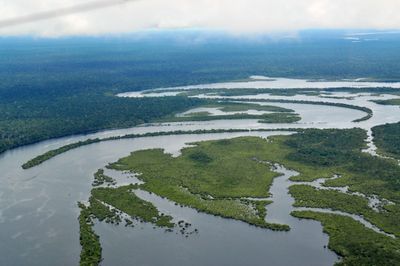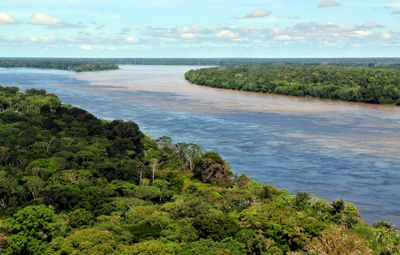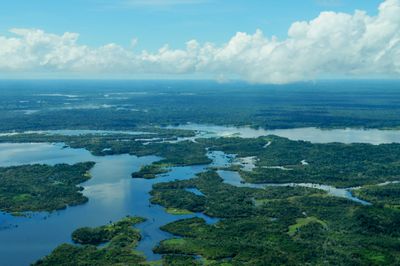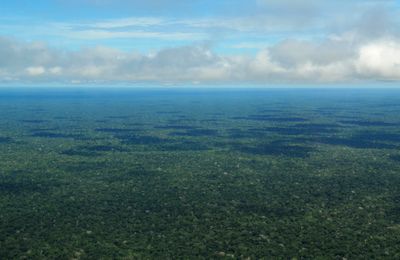
Amazon rainforest, Tropical rainforest in South America
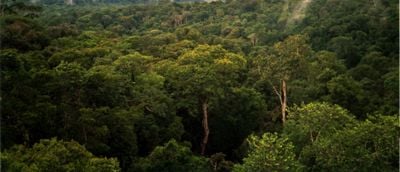
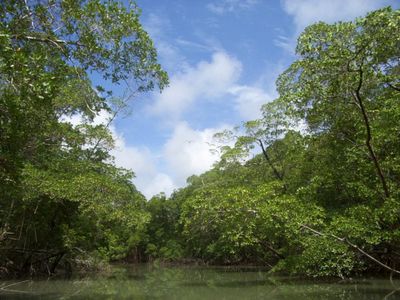
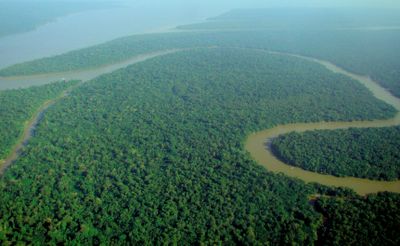
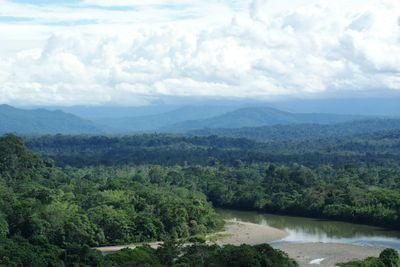
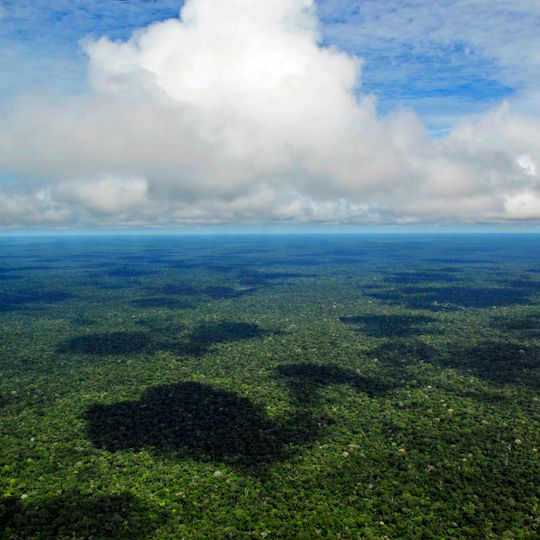
The Amazon rainforest is a tropical forest that spans nine South American countries, crossed by a dense web of rivers and streams. It is organized in layers, from the high tree canopy down to the shaded forest floor where vines hang between trunks.
European explorers first crossed the region in the mid-1500s, finding established settlements along the main rivers. Those encounters set off deep changes that shaped the local populations and land use for centuries.
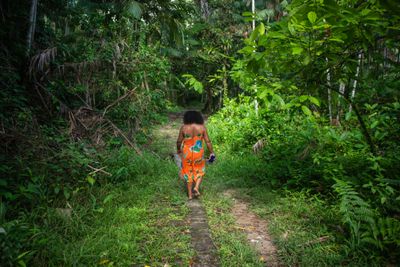
Some indigenous groups living deep in the forest still build their homes from local wood and leaves, using techniques passed down over generations. On guided visits, travelers can watch how these communities read the forest to find food, medicine, and shelter.
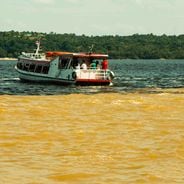
Getting into the interior means traveling by river or small aircraft, since roads are rare and often impassable. Local guides are needed to navigate trails and waterways, especially because conditions change noticeably between the wet and dry seasons.
The forest floor holds very few nutrients, because almost all of them stay locked inside living plants rather than in the soil. When leaves or branches fall, fungi and insects break them down so fast that the nutrients are taken back up within days.
The community of curious travelers
AroundUs brings together thousands of curated places, local tips, and hidden gems, enriched daily by 90,758 contributors worldwide.