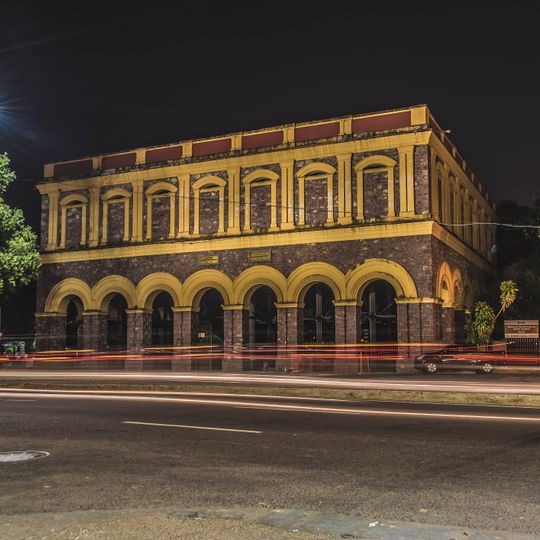
Mocó Reservoir, Renaissance water reservoir in Adrianopolis, Manaus, Brazil
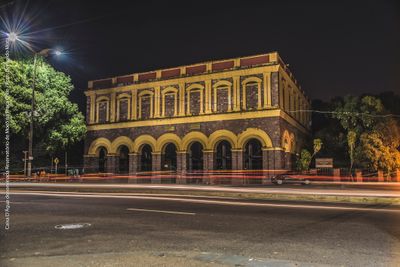
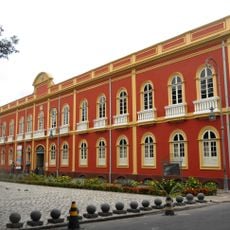
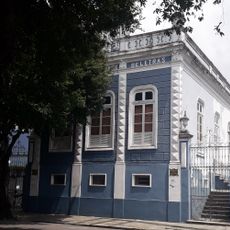
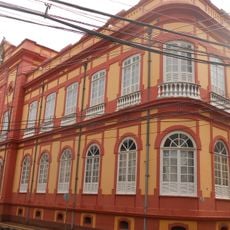
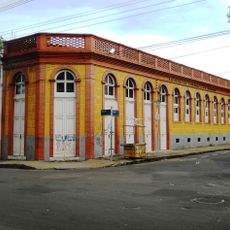
Mocó Reservoir is a Renaissance water tower in Adrianópolis with a cast iron interior frame enclosed by masonry walls featuring seven arches. Decorative windows on the second floor break up the exterior surface and add visual interest to the building.
Construction took place between 1896 and 1899 under architect Frank Hirst Hebblethwaite to meet Manaus' growing water needs. The structure earned national monument status in 1985 when recognized by Brazil's heritage agency.
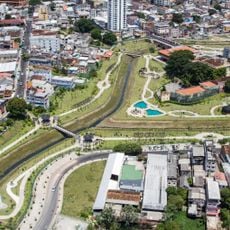
The name references the nearby igarapé do mocó waterway, linking the structure to the natural geography that shaped Manaus. Locals and visitors recognize how this water connection influenced the building's position and its role in the city's daily life.
The site sits in a central part of Adrianópolis and is easily visible and accessible from nearby streets. Since the structure remains in active use for water supply, interior access may not always be available, so check ahead.
The structure showcases rare examples of cast iron construction from the Belle Époque period in the Amazon region, highlighting its technical significance. This building method was unusually advanced for infrastructure projects in remote areas at that time.
The community of curious travelers
AroundUs brings together thousands of curated places, local tips, and hidden gems, enriched daily by 60,000 contributors worldwide.