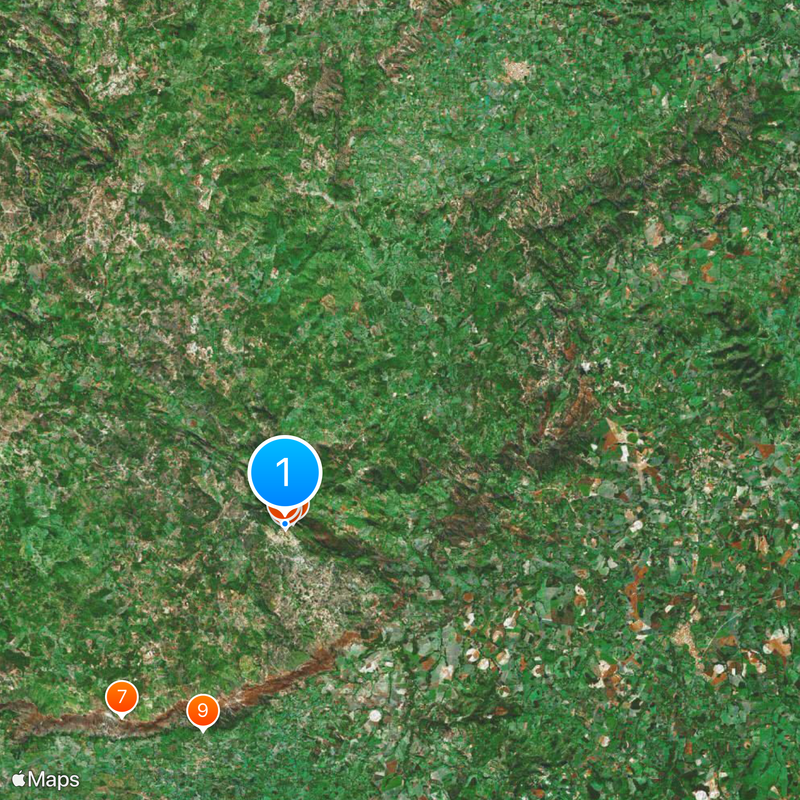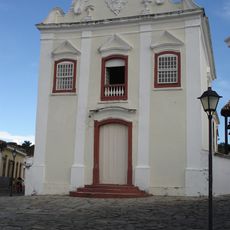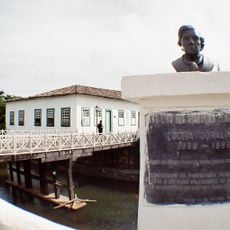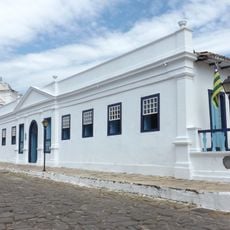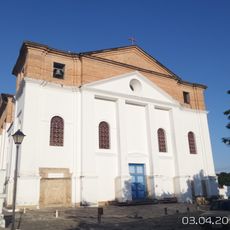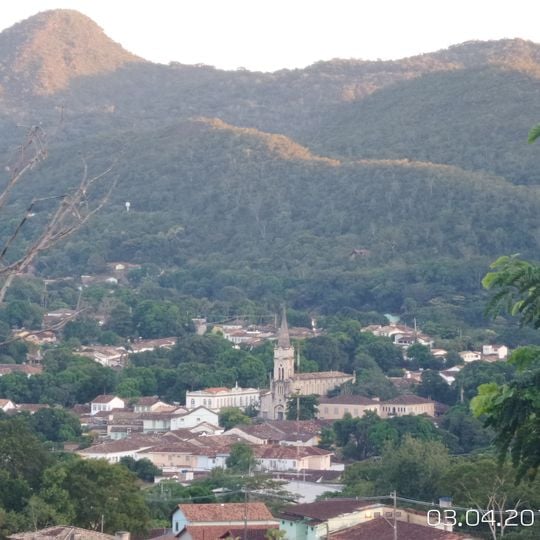
Goiás, State territory in Central Brazil
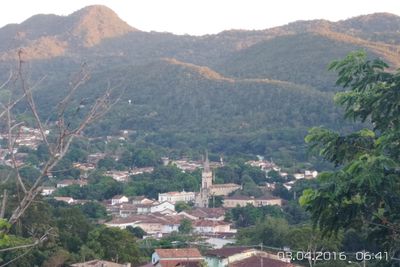
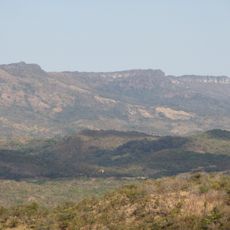
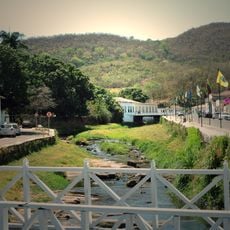
Goiás stretches across the Brazilian Highlands with plateaus between 750 and 900 meters (2,460 to 2,950 feet) above sea level. The landscape alternates between open savanna areas and gentle hills with scattered forest strips along the rivers.
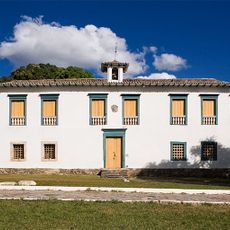
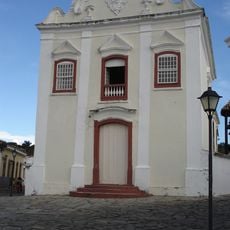
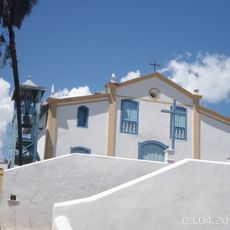
Gold discovery in 1682 by Bartolomeu Bueno da Silva led to the first European settlement in the region. Mining camps later developed into towns and trading routes across the highlands.
Regional cooking uses pequi fruit in many dishes and shows the close connection between local ingredients and eating habits. This culinary tradition still shapes daily life in towns and countryside today.
The road network connects major towns with Goiânia serving as the main transport hub. For overland travel, pay attention to road conditions especially during the rainy season between November and March.
The rivers divide the territory into three major drainage systems and form natural boundaries between the Paranaíba, Araguaia and Tocantins basins. Many of these watercourses originate in the central plateaus and flow in different directions.
The community of curious travelers
AroundUs brings together thousands of curated places, local tips, and hidden gems, enriched daily by 90,744 contributors worldwide.