Museu das Bandeiras, Colonial museum in Goiás, Brazil.
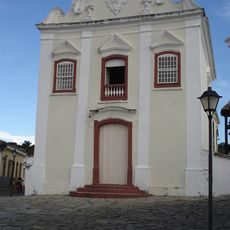
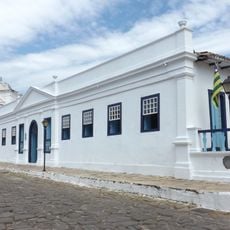
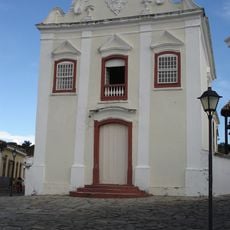
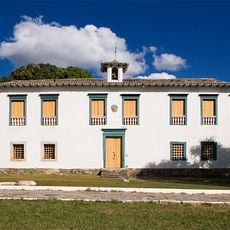
The Museu das Bandeiras is a colonial masonry building in Goiás containing over 500 historical objects that document the region's past. The structure itself features traditional colonial architecture with thick walls and rooms arranged around the way people once worked and lived in this settlement.
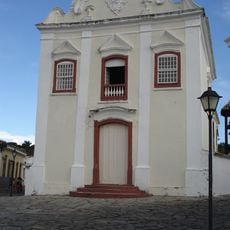
Construction of the Casa de Câmara e Cadeia began in 1761 by order of King José I and was completed in 1766. The ground floor held the jail until 1950, while the upper halls served legislative and judicial functions. After Goiás lost capital status in 1937, the building was adapted in the 1950s for the Museu das Bandeiras and listed by IPHAN in 1951.
The collection reflects Portuguese, Indigenous, and African presence through religious artworks, household items, and weapons that show how different groups lived together in this region. Walking through the rooms, visitors encounter personal objects and crafted pieces that reveal daily life across centuries.
The museum occupies the upper floor of the former town hall and jail on the high side of one of Goiás's main squares; a wooden staircase links the two levels, and trapdoors in the upper floor once opened onto the prison rooms below. The ground-floor jail access was rebuilt in the 1950s for visitors. Allow time to read the labels on the 573-piece collection.
The building was listed by IPHAN in 1951, before the museum opened. Its collection numbers 573 pieces, including gold-mining tools and porcelain. Since 2006 it has displayed the original Cruz de Anhanguera, left by Bartolomeu Bueno da Silva on the banks of the Rio Paranaíba.
The community of curious travelers
AroundUs brings together thousands of curated places, local tips, and hidden gems, enriched daily by 93,642 contributors worldwide.