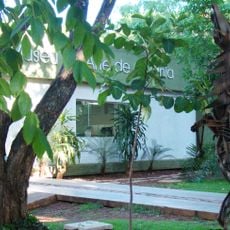
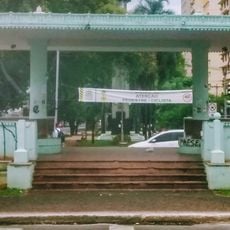
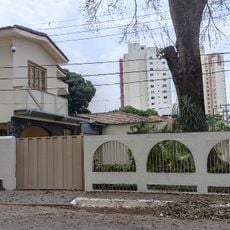
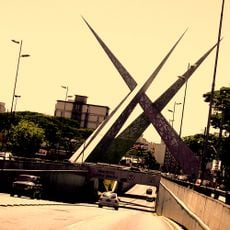
Museu Zoroastro Artiaga, State museum on Praça Cívica, central Goiânia, Brazil
The Museu Zoroastro Artiaga is a museum in Goiânia housing more than four thousand objects, including indigenous items, sacred art, minerals, and regional historical documents across a two-story building. The collection spans both levels with exhibition halls on the ground floor and administrative areas upstairs.
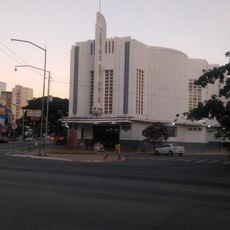
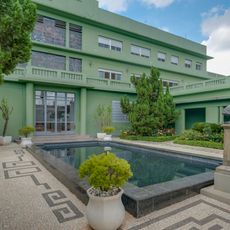
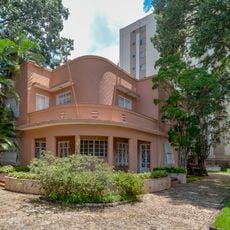
Created on 6 February 1946 by Decree-Law No. 383 and opened that July, the museum was first called Museu Estadual de Goiás. Its first director, Zoroastro Artiaga, gathered the founding collections: historical documents, rocks, Goiás folklore pieces and indigenous artifacts. In 1965 it took his name. The building, erected 1942–1943 by Polish engineer Kazimierz Bartoszewski, was listed as state heritage in 1998 and by IPHAN in 2004.
The museum's name honors Zoroastro Artiaga, its first director, who gathered rocks, folklore pieces and indigenous artifacts. A room displays his documents, photographs and personal objects. The collection also includes replicas of Goiás's first newspapers and baroque sacred images from the 17th to 20th centuries.
The museum is located at Praça Cívica in downtown Goiânia and is therefore easy to find. Visitors can explore the exhibition halls and book guided tours to learn more about the collections.
The museum keeps an audio collection of more than one thousand 78 rpm records that document the musical history of Goiás state. This rare collection tells the region's sonic past through preserved recordings.
The community of curious travelers
AroundUs brings together thousands of curated places, local tips, and hidden gems, enriched daily by 92,854 contributors worldwide.