Historic center of Pirenópolis, Colonial heritage site in Pirenópolis, Brazil
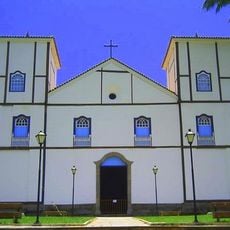
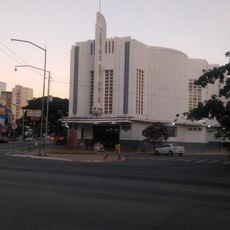
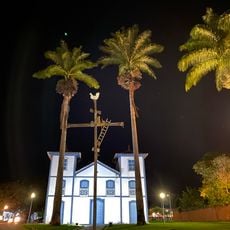
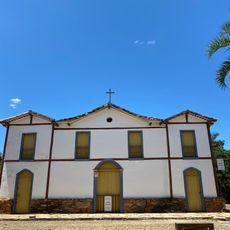
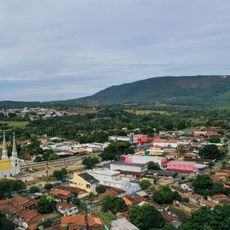
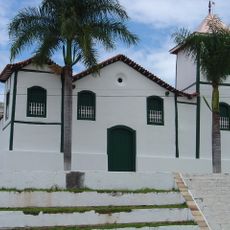
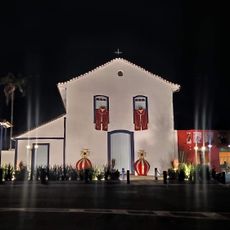
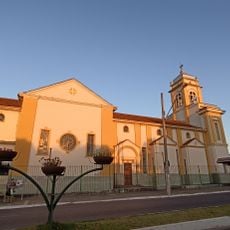
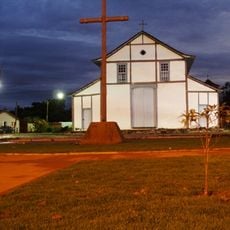
The Historic Center of Pirenópolis covers the oldest part of the town, founded on 7 October 1727 in Goiás. IPHAN listed the entire urban perimeter in 1989 as the Conjunto Arquitetônico, Urbanístico e Paisagístico de Pirenópolis, 17 hectares in all. Its baroque street plan is irregular and colonial, adapting organically to the terrain and shaped by religious architecture; civil buildings are simpler, with stone or wooden balconies, adjoining facades and large backyards suited to the tropical climate. Landmarks include the Igreja Matriz de Nossa Senhora do Rosário, the Igreja de Nossa Senhora do Carmo, the Igreja de Nosso Senhor do Bonfim, the Cine Teatro Pireneus, the Casa de Câmara e Cadeia, the Ponte sobre o Rio das Almas, the Ponte Pênsil Dona Benta and the Theatro Sebastião Pompeu de Pina.
Pirenópolis was founded on 7 October 1727 and became an economic hub in the early 18th century during Brazil's gold boom. The town's architecture stayed preserved until the early 21st century largely because of economic stagnation, which limited rebuilding. Preservation began in the 1940s with the listing of the Igreja Matriz de Nossa Senhora do Rosário; the Fazenda Babilônia was listed in 1965, and in 1989 IPHAN listed the main monuments as a group and Congress declared the site a National Monument.
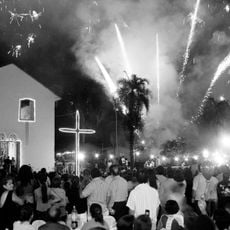
The Festa do Divino, held each year at Pentecost, was registered by IPHAN in 2010 in the Livro de Registro das Celebrações and called one of the most expressive celebrations of the Holy Spirit in Brazil. Its procession and crowning of an emperor take place against the backdrop of the Igreja Matriz de Nossa Senhora do Rosário.
The center is easy to explore on foot, as the short blocks and narrow streets naturally encourage slower movement and give you time to notice details. Wear comfortable shoes, as the uneven cobblestones and slopes require some physical effort to navigate.
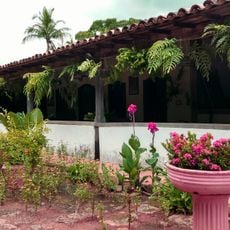
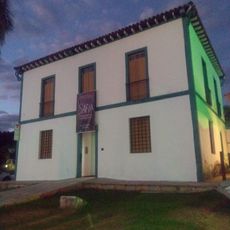
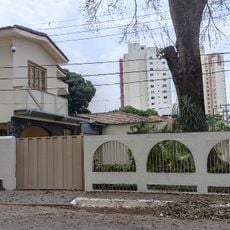
Residential buildings display Portuguese features like stone or wooden balconies and adjoining facades that set them apart from other Brazilian colonial towns. This building style developed from direct European settlement and was preserved by the area's isolated location over centuries.
The community of curious travelers
AroundUs brings together thousands of curated places, local tips, and hidden gems, enriched daily by 94,342 contributors worldwide.