City Museum of Salvador, Municipal museum in Pelourinho district, Salvador, Brazil.
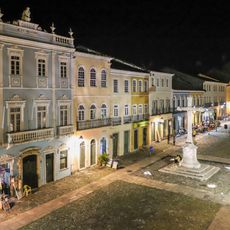
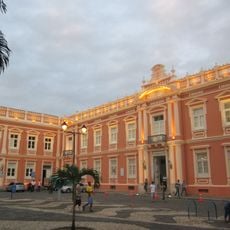
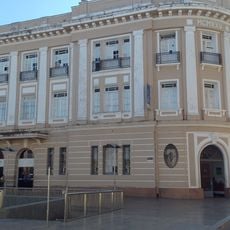
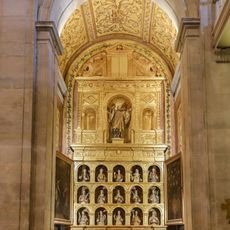
The City Museum of Salvador is housed at Largo do Pelourinho, in the historic centre of Salvador, Bahia. Inaugurated on 5 July 1973, it presents the city's history through a collection that ranges from the sacred to the profane and from old to modern pieces. Exhibits include Candomblé orixá costumes, cloth dolls depicting colonial life, ceramics, ironwork, tapestries and paintings by Bahian artists such as Mendonça Filho, Caribé, Jenner Augusto and Presciliano Silva.
The City Museum opened on 5 July 1973 in the Largo do Pelourinho area, created to tell the story of Salvador. Its collection was assembled to show the city's artistic, religious and cultural diversity, from sacred to profane objects. It holds Candomblé orixá costumes, cloth dolls depicting colonial life, and paintings by Bahian artists such as Mendonça Filho, Caribé, Jenner Augusto and Presciliano Silva.
The collection pairs Candomblé orixá costumes with cloth dolls that show how colonial life worked, alongside paintings by Bahian artists Mendonça Filho, Caribé, Jenner Augusto and Presciliano Silva. Objects linked to the poet Castro Alves, author of "O Navio Negreiro", sit among ceramics, ironwork and tapestries.
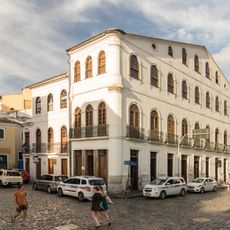
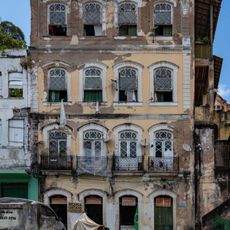
The museum sits on the Largo do Pelourinho, in the historic centre of Salvador, and is reached on foot through the surrounding colonial streets. Opening hours are not fixed in the sources, so confirm them before setting out. The square itself is the reference point for orientation in the Pelourinho quarter.
The collection includes personal objects of poet Castro Alves, who advocated against slavery in Brazil during the 1800s. These belongings connect the history of antislavery activism to the daily life and thought of that era.
The community of curious travelers
AroundUs brings together thousands of curated places, local tips, and hidden gems, enriched daily by 92,957 contributors worldwide.