São Bartolomeu Park, Nature reserve and sacred grove in Salvador, Brazil.
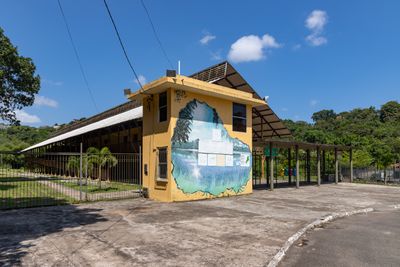
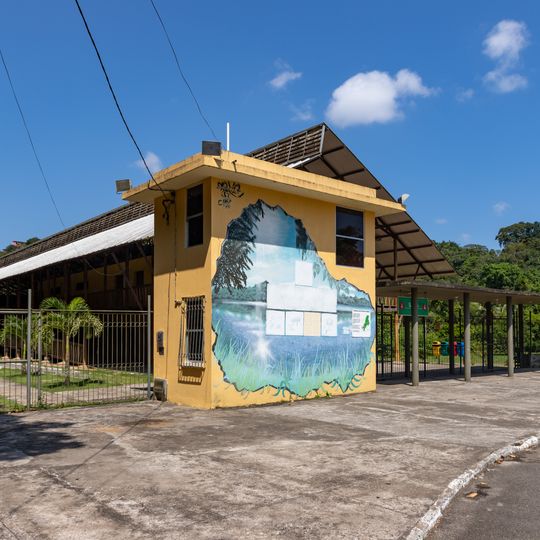
São Bartolomeu Park is a 75-hectare nature reserve between Pirajá and Enseada do Cabrito in Salvador's Subúrbio Ferroviário. It contains four waterfalls, a mangrove and the Rio do Cobre dam, within the Bacia do Cobre–São Bartolomeu environmental protection area. Remnants of Atlantic Forest cover part of the site.
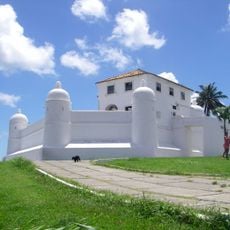
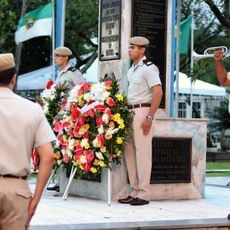
The park's Mata do Urubu woods sheltered Tupinambá people and the Quilombo dos Urubus, a community of escaped enslaved Africans. In 1823 the area was the scene of the Battle of Pirajá, part of the Bahian campaign of Brazil's War of Independence. The park was created by municipal decree, either no. 4756 of 13 March 1975 or no. 5363 of 28 April 1978, as sources disagree.
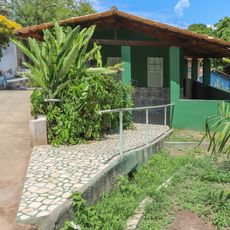
The park is a sacred site for followers of Candomblé, who make offerings at the Praça de Oxum, a square dedicated to the orixá Oxum. The Mata do Urubu, a forested area within the park, was home to Tupinambá indigenous people and to the Quilombo dos Urubus, a community of escaped enslaved Africans.
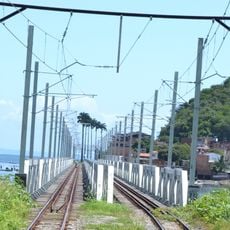
The park lies between the Pirajá neighbourhood and the Enseada do Cabrito, in Salvador's railway suburb, and is reached from the BA-528 and the Suburbana Avenue area. Public infrastructure is limited: waste collection and sanitation are scarce, so bring water and take rubbish out with you. The terrain includes the Cobre River dam, mangrove and four waterfalls, and the ground can be wet and slippery.
The park's name comes from São Bartolomeu, and its Mata do Urubu woods sheltered Tupinambá indigenous people and the Quilombo dos Urubus, a community of escaped enslaved Africans. The 75 hectares lie within the Bacia do Cobre–São Bartolomeu environmental protection area, which reaches into neighbouring Simões Filho.
The community of curious travelers
AroundUs brings together thousands of curated places, local tips, and hidden gems, enriched daily by 92,813 contributors worldwide.