Namib, Ancient desert region in southwestern Africa
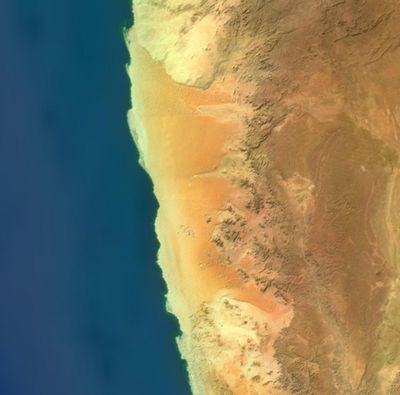
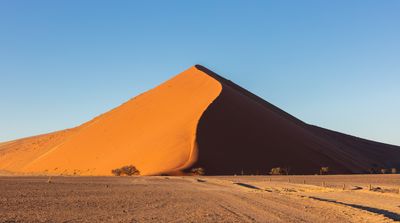
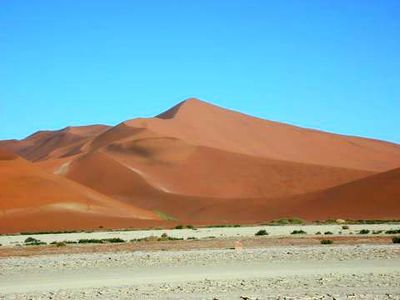
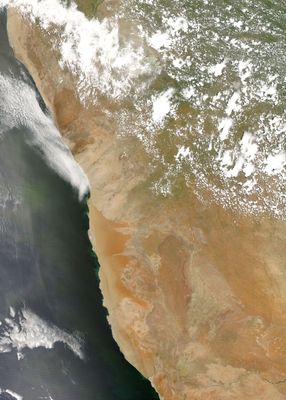
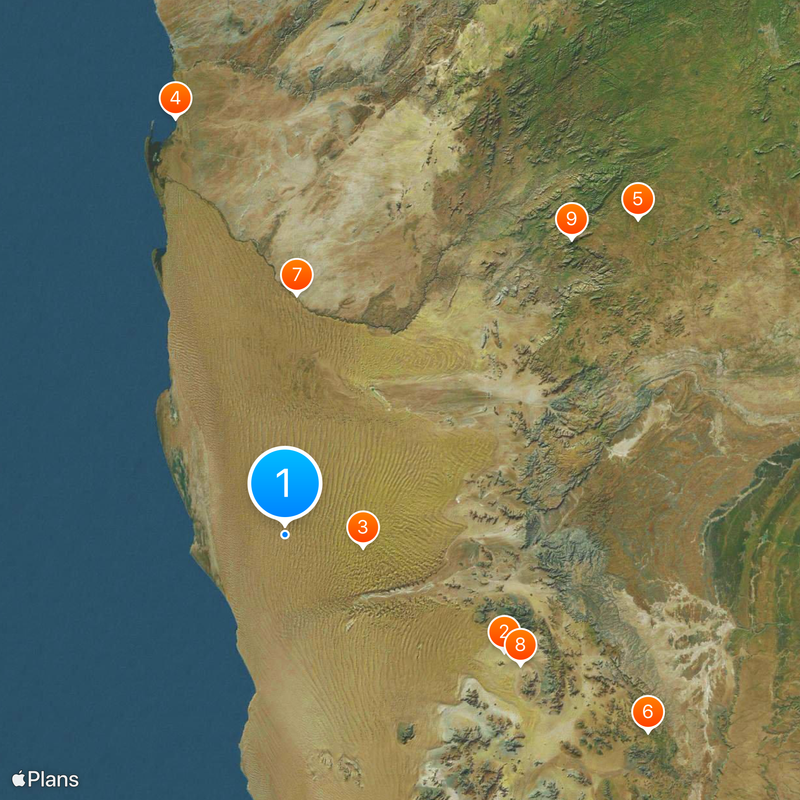
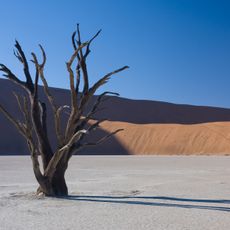
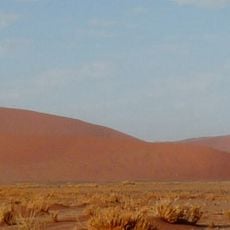
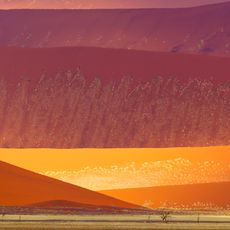
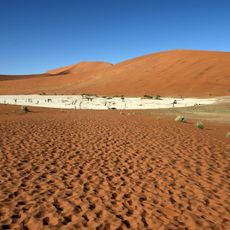
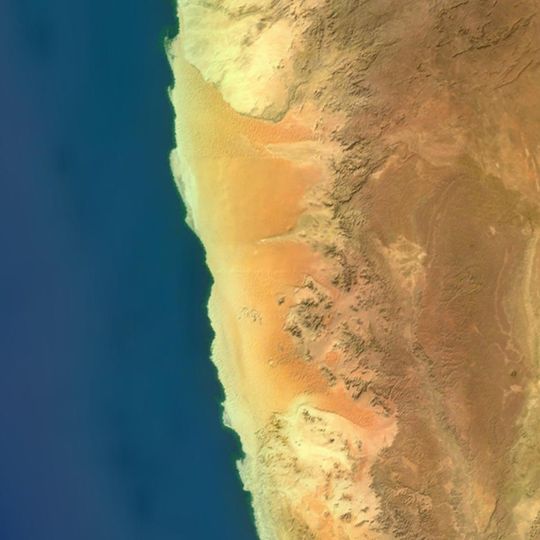
The Namib is a desert in southwestern Africa that stretches along the Atlantic coast from Angola through Namibia into South Africa. Broad gravel plains alternate with sand dunes that glow in shades of ochre to red and shift color as the day progresses.
The desert formed around 55 million years ago through the interplay of ocean currents and continental shifts that kept moisture away from this coastal strip. European explorers reached the coast in the 15th century, but the extreme dryness prevented permanent settlement for a long time.
The Topnaar people harvest the !Nara melon, a desert plant with deep roots that has provided food and income in this dry landscape for centuries. Oryx antelope roam the dune fields, moving in an ancient rhythm that follows water sources and patches of grazing.
Access is usually through the Namib-Naukluft protected area, where paved roads lead to the best-known dune fields and campgrounds are available for multi-day stays. Morning hours work best for walking, as temperatures remain bearable and the light brings out the sand formations clearly.
The cold Benguela Current brings dense coastal fog that drifts deep into the desert and supplies beetles, lizards, and plants with moisture they would otherwise never see. Some beetle species have evolved bodies that collect fog droplets and channel them directly into their mouths.
The community of curious travelers
AroundUs brings together thousands of curated places, local tips, and hidden gems, enriched daily by 91,658 contributors worldwide.