Kruger National Park, National park in Mpumalanga and Limpopo, South Africa.
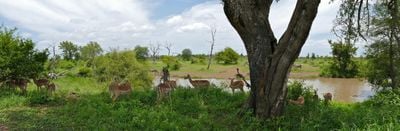
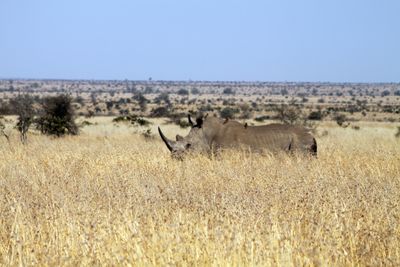
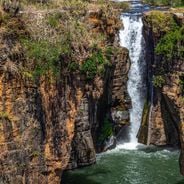
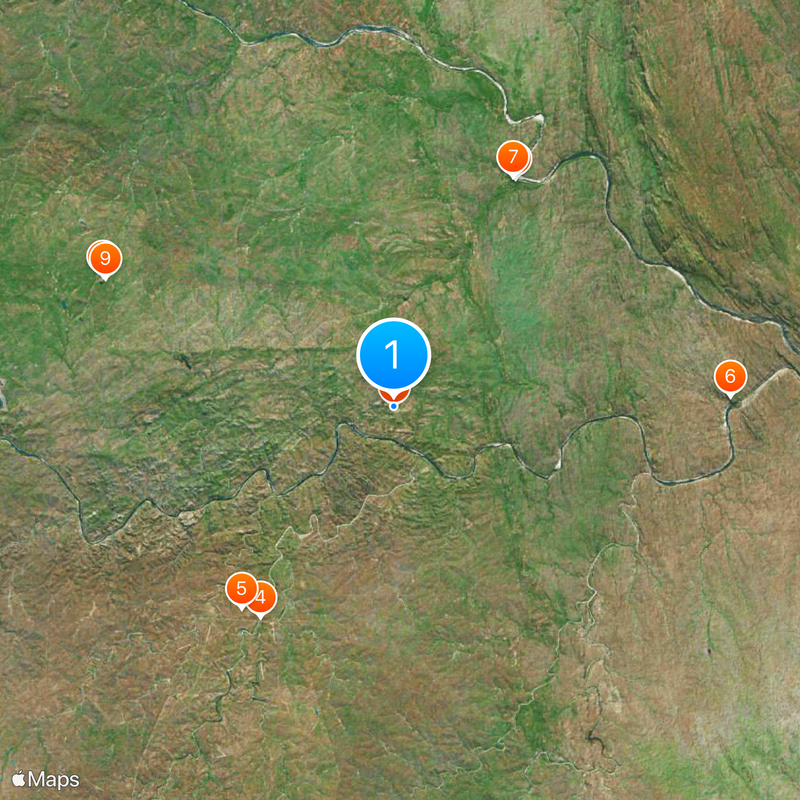
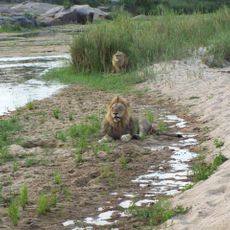
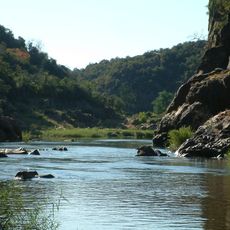
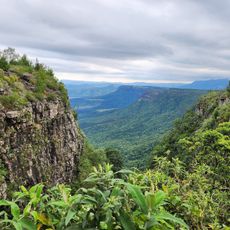
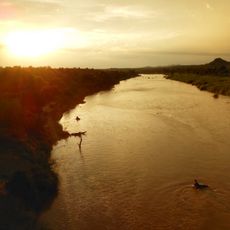
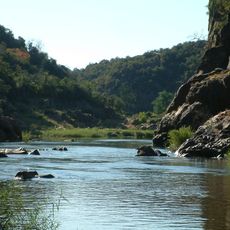
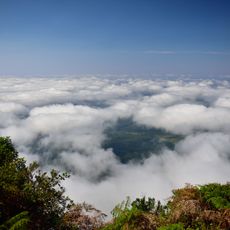
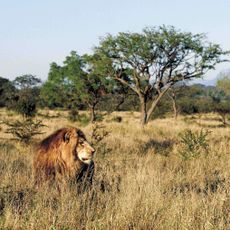
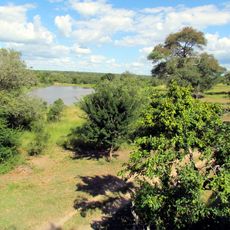
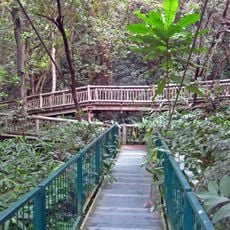
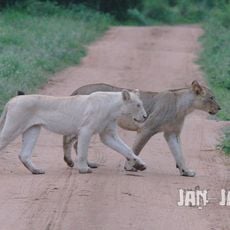
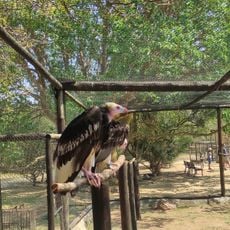
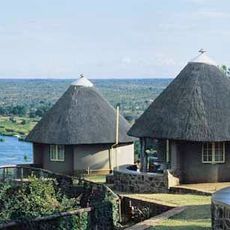
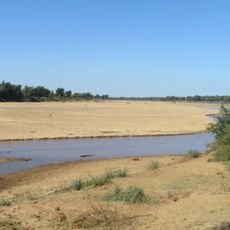
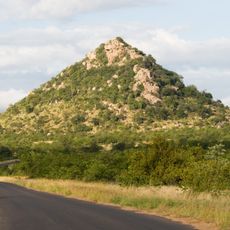
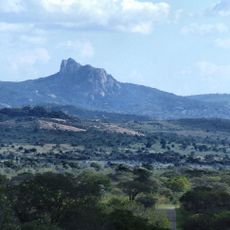
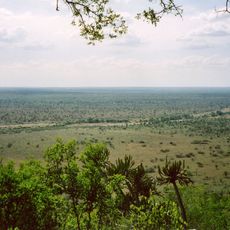
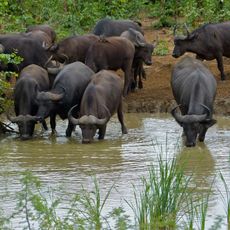
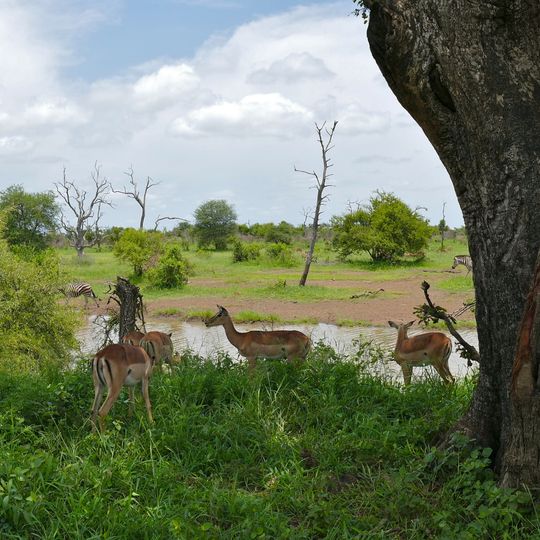
Kruger National Park stretches over approximately 19,485 square kilometers (about 7,523 square miles) and takes in grasslands, savannas, and woodland areas along several rivers. The landscape shifts between open plains, thick bushland, and green riverbanks that provide habitat for a wide range of mammals, birds, and reptiles.
The protected area was established in 1898 as the Sabi Game Reserve to curb poaching and safeguard threatened animal populations. In 1926 it gained national park status and was named after the president who had championed its creation.
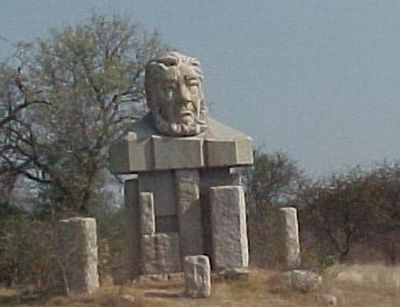
The reserve takes its name from South African president Paul Kruger, who championed wildlife protection and set in motion a shift in how people thought about nature. Today visitors experience African wildlife in a space that brings together people from many backgrounds and demonstrates how conservation can work.
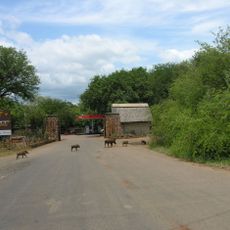
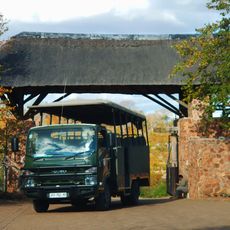
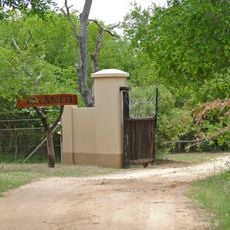
Several entrance gates provide access to the reserve, with some gates closer to certain landscape types than others. Self-drivers should plan to be on the road early in the morning or late in the afternoon when animals are more active and the heat eases.
In the southern section of the reserve, giant baobab trees grow that are several centuries old and serve as landmarks for visitors. Some of these trees have hollow trunks that were once used as shelter or storage space.
The community of curious travelers
AroundUs brings together thousands of curated places, local tips, and hidden gems, enriched daily by 90,866 contributors worldwide.