Ethnographic Museum, Cultural museum in Mbazi, Rwanda
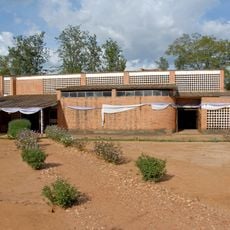
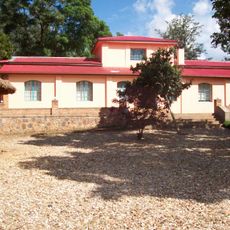
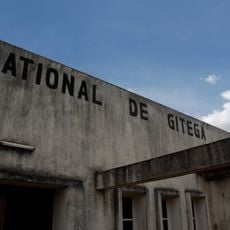
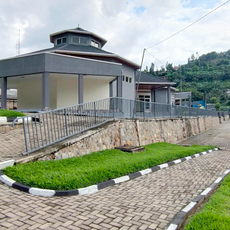
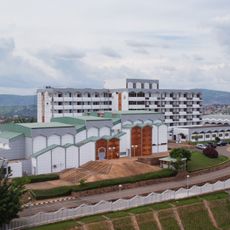
The Ethnographic Museum, formerly the National Museum of Rwanda, stands in Huye (Butare), 132 km south of Kigali. Built in 1987 with Belgian government support and opened in 1989, it is one of eight museums of the Institute of National Museums of Rwanda. Its seven galleries display ethnographic, historical, artistic and archaeological collections.
The museum was built with the help of the Belgian government and first opened in 1989. It is one of eight museums making up Rwanda's Institute of National Museums, and its headquarters is in Huye, 132 km south of Kigali. During the 1994 genocide against the Tutsi, Queen Dowager Rosalie Gicanda and several others were murdered at this site.
The display sections here represent different aspects of Rwandan society, from farming methods and cattle herding to traditional dress and building techniques. Objects come from various regions and periods, showing how local practices varied across the country.
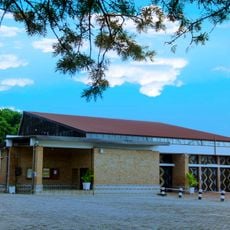
The museum stands at the Institute of National Museums of Rwanda headquarters in Huye, about 132 km south of Kigali. Its seven exhibition courtyards cover history, ethnic groups, art and archaeology, with guides available on site. The building was constructed in 1987 and first opened in 1989.
The museum grounds are also the site where Queen Dowager Rosalie Gicanda and several others were murdered during the 1994 genocide against the Tutsi. The building itself was constructed in 1987, two years before it first opened to the public in 1989.
The community of curious travelers
AroundUs brings together thousands of curated places, local tips, and hidden gems, enriched daily by 93,136 contributors worldwide.