Zahamena National Park, National park in eastern Alaotra-Mangoro region, Madagascar
Zahamena National Park protects 423 km² of eastern Madagascar rainforest, split into eastern and western blocks by a corridor of settled villages. Elevations run from 254 to 1,560 m, with lowland evergreen canopy 15–20 m high and montane forest above. The Sahatavy and Sarondrina rivers drain its valleys; the integral reserve core is closed to visitors.
The area was first set up as a nature reserve in 1927 and became a national park in 1997. It gained World Heritage status in 2007 because of its ecological importance.
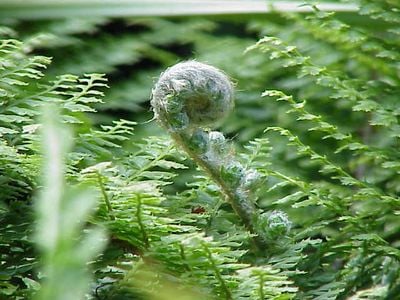
The park's name comes from the Malagasy word zahamena, and the forest is home to the Betsimisaraka and Sihanaka peoples. The Madagascar red owl is called vorondolomena locally, and the tree fern Marattia boivinii is known as kobila. Villages sit in the corridor dividing the park's eastern and western zones.
Visitors need a four-wheel drive vehicle to reach the park since the roads are unpaved and muddy during wet weather. The best time to visit is during the dry months when the roads are more passable and hiking is easier.
The park is home to more than a dozen lemur species, most found nowhere else in the world. These rare animals are the result of millions of years of isolation on the island of Madagascar.
The community of curious travelers
AroundUs brings together thousands of curated places, local tips, and hidden gems, enriched daily by 93,097 contributors worldwide.