Geography of Mayotte, Volcanic island department in northern Mozambique Channel, France.
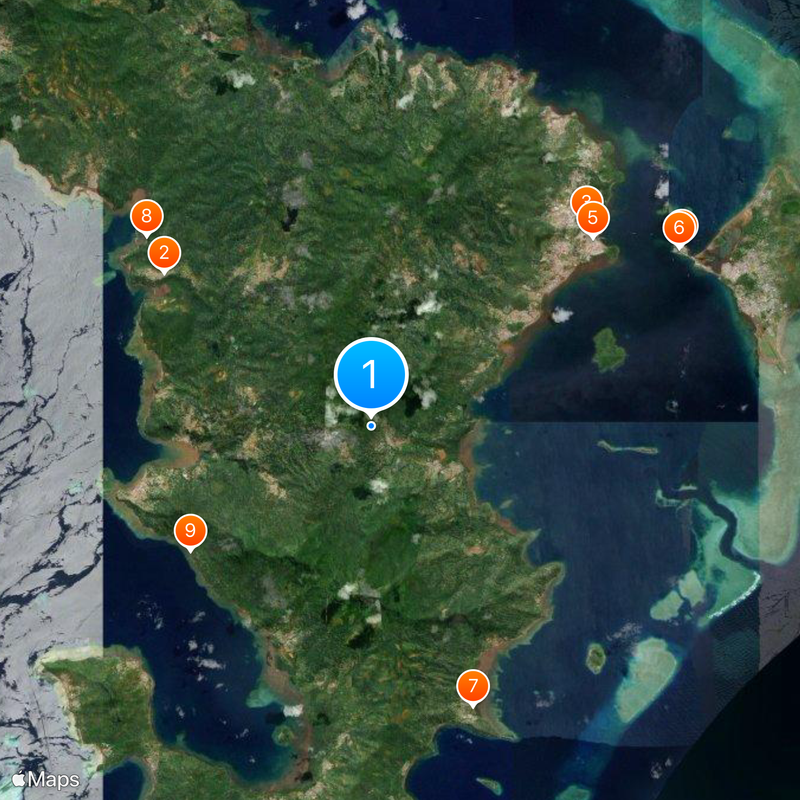
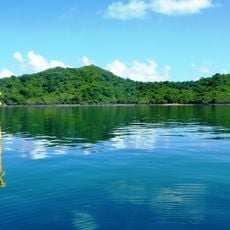
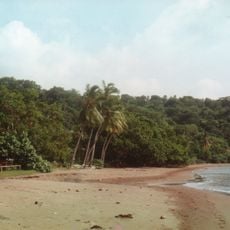
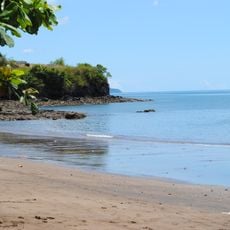
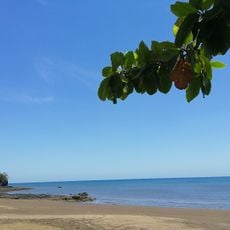
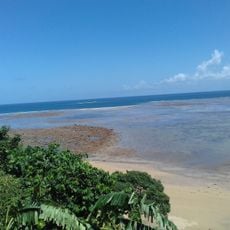
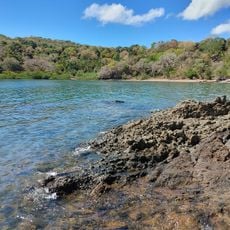
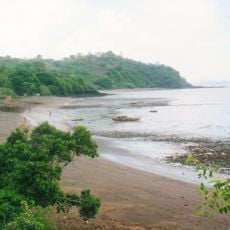
Mayotte is an island territory in the northern Mozambique Channel consisting of two main islands, Grande-Terre and Petite-Terre, surrounded by a large coral reef. The entire area spans several hundred square kilometers with mountainous terrain and numerous bays.
The territory formed millions of years ago through volcanic activity and is the oldest landmass in the Comoros archipelago. This geological history continues to shape the landscape today with volcanic features and pronounced elevation changes.
The territory is shaped by three main languages: French as the official language, alongside Shimaore and Kibushi, reflecting its position between African and French influences. This linguistic variety is evident in daily life and defines the identity of those who live here.
The climate divides into two seasons: a hot, wet period from November to May with cyclone risk, and a cooler, drier period from May to November. Visitors should plan accordingly and prepare for humid conditions during the rainy season.
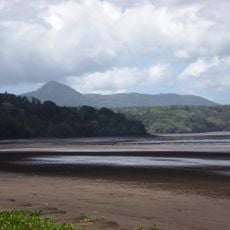
Mount Benara is the highest peak and rises steeply from the terrain, while deep ravines and volcanic peaks create an irregular, craggy pattern across the islands. This dramatic topography makes the landscape particularly striking for hikers and nature enthusiasts.
The community of curious travelers
AroundUs brings together thousands of curated places, local tips, and hidden gems, enriched daily by 91,639 contributors worldwide.