Gull Rock National Park, Nature reserve in Albany, Australia
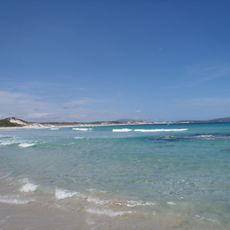
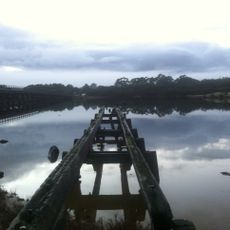
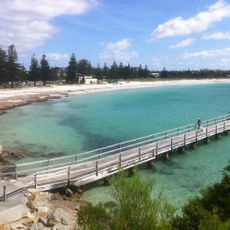
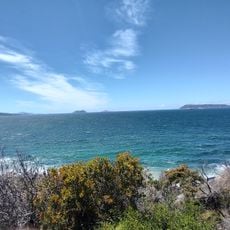
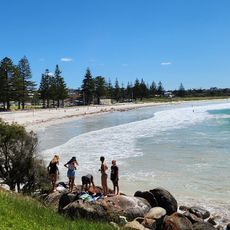
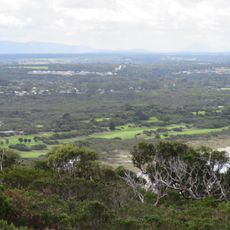
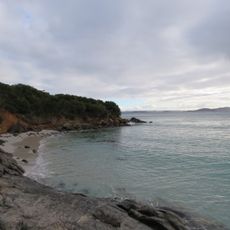
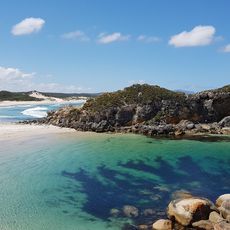
Gull Rock National Park is a 2,593-hectare national park established in 2006, 25 km east of Albany. It protects granite headlands such as Mount Taylor and Mount Martin, separated by sandy beaches, lakes and interdunal wetlands, with a patchwork of banksia woodland, sheoak forest, sedgeland and coastal heath.
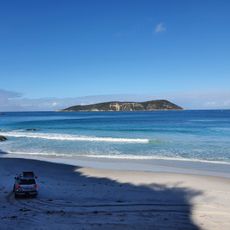
Gull Rock National Park was established in 2006 as Western Australia's 97th national park, covering about 2,593 hectares. The park protects an almost unspoilt example of the coastal east Kalgan vegetation system, with granite headlands, sandy beaches, lakes and interdunal wetlands. Its name comes from a small island off Ledge Beach that is not part of the park.
The park's name comes from Gull Rock, a small island about 600 metres offshore that is not part of the park. The Noongar name of the nearby town, Kinjarling, means "place of rain". The scarlet banksia, Banksia coccinea, has the most significant remaining stands in the region here, though Phytophthora dieback threatens them.
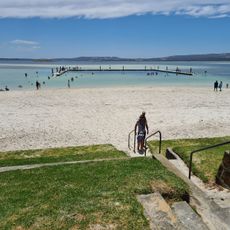
Access is from Gull Rock Road, which runs east from Albany past the park's northern farmland edge; the park lies about 25 km east of the city. Ledge Beach and Boiler Bay at its eastern end give the main walking access to the granite headlands and Mount Taylor. The Mount Martin Botanical Reserve borders the western boundary, and Two Peoples Bay Nature Reserve is about 10 km further east.
The park is named after Gull Rock, a small island about 600 metres offshore that is not part of the park itself. The island sits off Ledge Beach, whose eastern end is Boiler Bay. The park's granite headlands include Mount Taylor and Mount Martin, both part of the Gardner Landform unit.
The community of curious travelers
AroundUs brings together thousands of curated places, local tips, and hidden gems, enriched daily by 94,443 contributors worldwide.