Cape Leeuwin Waterwheel, Heritage waterwheel at Cape Leeuwin, Australia.
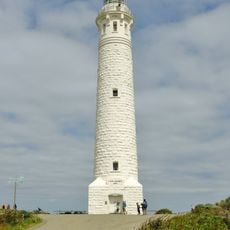
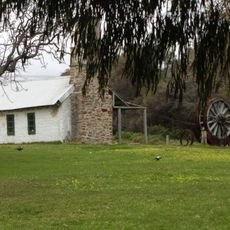
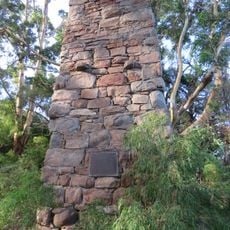
Cape Leeuwin Waterwheel is a stone structure from the 1800s standing near the lighthouse at Cape Leeuwin, built to move water using natural forces. The mechanism demonstrates how early settlers used water power to accomplish practical tasks at this remote southwestern location.
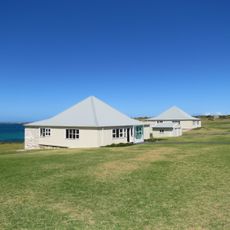
The wheel was built in 1895 by Maurice Davies and John Wishart, the partnership constructing the Cape Leeuwin lighthouse, to pump water from a spring about 330 metres away. The piped water first made mortar for the lighthouse and later supplied the keepers' cottages. It ran until about 1936, was replaced by a windmill, and was heritage-listed in 2002.
By the late 1920s the wheel had become a minor tourist attraction; one visitor wrote that it ran for 30 years with "no strikes or labor agitation" and called it "the next thing to perpetual motion." The spring feeding it is calcium rich, and the deposits that stopped it turning also kept it intact.
The site is accessible daily and features informational signs explaining how the wheel operated mechanically. It is recommended to wear sturdy footwear since the ground is rocky and paths can be rough.
Over the years, constant water flow has left chalky deposits on the structure that have partially mineralized the wheel itself. This natural process transformed the feature into a living example of how the environment itself shaped and altered the monument.
The community of curious travelers
AroundUs brings together thousands of curated places, local tips, and hidden gems, enriched daily by 93,437 contributors worldwide.