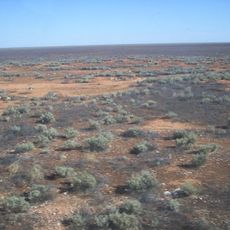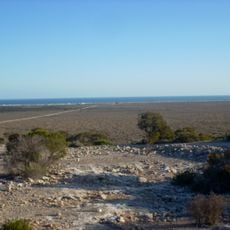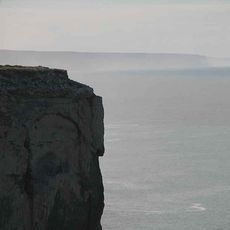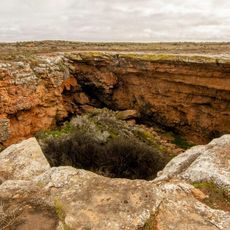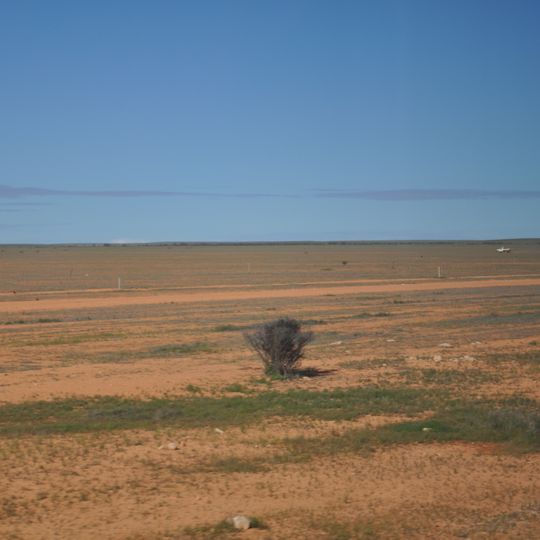
Nullabor Plain, Limestone plateau in South and Western Australia.
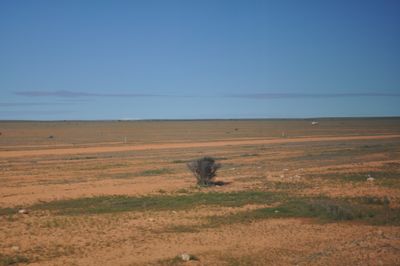
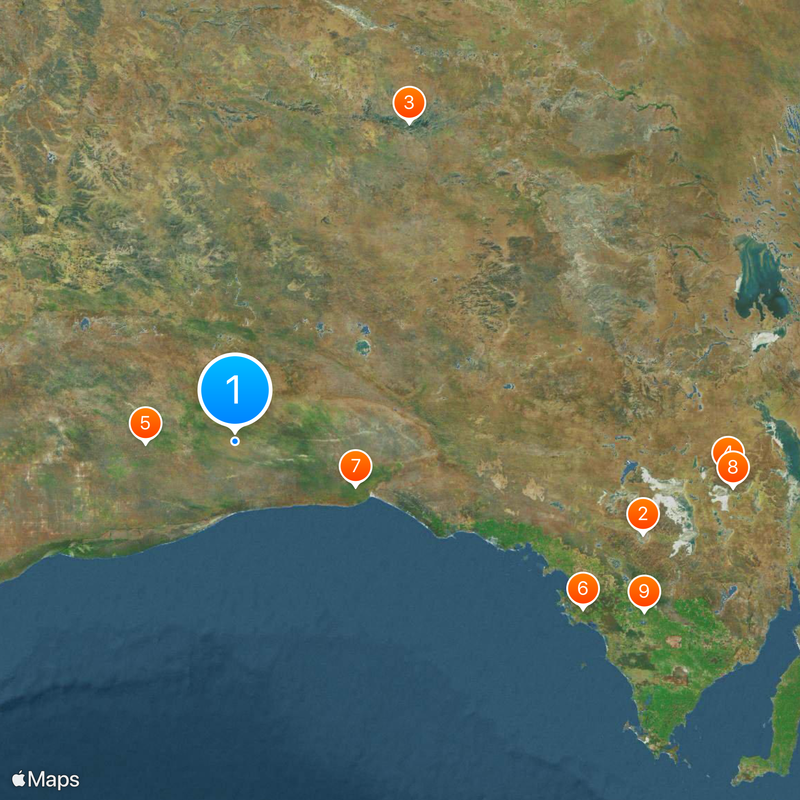
The Nullarbor Plain stretches 650 kilometers from Ooldea into Western Australia and forms a vast limestone surface covering 260,000 square kilometers at roughly 180 meters elevation. This flat expanse is one of the largest continuous limestone plateaus on Earth and extends almost uninterrupted through two Australian states.
Edward John Eyre crossed the Nullarbor Plain in 1841 as the first documented European and struggled with extreme water scarcity and limited provisions. His expedition laid the groundwork for later routes and transport links that now connect the two coasts of Australia.
The Mirning clans and Yinyila people traditionally named this region Oondiri, meaning waterless, and established seasonal settlements distributed across the entire territory. Their connection to this harsh land remains visible today through ancient pathways and sites scattered across the plain, where travelers occasionally encounter traces of this centuries-long presence.
The sealed Eyre Highway connects Norseman with Port Augusta and crosses the entire plain, with travelers advised to carry extra fuel, water, and food supplies. Distances between the few service stations and rest stops can reach several hundred kilometers, making careful planning before the crossing important.
The Trans-Australian Railway runs through the plain and features the longest straight railway section in the world at 478 kilometers. This lengthy section without curves arose from the simple necessity of crossing the flat limestone landscape without major detours.
The community of curious travelers
AroundUs brings together thousands of curated places, local tips, and hidden gems, enriched daily by 92,712 contributors worldwide.