Alcoota, Paleontological site in Central Desert Region, Australia
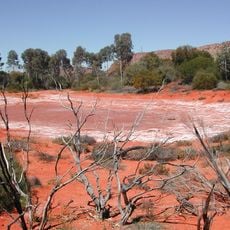
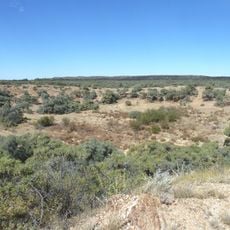
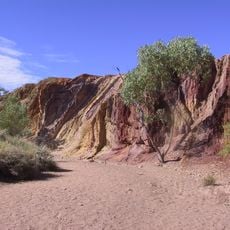
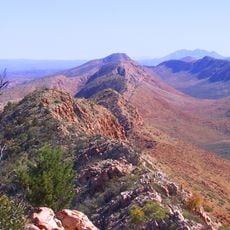
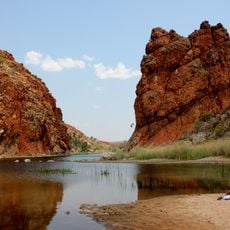
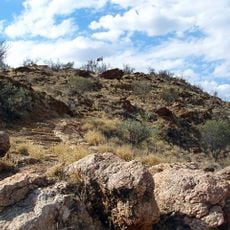
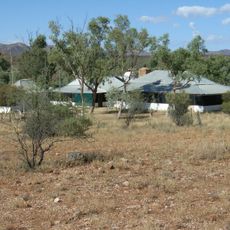
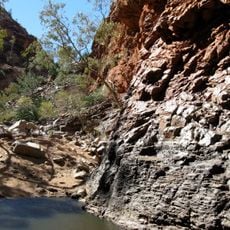
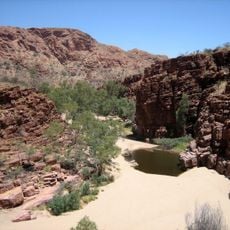
Alcoota is a paleontological site on Alcoota Station in the locality of Anmatjere, about 115 kilometres north-east of Alice Springs. Its fossil deposit is a series of bone-bearing lenses on a single horizon, each roughly 1 m across and extending for 170 m, within a basin of intermittently interconnected lakes. The 48.88-hectare area was fenced and given a permanent field station in 1988.
Scientists began studying the site in 1962, with systematic excavations starting in 1984 led by the local museum institution. This long-term research effort has revealed important details about the animals that lived in this region long ago.
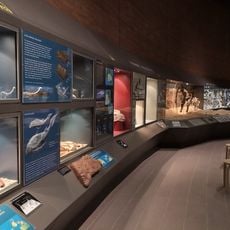
The Alcoota Local Fauna includes Dromornis stirtoni, one of the largest birds that ever lived, and the wolf-sized Thylacinus potens. The site also holds the greatest variety of Diprotodontidae species ever described, among them Kolopsis torus and Plaisiodon centralis. These fossils record a complex community of marsupials, birds and crocodiles from about 8 million years ago.
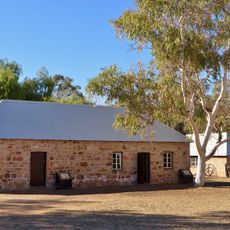
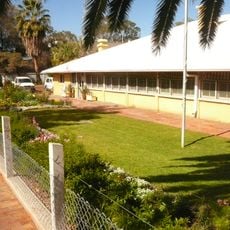
The area is fenced and has a field station to protect the fossils and support research activities. Visitors should be aware that this is an active research location, so access and viewing times may be restricted.
The fossils here are packed so densely together that scientists must carefully extract each piece without damaging surrounding bones. This extraordinary concentration makes the site one of the richest bone beds of its kind in the world.
The community of curious travelers
AroundUs brings together thousands of curated places, local tips, and hidden gems, enriched daily by 94,124 contributors worldwide.