Boxhole crater, Meteorite impact site near Alice Springs, Australia.
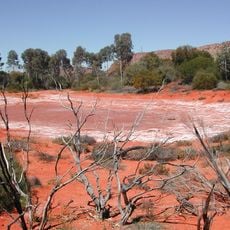
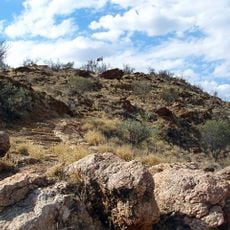
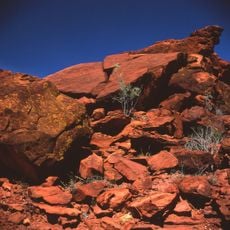
Boxhole crater is a 170-metre-wide impact crater about 180 km north-east of Alice Springs. Its rim rises 3 to 5 metres above the surrounding plain and the floor lies about 9 metres below the rim. The asymmetric ejecta blanket extends over 300 metres to the south, indicating a meteorite travelling from north to south at a shallow angle. A single eucalyptus grows on the crater floor.
The crater was discovered in 1937 by shearer Joe Webb and geologist Cecil Madigan. Their initial examination revealed metallic fragments containing nickel scattered in the depression.
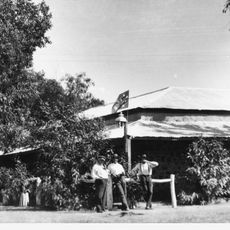
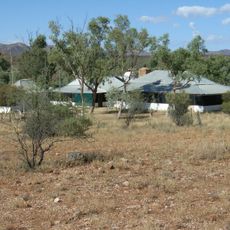
The crater lies on Boxhole sheep station, named after the station's boxhole, a hollowed water source for livestock. Shearers and station workers have crossed this plain since the 1930s, and the crater rim remains a landmark on the property. Visitors can still see the low ring of the rim rising 3 to 5 metres above the surrounding plain.
Boxhole crater lies about 180 km (265 km by road) north-east of Alice Springs, not north of it. The final approach is on unsealed station tracks, so a four-wheel-drive vehicle is needed. The crater is exposed at the surface and its rim stands 3 to 5 m above the surrounding plain.
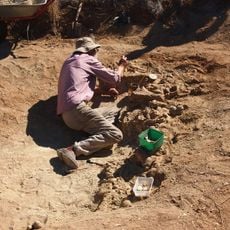
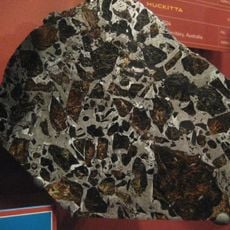
An 82-kilogram iron mass from this location now sits in the Natural History Museum in London. The recovery shows how pieces of the meteorite scattered across the ground after impact.
The community of curious travelers
AroundUs brings together thousands of curated places, local tips, and hidden gems, enriched daily by 93,150 contributors worldwide.