Batavia, Former colonial capital in Jakarta, Indonesia
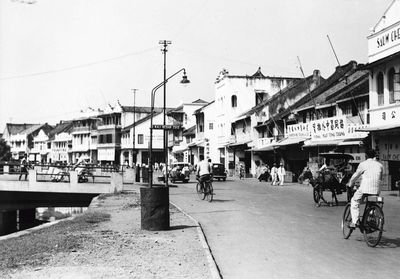
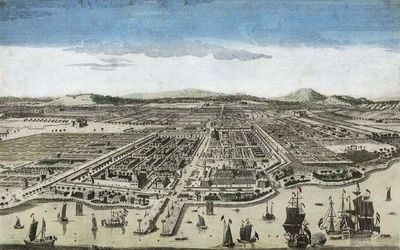
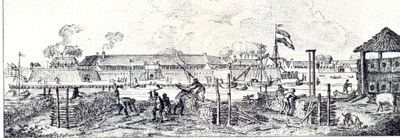
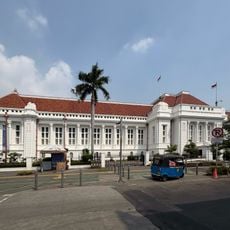
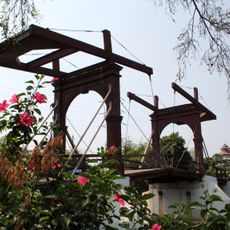
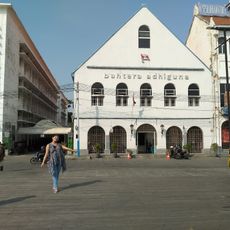
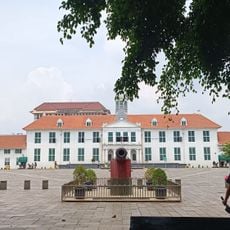
Batavia was a fortified harbor settlement on the northern coast of Java that served as the administrative and trading center of an overseas colony. The complex extended over several square kilometers and combined European urban planning with tropical conditions through a system of waterways and defensive structures.
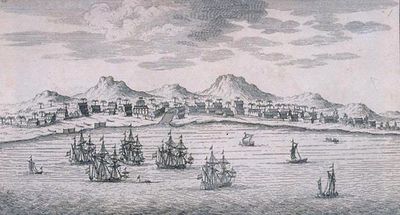
In the early 17th century, Dutch merchants built a new town on the site of a local settlement that became the main base for their trading operations in Asia. Over two centuries, the place grew into a major port until the administration passed to an independent government in the mid-20th century.
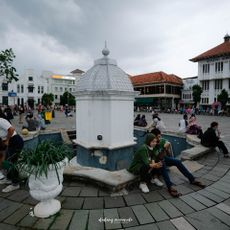
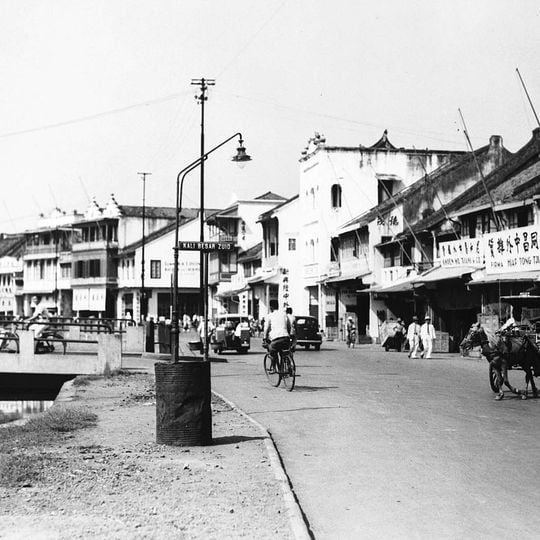
The settlement formed separate quarters for different communities, with Europeans living in elevated residential areas and traders conducting business along the canals. On the waterfront, people worked in warehouses and markets, while ships brought goods daily from Indonesian islands and distant trade routes.
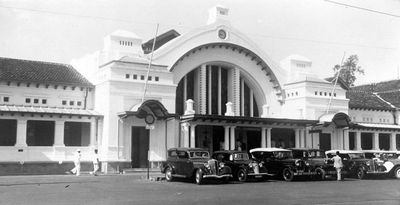
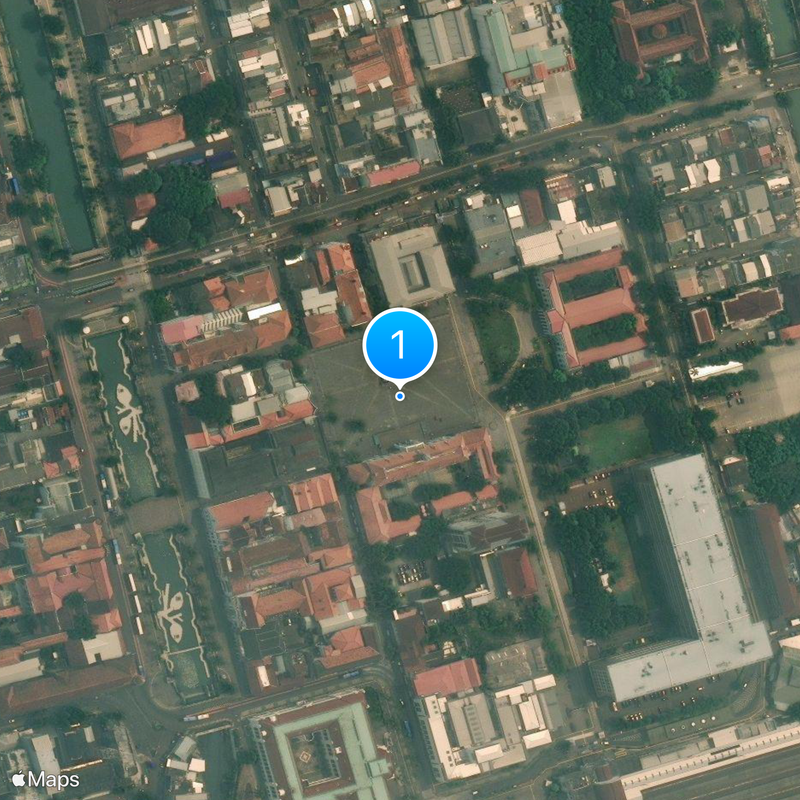
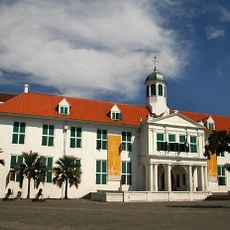
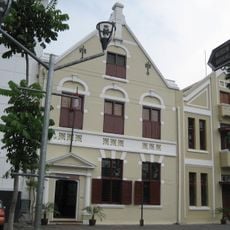
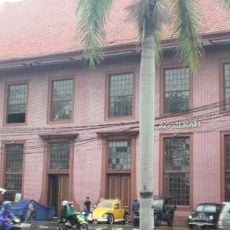
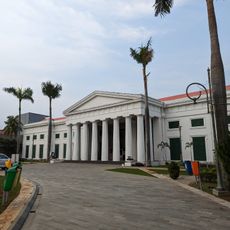
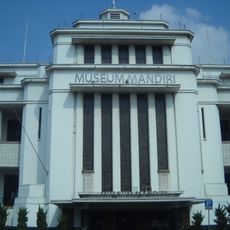
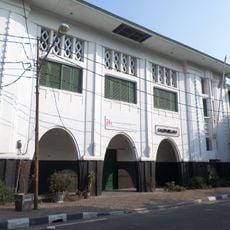
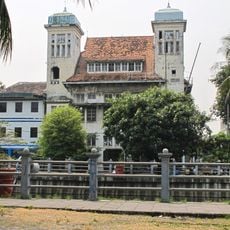
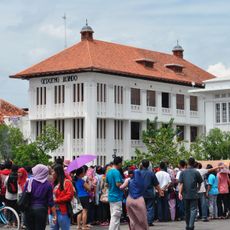
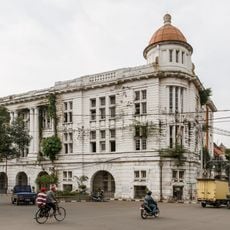
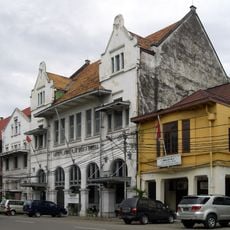
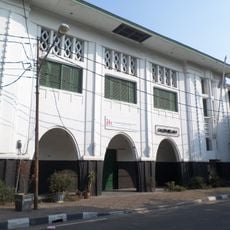
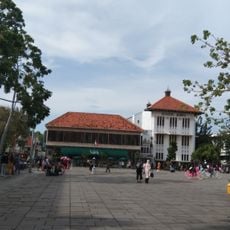
The historic town center can be explored on foot, with several preserved buildings now serving as museums. The streets and squares can be demanding in the heat, so early morning or late afternoon visits are advisable.
The original name refers to a Germanic tribe from the Rhine region that the founders considered their mythical ancestors. This unusual naming choice symbolically connected a tropical island town with the distant river landscapes of northern Europe.
The community of curious travelers
AroundUs brings together thousands of curated places, local tips, and hidden gems, enriched daily by 91,694 contributors worldwide.