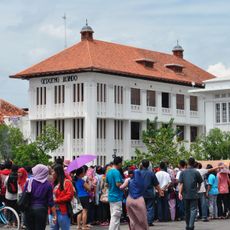
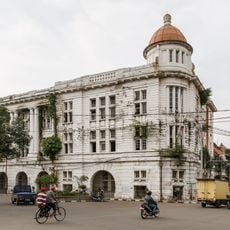
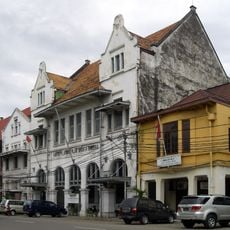
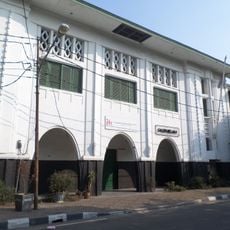
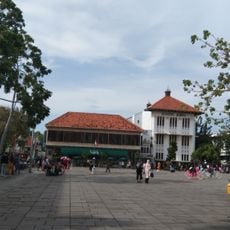
Hoenderpasar Bridge, bridge in Indonesia
Kota Intan Bridge is a hanging bridge over the Kali Besar in Kota Tua, Jakarta. It has a double-leaf bascule mechanism: the two halves of the deck swing upward to let vessels pass. The wooden structure was replaced with steel, and the bridge was revitalized before the 2018 Asian Games.
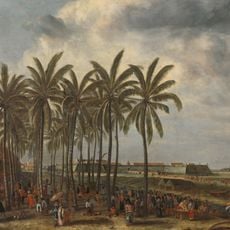
Built in 1628 by the Dutch East India Company as Engelse Brug, the bridge was damaged in 1628-1629 during attacks by Banten and Mataram troops. The VOC rebuilt it in 1630 as Hoenderpasarbrug, after the chicken market across the water. A flood destroyed the wooden structure, and in 1655 it was rebuilt in stone as De Middelpunt Brug, the form still standing. It was later renamed Jembatan Kota Intan after the nearby Diamond bastion of Batavia Castle.
Locals call it Jembatan Gantung, the hanging bridge, and its double leaf once swung upward to let ships pass. The name Hoenderpasarbrug recalls the chicken market that stood across the water for Batavia's residents. It now sits at the end of the Diamond bastion of Batavia Castle, in the Kota Tua area managed by the city's tourism and culture department.
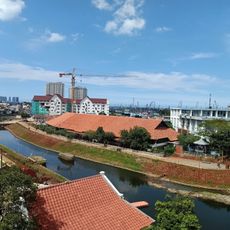
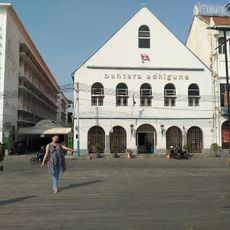
The bridge carries pedestrian and vehicle traffic over Kali Besar in Kota Tua, West Jakarta. It stands near the old customs office, visible to the north from the deck. The deck is now steel in place of the original timber, and the central section was once raised for boats heading upstream on the Ciliwung.
During the reign of Queen Juliana, the bridge received repairs and was temporarily renamed in her honor before being called Jembatan Kota Intan. This episode reflects how colonial connections influenced the naming of local structures across different historical periods.
The community of curious travelers
AroundUs brings together thousands of curated places, local tips, and hidden gems, enriched daily by 93,283 contributors worldwide.