Wayang Museum, Puppetry museum in Kota Tua, West Jakarta, Indonesia
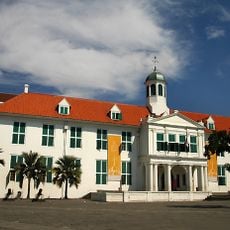
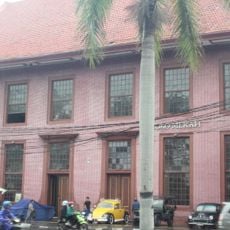
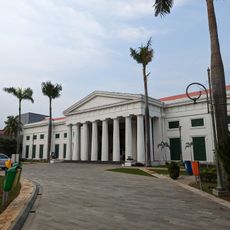
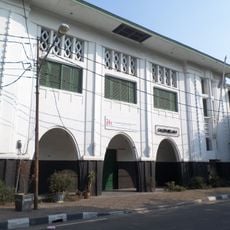
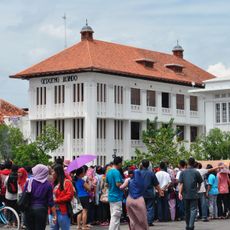
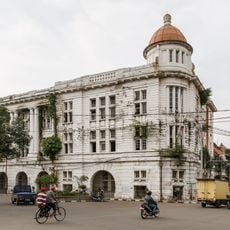
Wayang Museum is a puppet museum in West Jakarta, Indonesia, displaying thousands of figures made from wood, leather, and cloth in glass cases. The rooms extend across multiple floors and group the objects by regional origin and crafting technique.
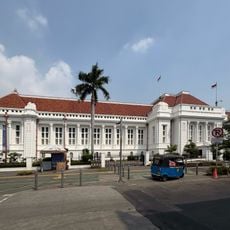
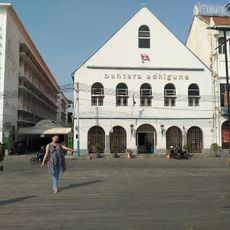
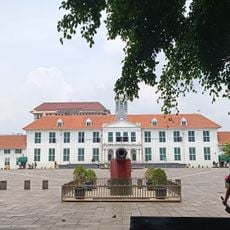
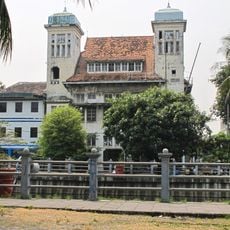
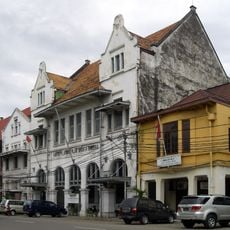
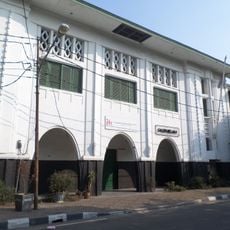
The building stands on the site of the Old Dutch Church, built in 1640 and renamed the New Dutch Church after a 1732 renovation; an 1808 earthquake destroyed it. A Neo-Renaissance warehouse for Geo Wehry & Co. was built there in 1912, and from 1939 it housed the Old Batavia Museum. The Wayang Museum was inaugurated on 13 August 1975, after Jakarta mayor Ali Sadikin was impressed by the puppetry shown at Pekan Wayang II.
The museum displays wayang kulit from Palembang, Banjarmasin and Bali, including the Pandawa Lima with poleng cloth symbolising balance. Performances are held twice daily on the second and third Sundays of each month. On 7 November 2003 the UN recognised Indonesian wayang as a world heritage worth preserving.
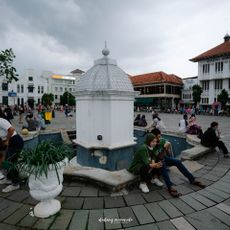
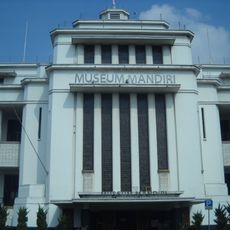
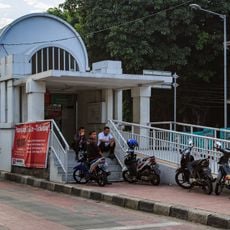
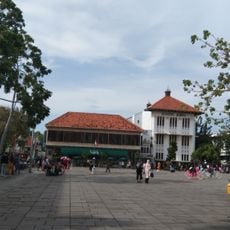
The museum faces Fatahillah Square in Kota Tua, at Jalan Pintu Besar Utara No. 27 in West Jakarta. Since 24 January 2025 a ramp gives wheelchair users access to the second-floor immersive room. Free entry is offered to people with disabilities, the elderly and Jakarta Pintar Card holders from Tuesday to Friday, excluding public holidays.
The museum garden occupies the former churchyard where Governor-General Jan Pieterszoon Coen was buried; a plate marking his tombstone is kept inside the building. The collection also holds dolls from Europe, Thailand, Suriname, China, Vietnam, India and Colombia.
The community of curious travelers
AroundUs brings together thousands of curated places, local tips, and hidden gems, enriched daily by 93,683 contributors worldwide.